Aspergillus Mould Outbreak at Sydney Hospital Claims Two Lives
A common mould known as Aspergillus has been identified as the cause of a deadly outbreak at one of Sydney's largest hospitals, resulting in two fatalities and leaving four other patients in a serious condition. Health authorities are currently investigating a cluster of fungal infections that occurred in the transplant unit of the Royal Prince Alfred Hospital between October and December 2025.
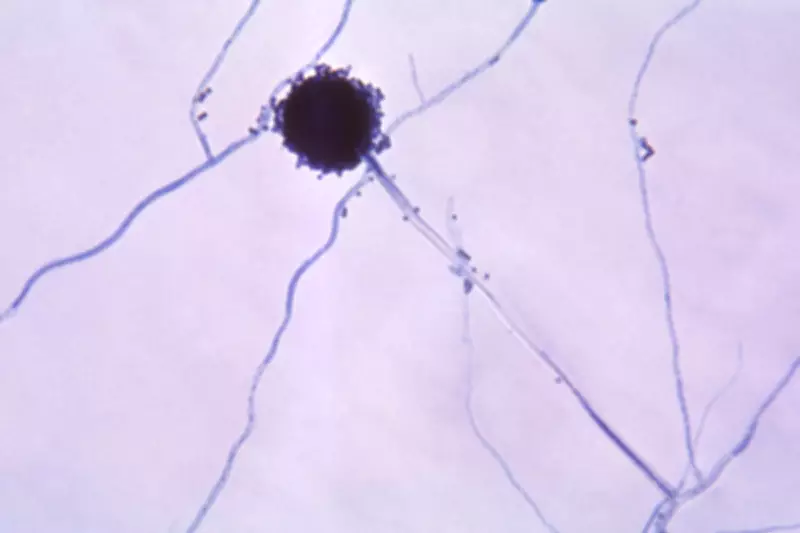
Aspergillus is a type of filamentous fungi commonly found in soil, plants, dust, and damp environments. While typically harmless to individuals with robust immune systems, it can lead to a severe respiratory disease called aspergillosis, which affects approximately 250,000 people globally. The mould produces airborne spores that, when inhaled, can infect the lungs and potentially spread to other organs such as the brain, kidneys, heart, or skin.
Vulnerable Populations and Symptoms
Those most at risk include individuals with weakened immune systems, such as patients undergoing chemotherapy, corticosteroid treatment, or organ and stem cell transplants. Transplant recipients are particularly susceptible because their immune systems are deliberately suppressed to prevent organ rejection, making it easier for Aspergillus spores to establish infections. Symptoms of an infection may include fever, cough, chest pain, difficulty breathing, and coughing up blood, with potential for skin and eye infections as well.

People with pre-existing lung conditions like asthma, cystic fibrosis, tuberculosis, influenza, or COVID-19 also face a higher risk of developing Aspergillus infections. A large study from the United States revealed that only 59% of organ transplant recipients and 25% of stem cell transplant patients survive one year after contracting invasive aspergillosis.
Treatment Challenges and Hospital Risks
Aspergillus infections can be treated with antifungal medications such as itraconazole and corticosteroids, especially when detected early. However, the emergence of drug-resistant strains poses a significant challenge, making antifungal resistance an urgent public health issue.
Although Aspergillus infections are relatively rare in hospitals due to the use of high-efficiency particulate air (HEPA) filters that remove harmful particles, construction activities can increase the risk. Disturbing soil near hospital sites may release large quantities of Aspergillus spores into the air. A hospital spokesperson suggested that nearby construction sites, part of a A$940 million redevelopment project, might have contributed to the outbreak at the Royal Prince Alfred Hospital, though this has not been confirmed.
Health authorities have not indicated whether dormant spores in patients' lungs were activated in this incident. The outbreak underscores the importance of stringent infection control measures during hospital renovations to protect vulnerable populations.