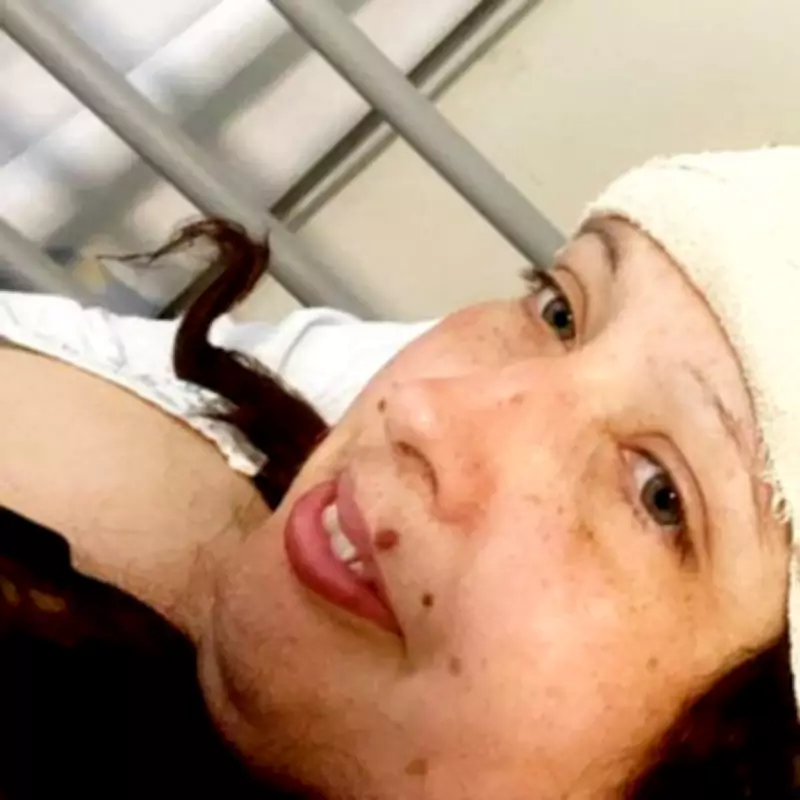
Mother's Brain Tumour Initially Dismissed as Moving Stress
Lizzie Pitt, a 46-year-old mother and art teacher from North Yorkshire, believed her sudden illness was simply the stress of relocating her family home. What began as symptoms she attributed to life's pressures quickly escalated into a devastating medical crisis that would change her life forever.
Sudden Collapse Leads to Hospitalisation
In February 2025, Lizzie's ten-year-old son Felix discovered his mother collapsed on the floor of their home, displaying unusual behaviour that initially seemed like a severe migraine or stress reaction. "I kept repeating how sick I felt," Lizzie recalled, explaining how she had dismissed her symptoms as consequences of juggling work, family responsibilities, and their recent house move.
The situation took a dramatic turn when Lizzie lost control of her legs during the night and discovered she had bitten through her tongue. An ambulance rushed her to Airedale Hospital in Yorkshire where scans revealed a brain tumour. Initially, doctors believed the growth was non-cancerous and scheduled surgery for August 2025.

Devastating Diagnosis After Surgical Intervention
Following two additional scans that showed the tumour becoming aggressive, Lizzie's operation was fast-tracked by four months. In April 2025, she underwent an awake craniotomy where surgeons removed the bulk of the growth. The procedure left her with temporary mobility issues, requiring four days of hospital recovery and two blood transfusions.
The true nature of her condition emerged in a heartbreaking phone call shortly after her surgery. Medical professionals informed Lizzie they had misdiagnosed her tumour, which was actually grade 4 glioblastoma - a terminal brain cancer. Doctors gave her six months to live without treatment, or twelve to eighteen months with intervention.
Navigating Treatment and Advocacy
"I felt utterly let down," Lizzie revealed about the diagnostic errors. Despite the devastating prognosis, the mother of two - to Rowan, 18, and Felix, 11 - resolved to educate herself about her condition and explore every available treatment option.
Lizzie commenced combined radiotherapy and chemotherapy at St James' Hospital in Leeds, with friends coordinating transportation for the ninety-mile round trips after she lost her driving licence. Through community donations to her GoFundMe appeal, she subsequently began electrical hyperthermia immunotherapy treatment in London under specialist supervision.
Living with Terminal Diagnosis
"I'm still the same Lizzie I was at the start of 2025, just living with an uninvited lodger," she said, describing how she maintains physical activity despite her diagnosis. Emotionally, however, the situation has transformed her family's life permanently.
"We can no longer plan ahead as we once did," Lizzie explained, adding that while she misses full-time work as an art teacher and special educational needs coordinator, she remains determined to see her children grow up. Her treatment journey continues with phase two chemotherapy alongside ongoing exploration of emerging options.
Raising Awareness for Brain Tumour Research
Lizzie now speaks publicly to champion Brain Tumour Research, a charity that has invested £2.6 million establishing a new Centre of Excellence at the University of Nottingham. The centre focuses on accelerating advances in glioblastoma treatment understanding and development.
"I want to share my story to raise awareness of the devastating impact a brain tumour diagnosis has on people and families every single day," Lizzie stated. "I've explored nutrition, integrated oncology, repurposed drugs, and emerging treatments, many of which are only accessible through private funding."
Ashley McWilliams, community development manager at Brain Tumour Research, emphasised the urgent need highlighted by Lizzie's experience: "Her story underscores the critical requirement for better diagnosis and more effective treatments for aggressive tumours like glioblastoma. Despite being one of the biggest cancer killers of children and adults under forty, brain tumours remain chronically underfunded."

The charity stresses that greater investment in research and expanded access to innovative clinical trials could prevent patients from facing the impossible choice of fundraising privately for potential treatments. The Nottingham Centre of Excellence represents a vital step toward improving understanding of glioblastoma recurrence and accelerating new treatment development.