Dangerous Cancer-Linked Chemicals Discovered in Hair Extensions
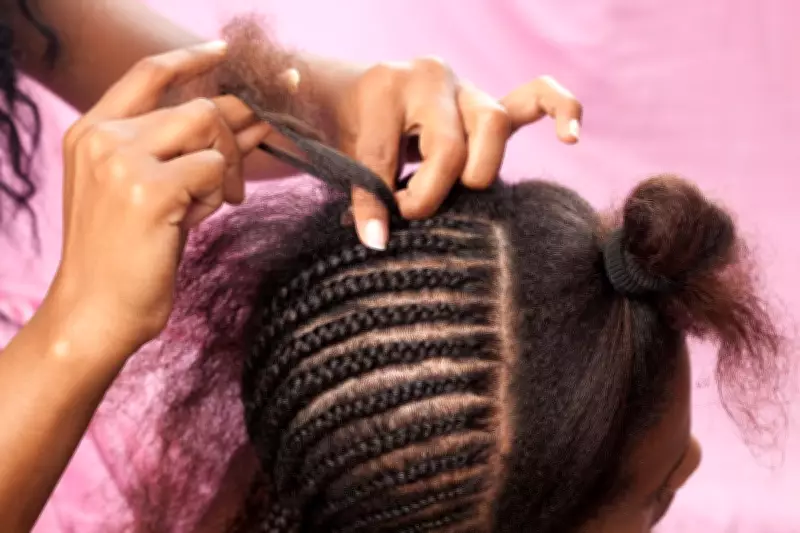
Scientists have uncovered dozens of hazardous chemicals in hair extensions, with many substances directly linked to cancer development and hormone disruption. Research indicates that Black women face particularly high exposure to these risks, sparking urgent calls for regulatory intervention from government agencies and corporate responsibility from manufacturers.
Black Women 'Overexposed' to Chemical Dangers
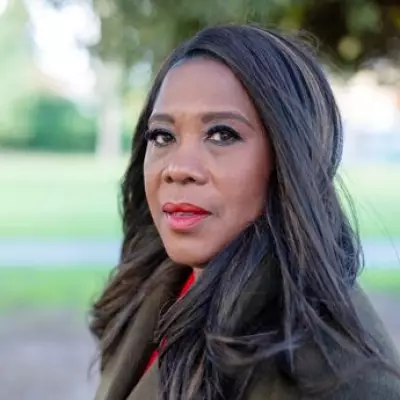
Both human and synthetic hair extensions undergo frequent chemical treatments for cleaning purposes and flame resistance enhancement. However, Dr Elissia Franklin, a research scientist at Massachusetts' Silent Spring Institute, highlights a critical transparency gap. "Companies rarely disclose the chemicals used to achieve these properties," she explains, "leaving consumers completely unaware of the significant health risks associated with prolonged wear."
This lack of disclosure creates particular concern for Black women, who Dr Franklin notes have been historically overlooked by the industry. "This is an industry that has long disregarded the health of Black women," she states, "who should never face the impossible choice between cultural expression, convenience, and their physical wellbeing."

Extensive Testing Reveals Widespread Contamination
For their comprehensive study, Dr Franklin's research team examined 43 different hair extension products sourced from online retailers and local shops. The tested items included extensions made from human hair alongside products containing synthetic materials such as Kanekalon, Aquatex, Spetra and Mastermix.
Among the samples, 19 synthetic products claimed flame retardant properties, three advertised water resistance, nine promoted heat resistance, and three specifically marketed themselves as "no PVC" or "non-toxic" alternatives.
"While previous reports have identified some concerning chemicals in hair extensions," Dr Franklin clarifies, "significant gaps remain in our understanding of their complete chemical composition. We aimed to develop a clearer picture of the problem's true extent."
Alarming Chemical Discoveries
Researchers employed sophisticated screening techniques that detected 900 distinct chemical signatures across the tested products. Using machine learning algorithms to match these signatures against established chemical libraries, they identified 169 specific chemicals.
The findings revealed that all but two samples contained hazardous substances, with 36 samples containing 17 different chemicals linked to breast cancer development. Particularly concerning was the discovery that nearly 10 percent of samples contained toxic organotins—chemicals primarily used as biocides, pesticides, and PVC plastic stabilisers that face strict regulation in both the United Kingdom and European Union.
"We were especially surprised by this discovery," Dr Franklin admits. "These chemicals commonly serve as heat stabilisers in PVC and have established connections to skin irritation, which represents a frequent complaint among regular hair extension users."
Industry Experts Demand Greater Transparency
Jacky van Driel-Nguene, a consultant trichologist based in the Netherlands who serves as chief executive of Trichology Europe, identifies transparency as a fundamental concern. "A key issue is the complete lack of ingredient transparency in hair extension products," she asserts. "Unlike numerous cosmetic products, these materials typically provide minimal or no information about chemical treatments or additives."
This information vacuum creates significant challenges for both professionals and consumers. "This makes it exceptionally difficult for professionals to properly advise their clients," van Driel-Nguene continues, "and for consumers to make informed decisions about products that remain in direct contact with their scalps for extended periods. Enhanced disclosure and improved safety oversight would substantially benefit both consumer protection and scalp health outcomes."

Campaigners Call for Regulatory Action
A spokesperson for the campaign group Level Up emphasizes that this research validates long-standing concerns within Black communities. "This new research on the dangers of braiding hair only reinforces what Black women have been expressing for years," they state. "From hair relaxers to braiding hair, we face disproportionate exposure to cancer-causing endocrine disrupting chemicals."
Over the past five years, Level Up has compiled growing evidence from global medical and academic institutions linking dangerous chemicals in hair relaxers and braiding hair to serious health conditions including cancer, kidney failure, and fibroids. "This evidence should be more than sufficient to prompt immediate action from regulators, corporations, and government agencies," the spokesperson insists.
"Black women and our children deserve to trust that the products we use—whether purchased from small beauty businesses or multinational corporations—will not jeopardize our health. That fundamental expectation drives Level Up's campaign to eliminate toxic chemicals from hair relaxers and our call for government implementation and enforcement of stronger cosmetic safety regulations."
The complete research findings have been published in the American Chemical Society journal Environment & Health, adding scientific weight to calls for industry reform and consumer protection measures.