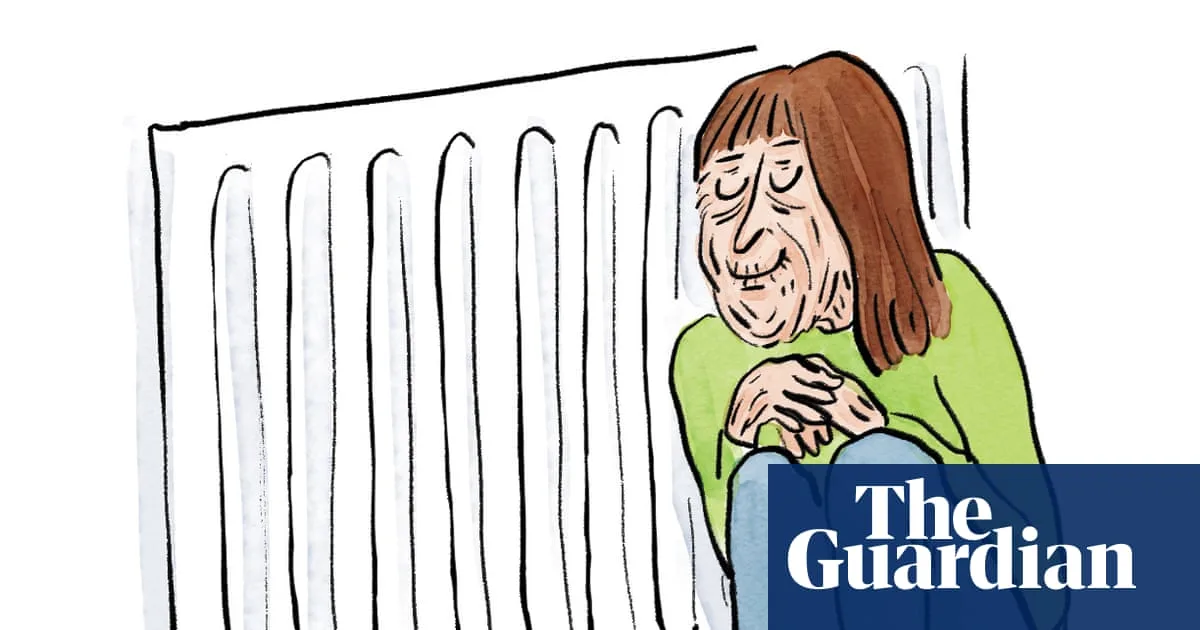
Central Heating's Impact on Skin: Dermatologist Explains Winter Risks
Central Heating and Skin: Winter Dermatology Risks Explained

Is it true that central heating is detrimental to your skin? According to consultant dermatologist Dr Emma Craythorne, the answer leans toward affirmation, though with important nuances. Human skin has evolved with a protective barrier designed to retain moisture, but this barrier is not entirely impermeable. Water continuously moves across the skin's surface, influenced by the humidity of the surrounding environment.

The Ideal Humidity for Skin Comfort

Skin typically feels most comfortable at a relative humidity of approximately 40%. When the air becomes drier than this threshold, water is more prone to escape from the skin. This process is not merely a matter of dryness; it triggers a mild inflammatory reaction. As Dr Craythorne explains, "The skin becomes drier. Your blood vessels become a little bit more dilated, making skin look red. Cytokines are stirred up, which are little proteins that set off more inflammatory reactions but also irritate our nerve endings. Things might feel more itchy."

Central Heating as a Culprit

Central heating can exacerbate these issues by creating a warm yet extremely dry indoor environment, particularly if it operates at high temperatures throughout the day without adequate ventilation. However, Dr Craythorne notes that central heating is not the sole factor contributing to skin irritation during winter months. Cold outdoor air naturally holds less moisture, making it even more drying, and wind compounds the problem by accelerating the evaporation of both water and the skin's natural oils.

Wide Pickt banner — collaborative shopping lists app for Telegram, phone mockup with grocery list

Susceptibility and Individual Differences

Some individuals are more vulnerable to these effects than others. Those with pre-existing conditions such as eczema or rosacea may experience heightened sensitivity. Dr Craythorne emphasises that understanding these dynamics is crucial for effective skincare management in colder seasons.

Practical Solutions for Winter Skincare

To mitigate skin irritation, Dr Craythorne recommends several strategies:

  • Adjust central heating settings to maintain a cooler indoor temperature.
  • Utilise a humidifier to increase moisture levels in the air.
  • Adopt gentle skincare practices, avoiding harsh soaps and opting for creamy, soap-free cleansers.
  • Apply a fragrance-free moisturising cream that contains occlusives to slow water loss, along with ingredients like ceramides and glycerin to support the skin barrier and attract moisture.

She likens this approach to "putting a little blanket on your skin for the winter," providing essential protection against the harsh elements. By implementing these measures, individuals can better manage skin health during periods of low humidity and cold weather.

Pickt after-article banner — collaborative shopping lists app with family illustration