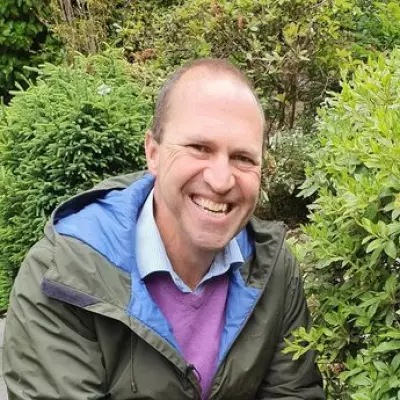
Rose Biggs, a thirty-five-year-old mother from Dartford in Kent, experienced what she believed were simple tension headaches in the fortnight leading up to Christmas. Attributing the discomfort to the typical stresses of festive planning, she initially dismissed the symptoms. However, the pain intensified dramatically while she was working as a beautician on New Year's Eve, compelling her to seek urgent medical advice from her general practitioner.
From Optician Visit to Life-Altering Diagnosis
Concerned about her deteriorating eyesight, Rose also scheduled an appointment with an optician, suspecting she might require glasses. During the examination, the optician detected unusual pressure behind her eyes, prompting immediate concern. This discovery led to a referral for further tests at Darent Valley Hospital.
Rose spent a night sleeping in a hospital corridor alongside her husband, Sam, while awaiting a critical MRI scan. The results delivered a devastating blow: doctors identified two lesions on her brain, confirming a diagnosis of cancer. Tragically, this was not a new primary cancer but a metastasis from her previous breast cancer, which had now progressed to stage four.

A History of Cancer Battles
Rose's journey with cancer began in December 2022 when she discovered a lump in her breast during a bath. Subsequent tests confirmed breast cancer, leading to a lumpectomy followed by gruelling chemotherapy and radiotherapy treatments. She achieved remission after losing most of her hair and enduring severe illness.
Unfortunately, the cancer returned in January of the following year, necessitating a mastectomy in October and additional chemotherapy rounds. Rose had believed she was in the clear after these aggressive treatments, making the brain metastasis diagnosis particularly shocking.
Surgical Intervention and Ongoing Treatment
Doctors performed surgery at The Royal London Hospital on January 27 to remove a five-centimetre tumour located at the back of Rose's head. A smaller four-millimetre tumour on her temple could not be surgically removed, so she is scheduled to begin radiotherapy imminently to target this remaining growth.
Despite the severity of her condition, medical professionals remain cautiously optimistic. "Even though it is stage four, I found it really early so they are positive that I will live for a long time," Rose explained. "Which is nice to hear because obviously you do think the worst."
Maintaining Positivity for Her Family
The diagnosis has created an incredibly challenging period for Rose, her husband Sam, and their two children, aged seven and ten. Rose is determined to maintain a positive outlook for her family's sake. "You just have to be positive otherwise I will crumble and I can't because I have got two kids," she stated. "I don't want to live my life like that. It is the cards that I have been dealt, unfortunately."
Reflecting on her initial breast cancer diagnosis at age thirty-two, Rose noted the unpredictable nature of the disease. "When I was diagnosed with breast cancer I was shocked, I couldn't believe it really. I was only 32 and I had no family history of it. I am quite fit and healthy, but I don't think cancer really cares about that or your age."
Family Support and Fundraising Efforts
Sam Biggs, Rose's thirty-seven-year-old husband who owns a scaffolding firm, has launched a fundraising campaign in tribute to his wife, whom he describes as a "warrior." He is organising a team of twelve to undertake the demanding Three Peaks Challenge, scaling Ben Nevis, Scafell Pike, and Snowdon to raise money for Cancer Research UK.
The fundraising effort has already surpassed thirteen thousand pounds in donations, with ten thousand pounds raised within just twenty-four hours from local supporters. "It is really overwhelming to see," Sam acknowledged.
Searching for Hope and Treatment Options
Sam, who met Rose fifteen years ago through mutual friends, is actively researching alternative treatments both domestically and internationally. "I am trying to be positive and research alternative treatments," he said. "I would go to the other side of the world to get her treatment if it meant prolonging her life or helping her survive."

He acknowledged the mental toll the situation has taken on their family. "It has been very difficult. We have got two children, so it has been very tough mentally. They know what is going on just not the extent and how dangerous it is." Sam added, "It has been a difficult three years. I drive myself mental with it. I can't rest until I can help her and hopefully get her healthy again."
The family's story highlights the unpredictable nature of cancer and the importance of thorough medical investigation when symptoms persist, even when they initially appear benign or stress-related.