Growing Push for Separate 'Profound Autism' Diagnosis to Address High Support Needs
As the definition of autism spectrum disorder has expanded significantly in recent years, a contentious debate is emerging over whether to establish a distinct diagnosis for individuals with profound autism, who require constant and lifelong care. This movement aims to ensure that this vulnerable group receives the tailored support, services, and research attention they desperately need, but it has sparked concerns about potential stigmatization and a shift in focus away from the broader autism community.
Advocates Highlight Critical Gaps in Care and Research
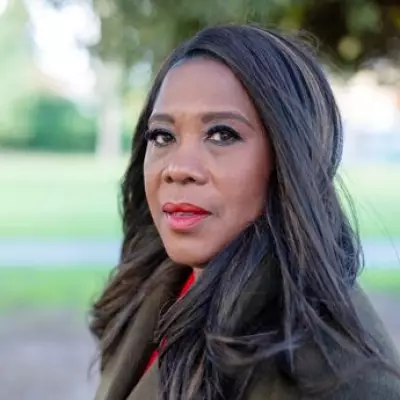
Judith Ursitti, president of the Profound Autism Alliance, argues that people with profound autism currently face a severe shortage of appropriate treatments, adequate support, and trained providers capable of managing their intensive care requirements. She emphasizes that the vast majority of clinical research excludes this population, creating a dangerous cycle where lack of data leads to insufficient interventions. "If you don't have research, you won't have treatments. You won't have achievable services and supports," said Ursitti, whose adult son has profound autism. "There are people across the spectrum who have high support needs that are intermittent. The difference with our population is they're constant."
Rising Autism Rates and Shifting Focus
Autism rates have been climbing for decades, driven in part by broader diagnostic criteria and increased awareness, which have paradoxically diverted attention from those with round-the-clock needs. The current autism spectrum disorder diagnosis encompasses a wide range of individuals, including many with low support needs, while most newly diagnosed cases are relatively mild. Compounding this issue, unproven and debunked claims about autism causes, promoted by some political figures, are muddying efforts to understand the condition and spreading misinformation that threatens public health, even as funding for research increases.

Defining Profound Autism and Historical Context
In the United States, an estimated 1 in 31 children has autism spectrum disorder, with researchers suggesting around a quarter may have "profound autism." This term, introduced in 2021 by the Lancet Commission, describes individuals who need constant lifelong care, exhibit a certain level of intellectual disability, and are nonverbal or minimally verbal. Historically, such cases might have been diagnosed under autistic disorder, one of five subtypes within pervasive developmental disorders, but the American Psychiatric Association consolidated these into a single autism spectrum disorder diagnosis in 2013.
Concerns Over Stigma and Unified Advocacy
Some members of the autism community express worries that creating a separate profound autism diagnosis could reduce attention on the broader spectrum and the diverse needs of all autistic individuals. Dena Gassner, an autistic senior research scientist at Drexel University and mother of an autistic adult with moderate support needs, cautioned against labeling. "I struggle with the idea of assigning someone the label of profound autism. It could be stigmatizing," she said. Gassner stressed that the core issue is not autism itself but "the massive lack of supports and services" in society, advocating for a unified approach to services across the entire spectrum.
Call for Elevated Awareness Regardless of Diagnosis
Andy Shih, chief science officer for Autism Speaks, noted that regardless of where people stand on the profound autism debate, "there's absolutely no doubt that we need to elevate awareness about the needs of this group." This sentiment underscores the urgency of addressing the care gaps while navigating the complexities of diagnosis and identity within the autism community.