Medical Expert Sheds Light on Common Skin Condition Causing Itchy Bumps
If you have noticed "little tiny bumps" appearing on your hands or feet, there is no need for alarm. A medical professional has confirmed that this condition is relatively common and, fortunately, effective treatments are readily available.
Understanding Dyshidrotic Eczema
Dr. Rubin, MD, who shares medical insights on TikTok under the handle @rubin_allergy, has provided detailed recommendations, while the NHS offers clear guidance on when to seek medical attention. He cautions that his advice is for general educational purposes only and not specific medical advice.
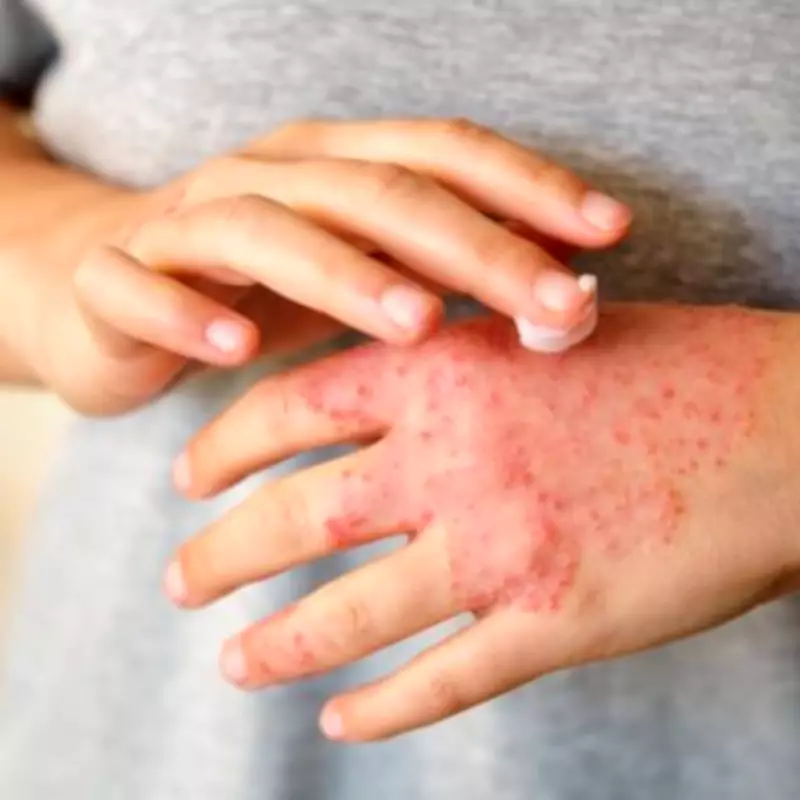
Dr. Rubin explains that if you have a rash characterised by "little tiny bumps that look like fluid-filled blisters on your hands or feet" which are "intensely itchy," you may be experiencing dyshidrotic eczema, also known as pompholyx.

The medical expert states: "This rash typically begins in early adulthood and often recurs at intervals of about every three to four weeks in response to emotional or physical stress. However, the underlying mechanism remains poorly understood."
NHS Guidance and When to Consult a GP
Pompholyx is a form of eczema that specifically affects the hands or feet. Although it is usually a chronic condition, various treatment options can effectively manage the symptoms.
The NHS advises that you should see a GP if:
- You suspect you have pompholyx.
- You have pompholyx and the blisters become very painful, leak yellow or green pus, or develop a yellow-brown crust, as these are signs of infection.
- You notice any other changes to your skin that cause concern.
It is crucial not to burst the blisters. While the exact cause of pompholyx is not fully understood, several factors are believed to trigger symptoms in some individuals.
Common Triggers and Preventive Measures
Potential triggers include:
- Contact with strong chemicals such as soaps, cleansers, and detergents.
- Allergies or sensitivities to certain metals, like nickel or cobalt.
- Frequent wetting of the hands, common in professions like hairdressing.
- Stress.
- Heat and excessive sweating.
To help manage and prevent flare-ups, Dr. Rubin suggests the following steps:
- Wash hands without jewellery, using a fragrance-free, gentle cleanser.
- Pat hands dry thoroughly.
- Apply a heavy cream or ointment afterwards to lock in moisture.
- Moisturise regularly throughout the day.
The expert further recommends: "You may also consider wearing cotton gloves with non-latex gloves over them if you engage in a lot of wet work, such as gardening or jobs requiring frequent hand washing."
Treatment Options and Community Experiences
Dr. Rubin concludes: "If you are struggling with this condition, it is advisable to consult your doctor, as they may prescribe various therapies. Examples include high-potency topical steroids, calcineurin inhibitors, JAK inhibitors, and biologics."
In online discussions, many individuals have shared their personal experiences with these annoying bumps. One person commented: "I get them mostly when I am overheating, particularly during the summer months."
Another warned: "Also, consider getting checked for celiac disease. This type of rash, often misdiagnosed as eczema, was my primary symptom."
A third shared: "I remember having this on my feet as a young child. My mother applied ointment and wrapped my feet in cling film every night. I recall it recurring around the age of 13 or 14, when I would scratch my feet on the carpet."