Health authorities in Western Australia have confirmed at least four individuals have been diagnosed with the potentially deadly meningococcal B disease. The cases, which occurred across December 2025 and January, are not believed to be connected, according to official statements from WA Health.
Details of the Confirmed Cases
WA Health has provided specific timing for these concerning diagnoses. Two of the patients were confirmed to have contracted meningococcal B in December 2025, with a further two cases identified in the following month of January. The department has been quick to reassure the public that there is no identified link between these four separate instances of the disease.
Understanding Meningococcal Disease
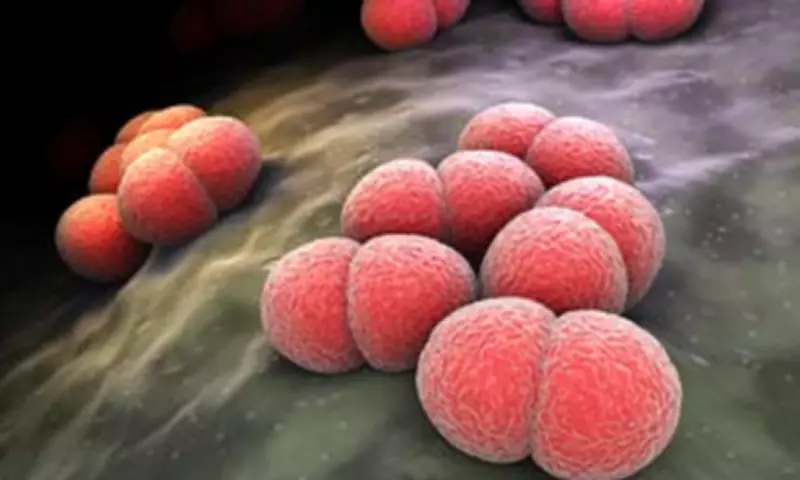
Meningococcal disease is a rare but severe and life-threatening illness caused by a bacterial infection. It primarily affects the bloodstream or the protective membranes lining the spinal cord and brain, known as meningitis. In some instances, the infection can manifest in other areas of the body, including the throat, lungs, or major joints.

The bacterium responsible, meningococcus, is known for its rapid onset and serious complications, making early detection and treatment critical for patient survival and recovery.
Health Department's Response and Monitoring
In response to these cases, WA Health has issued a statement clarifying that the four diagnoses do not, at this current stage, indicate a rise in overall case numbers for meningococcal B in the region. However, the situation is being treated with utmost seriousness.
The department has emphasised its ongoing commitment to closely monitoring the disease's activity. This includes surveillance of infection rates and public health communications to ensure community awareness and preparedness.
Health officials continue to stress the importance of recognising symptoms early, which can include sudden fever, headache, stiff neck, nausea, vomiting, sensitivity to light, and in some cases, a distinctive rash. Immediate medical attention is crucial if meningococcal disease is suspected.
Further updates and detailed public health advice are expected as the monitoring continues.