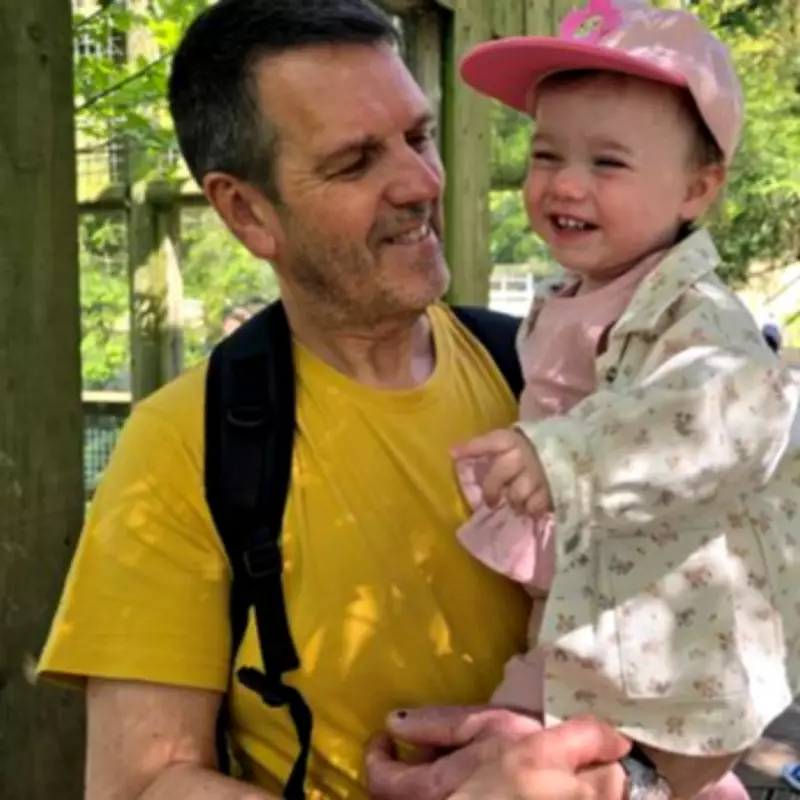
A grandfather who dismissed his persistent headaches and fatigue as symptoms of sleep apnoea has been diagnosed with an aggressive and incurable form of brain cancer. Andrew Hayes, aged 61, began experiencing headaches in June 2025, with his family initially attributing them to sleep-related issues or migraines.
From Headaches to a Devastating Diagnosis
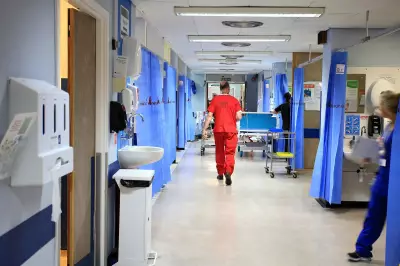
When the head pain intensified to a severe level, Andrew visited Queen's Medical Centre in Nottingham in July 2025. A CT scan conducted at the hospital revealed the presence of a brain tumour, shocking both him and his loved ones. Further investigation through an MRI scan led medical professionals to suspect a glioma, prompting immediate surgical intervention.
Surgery and Treatment Journey
Andrew underwent brain surgery to debulk the tumour, with surgeons successfully removing the majority of the growth while leaving a small portion behind. A week after the procedure, the family received the heartbreaking news that the tumour was a glioblastoma, known for its aggressive nature and lack of a cure.

His daughter, Kirsten Lowe, a 35-year-old finance manager from Nottingham, recounted the emotional turmoil. "The signs weren't obvious at first," she explained. "My mum, Lisa, and sister, Lily, noticed he seemed more tired than usual, and when the headaches started, we thought it was sleep apnoea or a migraine."
Life After Diagnosis
Following the diagnosis, Andrew embarked on a rigorous treatment plan, including six weeks of radiotherapy and chemotherapy at City Hospital in Nottingham. When this initial approach proved ineffective, he transitioned to a different type of chemotherapy and is currently awaiting scan results to assess its success.
The months since his diagnosis have brought significant challenges, including memory loss, increased fatigue, and a loss of independence. Andrew was compelled to surrender his driving licence and cease working, profoundly altering his daily life.
Family Resilience and Fundraising Efforts
Kirsten expressed the family's devastation, stating, "Sixty-one is no age to be living with terminal brain cancer. It has devastated our family, but it has also brought us closer together and reminded us how important it is to cherish every moment."
In response to her father's condition, Kirsten has channeled her grief into action by taking on the National Three Peaks Challenge. This fundraising endeavour aims to support critical research at the Brain Tumour Research Centre of Excellence at the University of Nottingham.
Hope Through Research
Scientists at the centre are employing advanced techniques, including artificial intelligence, sophisticated brain imaging, and genomic analysis, to enhance understanding of glioblastoma recurrence and accelerate the development of improved treatments.
"After Dad's diagnosis, I felt an overwhelming need to turn the fear and helplessness into something positive," Kirsten shared. "Climbing the three highest peaks in the UK feels symbolic of the emotional mountains we've had to climb as a family."
Community Support and Awareness
Ashley McWilliams, community development manager at Brain Tumour Research, praised Kirsten's efforts, saying, "We are incredibly grateful to Kirsten for taking on the National Three Peaks Challenge in support of her dad and the wider brain tumour community. Turning such a devastating diagnosis into something positive takes immense courage and determination."
McWilliams added, "Every step she takes up those mountains will help fund vital research into glioblastoma and bring us closer to better treatments and, ultimately, a cure. Supporters like Kirsten are the driving force behind our work, helping to give hope to families facing this disease."
Andrew's story underscores the importance of seeking medical attention for persistent symptoms, even when they may seem attributable to common conditions like sleep apnoea. His family's journey highlights both the profound impact of a glioblastoma diagnosis and the power of community-driven fundraising to advance medical research.