Government Cuts Private Health Rebates to Fund Free Aged Care Services
The federal government has announced a major policy shift, scrapping a Howard-era decision to increase private health insurance subsidies for Australians over 65. This move will redirect funds to provide free essential home care services for the elderly, such as assistance with showering and dressing.
Rebate Changes and Funding Reallocation
Currently, individuals aged 65 to 69 receive a 28 per cent rebate on their private health insurance premiums, while those over 70 get 32 per cent. In contrast, people under 65 only receive 24 per cent. Under the new changes, everyone will now receive the same 24 per cent rebate, regardless of age.
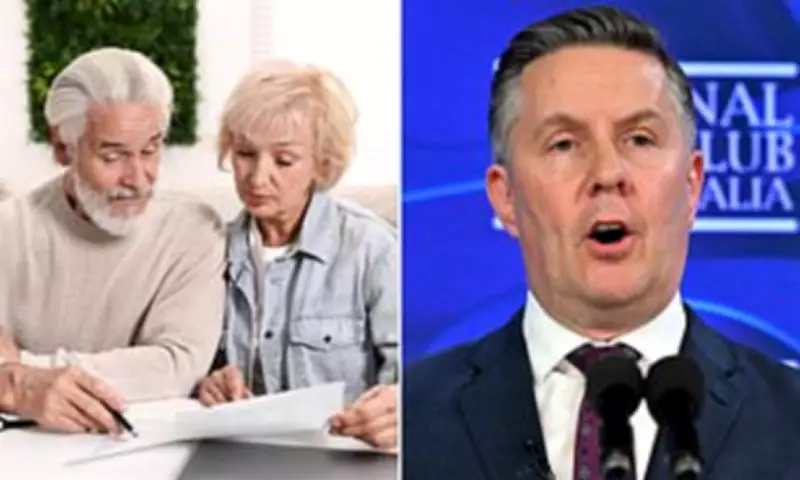
Health and Ageing Minister Mark Butler revealed this decision at the National Press Club on Wednesday, stating that the previous rebate scheme was "harder to defend" in 2026. He emphasized the need for fairness between generations and efficient use of taxpayer dollars.

"It means two households on the same income receive different levels of government support, based only on their age," Butler said. "That's simply not fair between generations, and it's simply not the best way to spend precious taxpayers' dollars on behalf of older Australians, when we need to do so much heavy lifting in aged care."
Reversal of Aged Care Fees
The government has backed down on a requirement introduced in November that required some aged care recipients to pay $50 per hour for support services. These fees, attached to services like help with showering under the Support at Home packages, forced some elderly residents to choose between different care options due to cost concerns.
Aged Care Minister Sam Rae acknowledged that the changes to the Support at Home packages were made in response to concerns from residents, families, and providers. "We said when the Aged Care Act commenced that we'd keep watching how the reforms landed and fix what needed fixing," he stated.
However, the reversal of these fees will not take effect until October, meaning out-of-pocket costs will still apply for several months. The government will fund the $1 billion required to make these support packages free by reversing the increased private health subsidies for over-65s.
Broader Reforms and Criticism
The changes are part of a broader $3 billion package that includes:
- An additional 5,000 aged care beds per year
- Extension of dementia supports, including 20 additional specialist dementia care units
These reforms stem from 2021 recommendations by a royal commission into aged care, which introduced more tiers of home care to better meet needs while requiring wealthier Australians to pay more for services.
Opposition aged care spokeswoman Anne Ruston criticized the rollout, calling it rushed. "Removing charges for personal care is the right outcome, but these are essential services that should never have been classified as anything less," she said. "Older Australians also deserve to know why the government is waiting until October to implement this change. How many will go without essential care in the meantime?"
Support from Advocacy Groups
Ageing Australia chief executive Tom Symondson welcomed the decision to scrap payments for showering assistance. "Sweeping reforms will always have unintended consequences, and we've been clear from the outset that charging contributions for showering needed to be kept under constant review to ensure the best possible outcomes for older people," he said.
He added, "Particularly alarming has been the increasing evidence that older people were reducing the number of showers they had or forgoing them altogether due to cost. That is the worst possible outcome."
Council on the Ageing Australia acting chief executive Corey Irlam echoed this sentiment, stating that basic care should never have come with a price tag. "This will make a real difference to older Australians who've had to choose whether they could afford a shower," he said. "It removes the price tag anxiety many older people have raised with their MPs and puts the focus back on the person and the care they need."