Warning Over Illegal Skin Lightening Creams on British High Streets
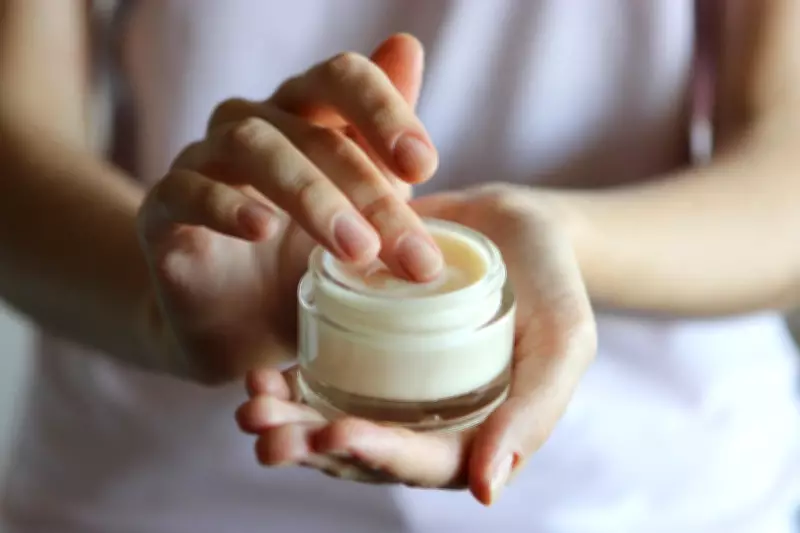
Creams marketed to lighten skin tone are being sold illegally on British high streets, including in butchers and specialist food shops. This unsettling discovery highlights a growing public health concern, driven by demand and significant profits. The ingredients that make these products effective are also what render them dangerous, with serious risks to consumers.
The Dangers of Banned Ingredients
Concern is mounting over products sold in the UK that contain prohibited substances. These include mercury, hydroquinone, and potent steroid drugs, all tightly controlled due to their hazards.
Mercury, sometimes called quicksilver, is a liquid metal that blocks an enzyme needed to produce melanin, making skin appear lighter. However, it is highly toxic, capable of damaging the skin directly and being absorbed into the body, harming the kidneys, liver, lungs, nerves, and brain.

Hydroquinone reduces melanin production in the skin's outer layer. In the UK, it is available only on prescription for conditions like melasma, a common facial pigmentation issue. Improper use can irritate the skin and cause long-term grey-blue discolouration known as ochronosis.
Steroid creams, particularly stronger forms, are prescription-only due to side-effects like skin thinning and bloodstream absorption. They can lighten skin quickly by narrowing blood vessels and affecting pigment-producing cells. Long-term use may lead to acne, stretch marks, diabetes, and osteoporosis, with increasing worries about topical steroid withdrawal.
Understanding Skin Pigmentation
Healthy human skin exhibits a wide range of diverse tones, which can change over time due to illness, hormones, sunlight, or ageing. Conditions like acne, eczema, and other inflammatory skin issues can result in hyperpigmentation (darkening) or hypopigmentation (lightening). Hormonal changes and scars can also permanently alter skin colour.
Often, the skin gradually returns to its natural tone, but this process can take months or even years. The desire to accelerate it has spurred the development of chemicals that reduce or block melanin, the pigment giving skin its colour.
Legal Alternatives and Consumer Awareness
Not all skin-lightening products are illegal. Some cosmetics are designed to gently reduce dark spots, containing antioxidants like vitamin C or niacinamide (a form of vitamin B3) to even out skin tone over time. Others include retinoids, such as retinol and retinal, which can gradually improve pigmentation.
Prescription-only retinoids, like tretinoin, are used by doctors for acne and pigment problems, but they can irritate the skin, potentially triggering further darkening known as post-inflammatory hyperpigmentation.
Under UK law, cosmetic products must list the manufacturer or importer, provide an address, and include a full ingredient list. Missing information should raise alarm bells. Enforcement action has been taken against retailers, yet illegal products continue to surface in seemingly safe and familiar places.
The Broader Social Impact
Demand for these products is real, often fueled by colourism—discrimination favouring lighter skin tones—which may contribute to psychological distress among people of colour. Others seek to fade darker patches for cosmetic reasons.
If a cream promises dramatic lightening at a low price, it is worth questioning why. When it comes to skin, safer and slower approaches are usually preferable to fast and risky methods. The message is clear: colourism and unrealistic beauty standards that drive demand for skin lightening products pose harm to all in society.