Iranian Security Forces Obstructed Hospital Care During Protest Crackdown
During last month's deadly nationwide crackdown in Iran, security agents swarmed hospitals in multiple cities, actively obstructing medical care for wounded anti-government protesters. Doctors have reported that plainclothes agents blocked treatment, seized patients, and intimidated medical staff in facilities packed with casualties.
Agents Blocked Critical Emergency Treatment
In one harrowing incident at a hospital in the northern city of Rasht, a young doctor described how armed plainclothes security agents prevented medical staff from resuscitating a man in his 40s who had been shot in the head at close range. "They surrounded him and didn't allow us to move further," the doctor told The Associated Press, explaining how agents pushed back medical personnel with their rifles. Minutes later, the man was dead, with agents placing his body in a black bag before loading it into a van with other bodies.
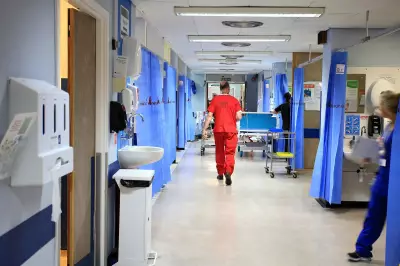
This was not an isolated occurrence. Over several days in early January, plainclothes agents descended upon hospitals across multiple Iranian cities where thousands wounded by security forces were being treated. These agents monitored and frequently obstructed care to protesters, intimidated hospital staff, seized wounded individuals, and removed the dead in body bags. Dozens of doctors were arrested during this period.

Unprecedented Militarization of Healthcare Facilities
The level of brutality and militarization of health facilities was described as unprecedented by medical professionals, even in a country with decades of experience cracking down on dissent. The Iran Human Rights Center in Oslo has documented multiple accounts from inside hospitals where security agents prevented medical care, removed patients from ventilators, harassed doctors, and detained protesters.
Doctors inside Iran reported working through what they described as 66 hours of hell, moving between different facilities to treat the wounded while armed agents stood watch over patients. Medical staff attempted to protect wounded protesters by recording false diagnoses in hospital records. "We knew that no matter what we did for the patients, they wouldn't be safe once they stepped out of the hospital," one doctor explained.
Government Denials and Independent Verification
Health Ministry spokesman Hossein Kermanpour denied reports of treatment being prevented or protesters being taken from hospitals, calling such accounts "untrue, but also fundamentally impossible." He stated in state media that all injured individuals were treated "without any discrimination or interference over political opinions."
However, The Associated Press verified these events through interviews with three doctors in Iran and six Iranian medical professionals living abroad who maintain contact with colleagues on the ground, along with reports from human rights groups and verification of more than a dozen videos posted on social media. All doctors inside Iran spoke on condition of anonymity for fear of retaliation.
Secret Medical Facilities and Targeted Arrests
With hospitals compromised, some medical professionals established secret treatment facilities. One surgeon described transforming a cosmetic procedure clinic in Tehran into an emergency trauma ward, treating more than 90 wounded individuals over four days with minimal supplies. Medical staff at this secret clinic used cardboard boxes and soft metal as splints for broken bones and weaker analgesics due to lack of proper anesthesia.
Since the crackdown, at least 79 healthcare professionals have been detained, including a dozen medical students, according to monitoring by Iranian medical professionals abroad. Around 30 have been released on bail, but many still face serious charges, including one accused of "waging war against God," which carries the death penalty.
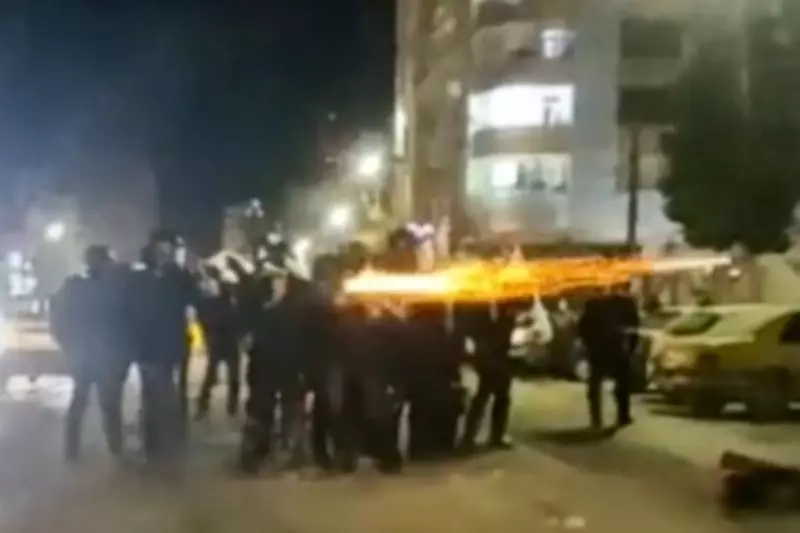
The crackdown, which reached its peak on January 8 and 9, represents the deadliest period of state violence since the Islamic Republic took power in 1979. Human rights groups have confirmed more than 7,000 deaths and are investigating thousands more, though the government has acknowledged only around 3,000 fatalities.