Iranian Hospitals Accused of Denying Treatment to Wounded Protestors
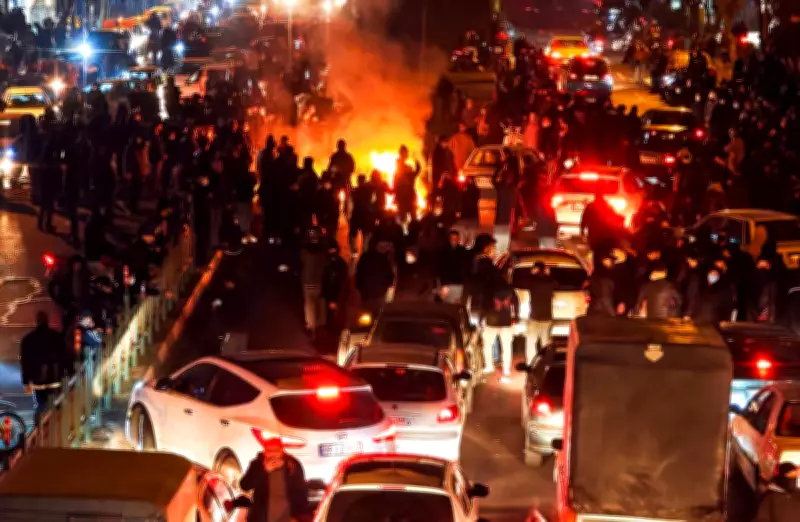
Doctors in Iran have disclosed shocking accounts of hospitals being pressured by security forces to deny medical care to injured protestors during the recent national uprising. Testimonies gathered by Independent Persian from medical staff across multiple cities indicate that hospitals, which should serve as sanctuaries for the wounded, were transformed into sites of neglect, concealment, and even deliberate harm.
Emergency Wards Prioritised by Security Labels
A consultant in Isfahan, speaking anonymously, described scenes in emergency and surgical wards as "indefensible by any professional or human standard." He reported that from 8 to 13 January, at the peak of the protests, treatment priority was not based on injury severity but on patients' "security label." Civilian casualties were left waiting for hours, while wounded security personnel were rushed to operating rooms under threat.
Deliberate Halting of Treatment Leads to Deaths
The same doctor detailed cases where treatment was intentionally stopped, resulting in fatalities. "Orders were given to disconnect ventilators and oxygen machines," he said. "Some patients were moved from the ICU to the morgue while they still had vital signs." Nurses who resisted these orders faced threats of summons and arrest, creating a climate of fear among healthcare workers.

Communication Blackouts Paralyse Medical Response
In Kermanshah, a doctor explained how security measures crippled hospital operations. With telephone and internet lines completely severed, it was impossible to contact on-call surgeons for gunshot wounds to critical areas like the head and neck. These communication failures caused life-threatening delays, believed to have cost multiple patients their lives.
Fabricated Diagnoses to Conceal Injuries
In Tehran and Karaj, doctors resorted to falsifying medical records to protect injured protestors from identification and arrest. Gunshot victims were logged under diagnoses such as "car accident" or "tumour." For instance, a 22-year-old woman shot in the throat had her surgery recorded as jaw surgery. Security agents repeatedly visited hospitals with court orders to collect patient lists, even using banking data to track the wounded.
Patients Abandon Treatment Due to Fear
Many injured individuals chose to leave hospitals prematurely, fearing arrest. A medical staff member in Babol, Mazandaran province, noted, "We had patients who insisted on discharge despite serious injuries, saying they would be arrested if they stayed." He likened the environment to a war zone, where security concerns overrode medical needs.
Denied Admissions and Hasty Burials
Eyewitnesses reported cases where hospitals refused admission to wounded protestors labelled as "political cases," leading to deaths that could have been prevented with timely care. In Babol and Kermanshah, death certificates were issued without proper legal procedures, and bodies were buried hastily. Families were coerced into silence through financial demands or written pledges.
Enforced Disappearances and Intimidation of Staff
Concerns have been raised about enforced disappearances, with some wounded patients transferred from hospitals to unknown locations. Healthcare workers also faced intimidation, with raids on hospitals and doctors' homes in Isfahan and Karaj, and arrests of colleagues without disclosure of their whereabouts.
Medical Council Expresses Grave Concern
Last Thursday, the Iranian Medical Council issued a statement expressing serious concern over the physical, psychological, and professional safety of healthcare workers during the suppression of the uprising. It called on authorities to guarantee the security of medical centres and prevent unprofessional or threatening actions against medical staff.
These accounts paint a disturbing picture of Iran's healthcare system being weaponised as part of a repression apparatus, resulting in preventable deaths and widespread human rights abuses.