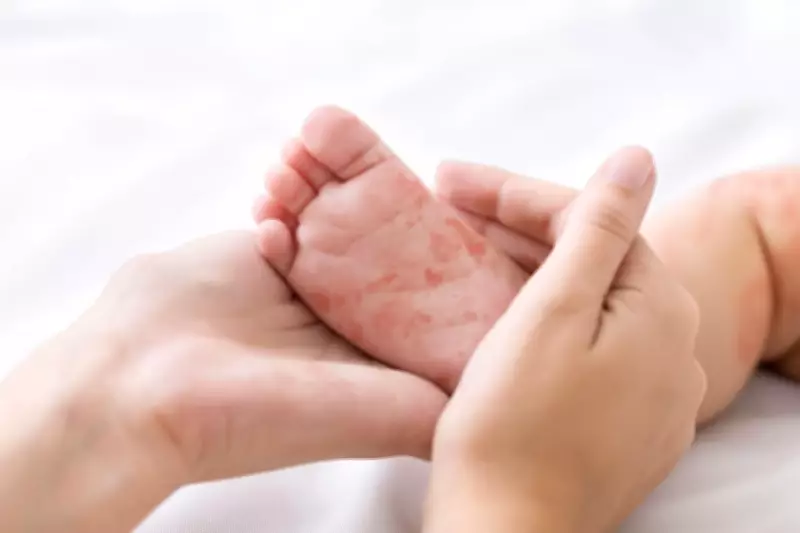
The United Kingdom has officially lost its measles elimination status, a development confirmed by global health authorities earlier this year. This alarming shift comes as dozens of suspected cases are now emerging across north London, with a concerning outbreak affecting several schools. The highly infectious viral illness, once largely controlled through vaccination programs, now poses a renewed and significant public health threat across the nation.
Understanding Measles Transmission and Symptoms
Measles is a viral infection that spreads with alarming ease among populations that are not fully protected through vaccination. The initial symptoms often mimic those of a common cold, including fever, cough, and runny nose. A few days later, a distinctive rash typically appears, beginning on the face and behind the ears before spreading across the entire body. This rash presents as raised, blotchy patches that are usually not itchy. Some individuals may also develop small white spots inside their mouths, known as Koplik's spots.
The virus spreads primarily through respiratory droplets when an infected person breathes, coughs, or sneezes. An individual becomes infectious approximately four days before the rash appears and remains contagious until four days after its onset. This lengthy infectious period makes containment particularly challenging once an outbreak begins.

Severe Health Risks and Vulnerable Populations
While many people recover from measles without lasting effects, the infection can lead to severe and potentially life-threatening complications. These include pneumonia, which is the most common cause of death from measles in young children, and encephalitis, a dangerous inflammation of the brain that can result in permanent brain damage.
In rare instances, measles can cause subacute sclerosing panencephalitis (SSPE), a fatal degenerative disease of the central nervous system that develops years after the initial infection. Babies under one year of age and individuals with compromised immune systems are particularly vulnerable to severe outcomes. For pregnant people, measles carries additional serious risks, potentially causing miscarriage, stillbirth, premature birth, or low birth weight in newborns.
Prevention Strategies and Vaccination Crisis
To mitigate transmission, the NHS advises implementing simple infection control measures. These include opening windows and doors to improve ventilation, frequent handwashing with soap and warm water, and using tissues to cover coughs and sneezes before immediately disposing of them. Sharing personal items such as cutlery, cups, towels, or bedding with potentially infected individuals should be strictly avoided.
Crucially, there is no specific antiviral treatment for measles, making vaccination the single most effective defence against the disease. Two doses of a measles-containing vaccine offer approximately 97% protection and are vital in preventing widespread community outbreaks. The MMRV vaccine, which protects against measles, mumps, rubella, and chickenpox, is typically offered to children at 12 and 18 months of age. The MMR vaccine, covering measles, mumps, and rubella, remains available for older children and adults born on or before 31 December 2019 who missed their vaccinations during childhood.
Alarming Decline in Vaccine Uptake
Recent figures from the UK Health Security Agency (UKHSA) paint a deeply worrying picture of declining vaccine uptake across England. Last year, not a single childhood vaccine met the 95% target recommended by the World Health Organisation (WHO) for achieving herd immunity against measles. This represents a significant public health failure that has directly contributed to the loss of elimination status.
The statistics reveal that only 91.9% of five-year-olds had received their first MMR dose, a figure unchanged from 2023/24 and representing the lowest uptake rate since 2010/11. The uptake for both MMR doses among five-year-olds was even lower at 83.7%, marking the lowest level since 2009/10. Similarly concerning, the first MMR dose uptake at 24 months stood at just 88.9% in 2024/25, unchanged from the previous year and also the lowest since 2009/10.

These persistently low vaccination rates have created critical gaps in population immunity, allowing measles to regain a foothold in communities across the UK. Health officials warn that without immediate and substantial improvements in vaccination coverage, the current outbreaks in north London schools could represent just the beginning of a much larger public health crisis.