Measles Outbreak at Texas ICE Facility Ignites Demands for Immediate Closure
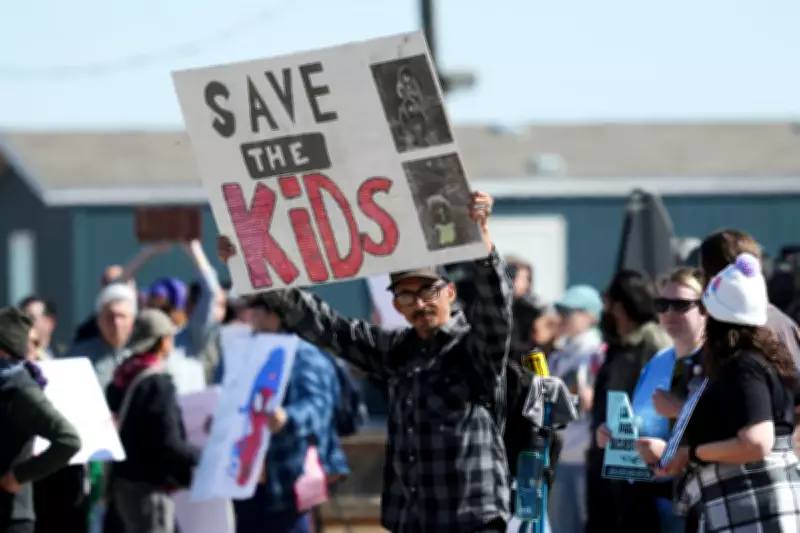
Protesters have gathered outside a detention facility in Dilley, Texas, where Liam Ramos and his father are being held, as calls intensify to shut down the centre amid a concerning measles outbreak. At least two cases of the dangerous virus have been confirmed at this major immigration detention site for children and their parents, highlighting a broader public health crisis across the United States.
Growing Measles Cases Across the US
The outbreak shows no sign of slowing, with the US witnessing 25% of last year's total confirmed cases in January alone. Federal officials have remained notably silent on vaccination efforts, despite the vast majority of patients being unvaccinated. No national campaigns have been announced, and leaders such as Robert F Kennedy Jr, secretary of the US Department of Health and Human Services, have not made recent public statements. Last year, Kennedy controversially framed measles vaccines as a personal choice and promoted unproven treatments for this highly contagious illness.
Experts describe the situation as "frightening" and "very worrisome." Jason Bowling, a professor of infectious diseases at UT Health San Antonio, warned that he does not see the outbreak slowing down across the nation. Similarly, Anna-Kathryn Burch, division director of pediatric infectious diseases at Prisma Health Children's hospital in South Carolina, emphasised that low vaccination rates could lead to outbreaks anywhere, stating it is "not a matter of if, but more likely when."

Conditions at the Dilley Detention Centre
The Dilley family detention centre in south Texas, one of only two immigration facilities for children in the US, reported two measles cases on Friday. Chris Van Deusen, director of media relations at the Texas department of state health services, confirmed awareness of the cases and assistance in providing measles vaccine doses as requested by ICE. This facility has previously housed asylum seekers like five-year-old Liam Conejo Ramos and his father, and it saw protests on 24 January, with children chanting, "Let us go!" Currently, children and parents are locked down, with some, like Elizabeth Zuna Caisaguano and her mother, reporting symptoms but not being tested for measles before their release.
Joaquin Castro, a Democratic congressman from San Antonio, has called for the detention centre to be "shut down immediately," arguing that Dilley is ill-equipped to handle measles spread and that innocent families should not suffer in prison-like conditions.
Public Health Risks and Expert Warnings
Eric Reinhart, a political anthropologist and psychiatrist, described detention centres as "epidemic engines" that can become "factories for manufacturing virus at incredible scale." He warned that such facilities, with close quarters and poor conditions, can accelerate outbreaks, spreading beyond their walls into communities. Reinhart highlighted that releasing inmates proved effective during Covid and called for decarceration and an end to immigration raids, even suggesting abolishing ICE and the Department of Homeland Security.
The outbreak is part of a rapidly spiraling trend across the US. South Carolina has reported 876 measles cases and at least 18 hospitalisations, surpassing last year's west Texas outbreak. Other states like Arizona and Utah are also seeing continued spread, with hundreds of cases and numerous hospitalisations. According to CDC data, 588 confirmed measles cases have occurred this year, nearly all from local spread.
Vaccination Efforts and Challenges
In the absence of federal campaigns, vaccination efforts are largely falling on state and local officials. The MMR vaccine is emphasised as safe and effective, but hesitancy is increasing. Not everyone can receive the vaccine, such as pregnant individuals or those undergoing immune-compromising treatments, putting vulnerable groups at high risk in confined conditions like Dilley.
Health systems are adapting with measures like incident command systems, face mask requirements, and telehealth options, drawing on lessons from the Covid pandemic. However, the heartbreak for pediatricians like Burch is palpable, as they witness preventable outbreaks despite having effective tools at hand.

ICE did not respond to inquiries about staff movements or vaccination campaigns by press time, and an HHS spokesperson disputed claims of inaction without providing evidence. As the crisis deepens, the urgent need for action to protect public health remains clear.