Menstrual Blood Test Breakthrough Offers Pain-Free Cervical Cancer Screening
In a landmark development for women's healthcare, scientists have discovered that menstrual blood can be accurately tested for signs of cervical cancer. This revolutionary screening method could finally provide an alternative to the invasive and often traumatic smear test that has remained largely unchanged for seventy-five years.
A Simple Yet Revolutionary Solution
The new approach involves using a regular sanitary pad equipped with a specialized blood sample strip. Researchers have demonstrated this method can effectively detect human papillomavirus (HPV), which is responsible for 99.7 percent of cervical cancer cases. This represents a significant advancement that eliminates both fear and physical discomfort from the screening process.
"There is really exciting potential for using menstrual blood in more research that has been previously untapped," explains Sarah Graham, author of Rebel Bodies: A Guide to the Gender Health Gap Revolution. "It's been seen as a waste product, but there's so much we can learn from it. Women being in research spaces is starting to change that."

Why Has Innovation Taken So Long?
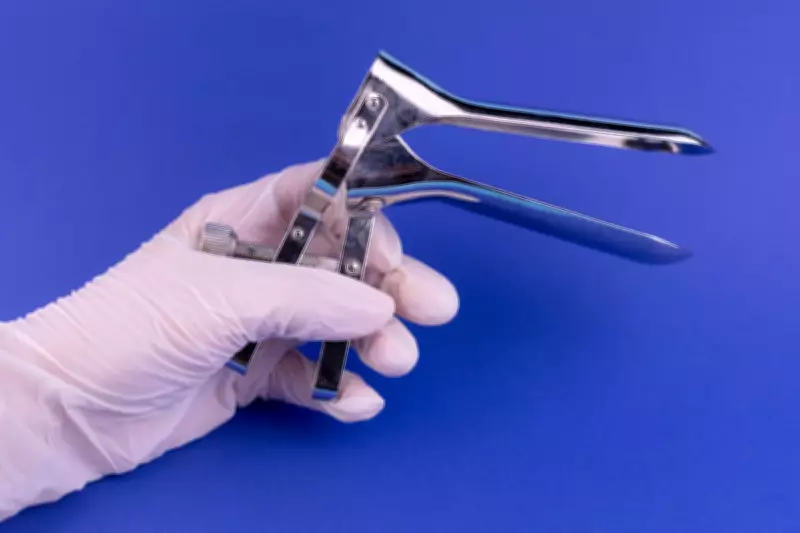
Despite the simplicity of the solution, the medical community's slow progress in developing less invasive screening methods has sparked considerable frustration. The traditional smear test, invented by Dr. George Papanicolaou in the early 1950s, involves using a speculum—a tool first designed in the 1840s—to access the cervix.
Shockingly, smaller plastic speculums only became standard in the last two decades, replacing larger metal instruments. Even these were controversially labeled "virgin speculums" until 2023, highlighting persistent misogyny in modern medical practice.
"Women have been saying for a long time that this test is unpleasant, but it's taken such a long time for those voices to be heard," Graham continues. "There's been a lot of patronising messaging around it, insinuations that it's silly women just getting embarrassed and to suck it up."
The Human Cost of Outdated Methods
Approximately one-third of women invited for smear tests in the United Kingdom fail to attend appointments. Many cite the procedure's discomfort and potential trauma as primary reasons for avoidance. While health officials often describe the test as "painless" and "over in minutes," countless women report experiences ranging from significant discomfort to genuine humiliation.
Personal accounts reveal disturbing patterns within the system. One woman requesting a smaller speculum was told by a nurse to "stop panicking and tensing up" or the procedure "would feel like rape." Another with a tilted cervix endured a fifteen-minute ordeal before being rescheduled with a more "experienced" nurse to handle her "difficult" anatomy.
"This is not news that the medical institution is happy for women to be left with the absolute basics," states Polly Vernon, author of How the Female Body Works. "There is a sense that we endure discomfort and embarrassment because it's baked into being a woman."
Historical Neglect of Women's Medical Needs
The slow progress in cervical screening innovation reflects broader historical trends in medicine. "The priorities in medicine have historically been shaped by male practitioners asking the questions that seem important to male medical professionals and scientists and their bodies," explains Dr. Marieke Bigg, author of This Won't Hurt: How Medicine Fails Women.
Dr. Bigg notes that since early gynecological experiments conducted without anesthesia on African-American women, there has been minimal effort to address women's pain and discomfort during medical procedures.
The Urgent Need for Change
With over 3,000 women diagnosed with cervical cancer annually in the UK—a number that would be approximately 5,000 higher without current screening—improving participation rates is crucial. Research from July indicates that less painful, more private self-tests could prevent up to 1,000 cervical cancer cases each year.

Alternative methods already exist or are in development, including vaginal swabs and urine tests for non-menstruating individuals. However, implementation has been frustratingly slow. "Self-sampling kits have long been known to be an alternative that is more comfortable for many women," Dr. Bigg observes. "But it has taken over five years to implement even this life-saving invention."
The menstrual blood screening method remains in early development stages, meaning widespread availability could take considerable time. Experts emphasize the importance of introducing it alongside existing methods while improving infrastructure to ensure all women can access screening.
As politicians and medical professionals finally recognize that women will continue avoiding painful procedures, the pressure mounts to accelerate innovation. With thousands of lives at stake, the healthcare system must prioritize implementing these long-overdue alternatives without further delay.