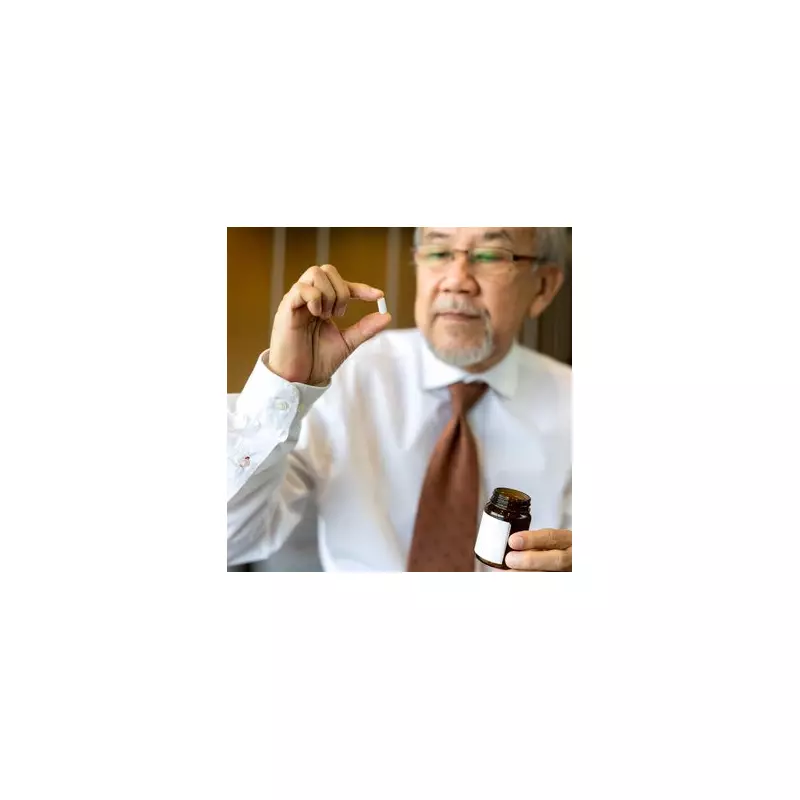
The National Health Service has issued an urgent public health alert targeting the millions of Britons prescribed the common medication amlodipine. The directive is clear: patients must call 999 immediately if they experience one specific, severe symptom while taking the drug.
What is Amlodipine and Why is it Prescribed?
Amlodipine ranks among the most frequently prescribed medicines in the United Kingdom. It is primarily used to treat hypertension, the medical term for high blood pressure. The medication also serves as a preventative treatment for angina, the chest pain associated with heart disease.
The drug works by relaxing and widening the body's blood vessels. This action makes it easier for blood to flow, thereby lowering blood pressure. As a secondary benefit, this process can also improve the supply of blood and oxygen to the heart muscle itself. Patients typically take amlodipine in a tablet or liquid form to swallow.

Recognising Serious Side Effects: When to Act
While effective, amlodipine can cause side effects, like all medicines. The NHS notes that many common side effects, such as headaches, dizziness, or a feeling of a racing heartbeat, often improve as the body adjusts. These are considered common, affecting more than one in every 100 people.
However, there are more serious reactions. The NHS states that serious side effects are uncommon, potentially affecting around one in 10,000 people. Symptoms like severe stomach pain, digestive issues, or the whites of the eyes turning yellow (jaundice) are considered serious. For these, patients are advised to contact their GP or call NHS 111 for advice.
The Critical 999 Warning: Unrelenting Chest Pain
The NHS emphasises one symptom that demands an immediate 999 call: severe, unrelenting chest pain. This is the paramount warning for anyone taking amlodipine.
For patients prescribed the drug for angina, the advice is to call 999 if they experience chest pain that is new, different, or worse than their usual angina pain. The health service explicitly advises against attempting to drive oneself to A&E in this situation. The emergency operator who answers the 999 call will provide crucial instructions on the next steps.
Additionally, a severe allergic reaction (anaphylaxis) to amlodipine also warrants a 999 call. Key signs of this include:
- A tight feeling in the throat or difficulty swallowing.
- Sudden swelling of the lips, mouth, tongue, or throat.
- Struggling to breathe, gasping for air, or very fast breathing.
- Skin, lips, or tongue turning blue, grey, or pale.
- Sudden confusion, dizziness, drowsiness, or collapsing and not waking up.
This alert, reported on 2nd January 2026, underscores the importance of being aware of medication side effects. While amlodipine is a cornerstone of treatment for cardiovascular conditions, understanding when a side effect constitutes a medical emergency is vital for patient safety. Full details on amlodipine and its side effects are available on the official NHS website.