NHS Accelerates Newborn Screening for Spinal Muscular Atrophy
In a significant development for public health, the NHS will commence screening hundreds of thousands of newborn babies for spinal muscular atrophy (SMA) this October, marking a substantial victory for campaigners including former Little Mix singer Jesy Nelson and the Mirror newspaper. Health Secretary Wes Streeting has intervened to bring forward the pilot programme, which will now start in October 2026 instead of the originally planned January 2027.
Campaign Success and Personal Advocacy
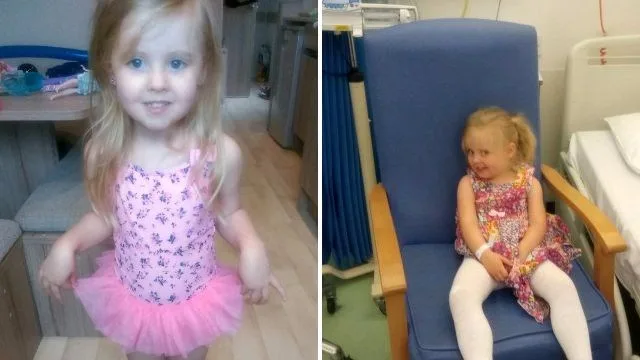
Jesy Nelson has been at the forefront of raising awareness about SMA after her twin daughters, Ocean Jade and Story Monroe, were diagnosed with the condition too late for optimal treatment. The irreversible nerve damage that occurred before diagnosis means her children will never walk. Nelson's personal experience highlighted the critical importance of early detection, as new treatments available on the NHS can effectively cure the disease if administered immediately after birth.
The Mirror's sustained campaign for universal newborn SMA testing has played a crucial role in pushing this issue onto the political agenda. Their reporting has emphasized how early diagnosis through routine screening could prevent disability in affected infants.
Details of the Screening Programme
The In-Service Evaluation (ISE) will test approximately 404,000 babies across England. However, 163,000 newborns will remain untested to serve as a control group for comparing outcomes—a decision that some medical experts have criticized as unethical. This control group approach means an estimated 11 babies per year will still receive late diagnoses despite the screening expansion.
In a letter to Jesy Nelson and Giles Lomax, chief executive of SMA UK, Health Secretary Wes Streeting confirmed: "I am pleased to confirm that the ISE will now start in October this year rather than January 2027 as previously planned." He acknowledged their advocacy work and personal experiences in raising awareness about the urgent need for earlier diagnosis.
Regional Disparities and International Context
While England moves forward with expanded testing, significant regional disparities remain within the United Kingdom. Scotland has already committed to screening all newborns for SMA, but Wales and Northern Ireland have made no such decision, leaving approximately 47,000 babies untested annually in those nations.
The United Kingdom has lagged behind many other developed nations in implementing comprehensive newborn screening. Currently, the UK only checks for ten out of approximately fifty serious health conditions through the heel prick test, compared to forty-eight in Italy, thirty-one in Austria, and twenty-nine in Poland and Portugal. Approximately sixty-five percent of European Union countries already screen for SMA, including Poland, with Ukraine implementing screening even during wartime.
Understanding Spinal Muscular Atrophy
Spinal muscular atrophy is a genetic disorder caused by a fault in the SMN1 gene, which prevents proper production of SMN protein. This protein maintains the health of nerve cells that transmit signals between the brain, spinal cord, and muscles. Without adequate SMN protein, motor neurons die off, leading to muscle wasting—particularly in the legs, chest, and arms.
Three treatments are currently approved on the NHS to halt disease progression:
- Nusinersen (Spinraza): Injected around the spine every four months to encourage SMN protein production
- Evrysdi: Daily oral liquid medication that increases SMN protein production
- Zolgensma: One-time gene therapy infusion that delivers a healthy copy of the SMN1 gene
These treatments are most effective when administered before nerve damage occurs, making early diagnosis through newborn screening critically important.
Historical Delays and Future Prospects
The UK National Screening Committee initially decided against adding SMA to the newborn screening programme in 2018. Despite three major treatments becoming available on the NHS since 2019—including groundbreaking gene therapies that can virtually eliminate the condition when administered at birth—the committee maintained in 2023 that further studies were necessary.
Instead of recommending national screening, the committee insisted on an "in-service evaluation," effectively creating a large-scale NHS pilot study. This decision was reaffirmed in June 2025, despite mounting international evidence demonstrating the benefits of early treatment and screening.
The current ISE is funded by the National Institute for Health and Care Research (NIHR), whose spokesperson stated: "The NIHR is funding a large study to evaluate newborn screening for SMA. Its potential impact will be to demonstrate whether newborn screening for SMA can be delivered effectively through the NHS, accurately and quickly identify affected babies, enable earlier treatment than diagnosis after symptoms appear, and provide robust evidence to inform a national decision on introducing SMA screening."
Health Secretary Streeting has expressed his desire to see a full national rollout of SMA screening once the pilot programme provides sufficient evidence, signaling potential further expansion of newborn testing in the coming years.