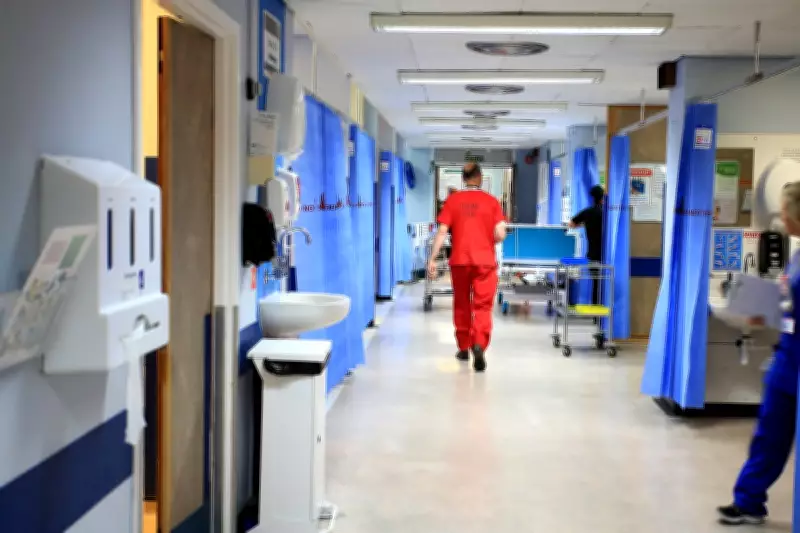
The NHS is confronting a severe cancer care crisis, with senior clinicians issuing stark warnings about a potential "disaster" as staff shortages prevent patients from accessing life-saving treatments promptly. While medical advancements have expanded treatment options significantly, including robot-assisted surgery and genomic testing, overstretched services are struggling to deliver these innovations due to critical workforce gaps.
Growing Diagnoses Amidst Treatment Delays
Cancer diagnoses in the UK have surged to more than 354,820 annually, up from 327,174 before the pandemic, reflecting improved early detection methods. However, this positive development in diagnosis is being undermined by worsening treatment timelines. Analysis of NHS data by Cancer Research UK reveals that 100,000 patients waited longer than the government's 62-day target for urgent referrals in 2025 alone.
Currently, only 70 per cent of cancer patients receive treatment within this crucial 62-day window, far below the NHS target of 85 per cent. Even if this target were met, Cancer Research estimates that 51,100 people would still experience delayed treatment initiation.

Staffing Shortfalls and Recruitment Freezes
The Royal College of Radiologists has sounded the alarm about a critical shortage of nearly 2,000 doctors needed to meet current demand, with this deficit projected to escalate to 3,646 by 2029. Hospital budget cuts have forced recruitment freezes, creating what Dr Nicky Thorp, the RCR's vice-president for clinical oncology, describes as "a potential disaster."
"It's not that we don't have people to fill posts. We do have people to fill posts, but they are unable to get jobs," Dr Thorp explained, highlighting how financial constraints are creating bottlenecks in cancer care delivery.
Specific Cancer Statistics Reveal Concerning Trends
Recent data from 2023 diagnoses shows significant increases across major cancer types:
- Breast cancer diagnoses reached over 50,500 cases, with 2,264 at stage 4
- Prostate cancer cases rose to 58,137 from 40,372 in 2013
- Lung cancer diagnoses increased to 42,082 from 37,805
- Bowel cancer cases grew to 40,907 from 34,528
While cancer death rates have decreased by 22 per cent over the past fifty years, with 138,578 deaths recorded in 2023, treatment delays mean many patients' cancers progress to later stages before intervention, requiring more complex and invasive treatments.
Diagnostic Testing Bottlenecks
The government's new 10-year cancer plan promises expanded access to genomic testing, which analyses cancer DNA to personalise treatments. However, current diagnostic services are overwhelmed. Of the 17,000 patients waiting longer than 62 days for treatment, 13,400 are awaiting diagnostic tests.
Dr Andrew Wardley, president of the Association of Cancer Physicians, reported that some patients wait up to three weeks for basic tests like HER2, which determines optimal treatment for aggressive breast cancer. "Pathology services are in a state where you're not getting the results to make treatment decisions in time," he stated.
Regional Disparities and Service Restrictions
Breast cancer surgeon Angela Waters from University Hospitals Birmingham described surgeons as "overwhelmed" with demand, forcing her hospital to restrict referrals to local patients only. "We haven't got enough surgeons who can do it, so those of us who are doing it are overwhelmed with work," she explained, noting that some regions lack adequate reconstruction services entirely.
Angela Baker, chair of the Society of Radiographers Radiotherapy Advisory Group, highlighted the catch-22 situation facing cancer services: "You need staff to train staff." While technological advances like stereotactic body radiotherapy have accelerated treatment delivery, services lack both funding and personnel to implement them effectively.
Government Response and Future Challenges
The Department of Health and Social Care pointed to record numbers of doctors working in the NHS, with over 6,200 more than the previous year and an additional 2,900 GPs since the government took office. However, clinicians argue that recruitment freezes and budget constraints directly contradict ambitions to improve cancer outcomes.

As the government unveils its decade-long plan to transform cancer services in England, including a pledge to hit all NHS cancer waiting time targets by 2029, experts warn that without addressing fundamental staffing and funding issues, these ambitions may remain unrealised, leaving thousands of cancer patients facing dangerous treatment delays.