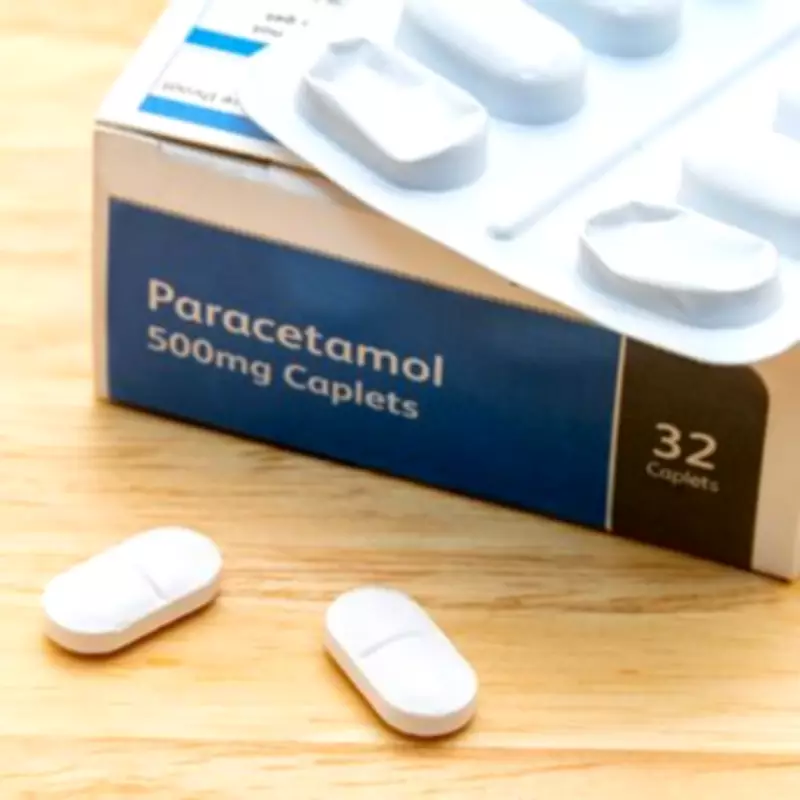
NHS Doctor Issues Critical Warning on Paracetamol and Co-codamol Combination
An NHS general practitioner has delivered an urgent public health message, strongly advising patients to cease taking paracetamol if they are already using the common painkiller co-codamol. This crucial warning comes amid concerns that combining these medications could lead to severe, potentially life-threatening consequences due to accidental overdose.
The Widespread Use of Paracetamol in the UK
Paracetamol stands as one of the most frequently utilised medications across the United Kingdom, renowned for its effective pain-relieving properties and its capacity to reduce fever. Statistics reveal that approximately 200 million packets of this over-the-counter analgesic are sold annually within the UK. Its accessibility and general tolerability have made it a staple in household medicine cabinets and a trusted tool for medical professionals.
However, Dr Abdul, an NHS GP, has emphasised that this widespread availability does not equate to universal suitability. Many individuals may be unaware that paracetamol can interact significantly with other medicines they might be taking, potentially altering their efficacy or introducing serious health risks.

The Hidden Danger in Co-codamol
In a detailed social media briefing, Dr Abdul specifically highlighted the peril for patients who use co-codamol, another prevalent pain relief medication. "What is the difference between Co-codamol and Paracetamol - this one is an important one to know because of a common mistake that patients can make," he stated at the outset of his warning.
He clarified that while paracetamol is a standalone analgesic available in standard 500mg tablets, co-codamol is a combination medication containing both paracetamol and codeine. Each co-codamol tablet typically includes 500mg of paracetamol alongside varying doses of codeine, an opioid used to manage moderate to severe pain conditions such as migraines, muscular discomfort, and dental issues.
The Critical Mistake and Its Consequences
"And here's where the mistake comes," Dr Abdul explained. "People would take Co-codamol, for example, maximum dosage, so that's tends to be two tablets every six to eight hours. But if that is not working for their pain, they may actually end up taking paracetamol on top of that, not knowing that the co-codamol already contains paracetamol."
This common error can result in patients unknowingly exceeding the maximum safe daily dose of paracetamol, which is set at four grams. Such an overdose constitutes a medical emergency that can precipitate severe liver damage or complete liver failure, outcomes that may prove fatal without prompt intervention.
Safe Alternatives and Essential Precautions
For individuals requiring additional pain management while on co-codamol, the NHS recommends considering alternative over-the-counter options that do not contain paracetamol. These include medications such as:
- Ibuprofen
- Aspirin
Conversely, patients must avoid other medicines that incorporate paracetamol, such as:
- Combination painkillers like Tramacet and co-dydramol
- Various migraine remedies
- Certain cough and cold treatments including Lemsip and Night Nurse
The NHS further cautions that co-codamol can interact with other pharmaceuticals, potentially diminishing their effectiveness or causing adverse reactions. Therefore, it is imperative that patients disclose all medications they are taking to their GP or pharmacist to ensure compatibility and safety.
This advisory underscores the vital importance of medication awareness and the necessity of consulting healthcare professionals before combining any treatments, no matter how commonplace they may seem.