Back pain represents a widespread issue affecting countless individuals across the United Kingdom, as highlighted by the National Health Service. While severe or persistent discomfort should always prompt a consultation with a medical professional, many cases are benign and can improve with appropriate self-care measures. The NHS actively advocates for incorporating specific exercises and stretches into daily routines to foster a healthier back and accelerate recovery processes.
The Sedentary Lifestyle Challenge
In a dedicated video resource available on the official NHS website, NHS Physiotherapist Stuart Taylor addresses a critical modern health concern. He explains that contemporary lifestyles often involve excessive sedentary behaviour, which significantly contributes to back problems. Regular movement and targeted stretching can play a vital role in maintaining spinal health and preventing common aches.
"One of the problems that we have in society today is that we're too sedentary, we don't move enough," Stuart Taylor remarked. "It's important that you get into a habit of moving. You can do specific exercises, but just some general movements of your spine—backwards, to the side, twisting round either side—can help. Getting into a regime of movement is key."
Six Essential Stretches for a Healthier Back
The physiotherapist meticulously demonstrated a series of six straightforward stretches in a concise five-minute tutorial. These exercises are designed to be accessible and require minimal time commitment, making them ideal for integration into busy schedules.
- Kneeling Stretch: Begin on your hands and knees, ensuring your knees are positioned directly under your hips. Keeping your hands stationary, gently sit back onto your heels while stretching your arms forward. Slowly lower your head until you feel a comfortable stretch along your spine. Return to the starting position and repeat this sequence five times as an effective warm-up.
- Back Extension: Lie flat on your stomach. Keeping your hips pressed against the surface, push into your hands to lift your head and shoulders, arching your back and straightening your elbows. You should feel a stretch in your lower back. Lower yourself back down and complete this movement five times. "This exercise is great because we often don't incorporate this type of movement into our daily lives," Stuart noted.
- Knees to Chest Stretch: Lie on your back with your knees bent and feet flat. Bring your knees toward your chest, placing your hands below your knees to gently squeeze them closer. This action will cause your hips to lift slightly off the surface, creating a stretch in the lower back. Hold for a count of five, then release. Repeat five times.
- Knee Rotation: Starting in the same position as the previous exercise—on your back with knees bent—place your hands on your chest with elbows and arms out to the sides, keeping shoulders flat. Gently lower your knees to the left, then to the right, in a relaxed, controlled motion. Perform this movement five times on each side to promote spinal mobility.
- Superman Exercise: Position yourself on your hands and knees. Extend one leg straight back and upward while simultaneously raising the opposite arm forward, keeping your pelvis stable. Hold this position for six seconds before relaxing and switching sides. Repeat five times per side. "This exercise tones the muscles that keep your spine stable by creating intentional instability," the expert explained.
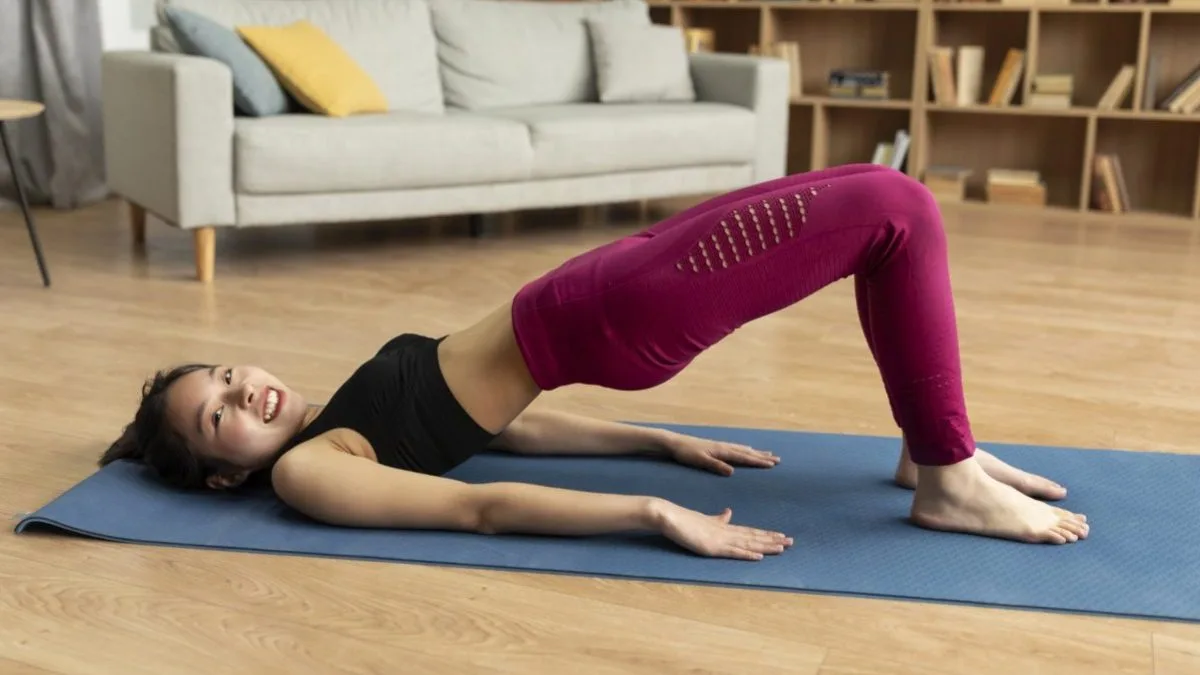
- Bridging Exercise: Lie on your back with knees bent and feet flat. Lift your hips until they align with your knees, hold the position briefly, then slowly lower back down. This movement helps strengthen the lower spine and hip muscles.
Important Safety Considerations
While these stretches are generally safe and beneficial for most individuals, the NHS issues a crucial warning. If any exercise causes pain that intensifies or feels severe, you should stop immediately and seek advice from your general practitioner. The primary goal is to support back health without exacerbating existing issues.
Incorporating these simple, physiotherapist-approved stretches into a daily routine can be a proactive step toward mitigating back pain, especially for those with sedentary jobs or lifestyles. Consistency is key, as regular movement helps maintain spinal flexibility and strength, potentially reducing the frequency and intensity of aches over time.