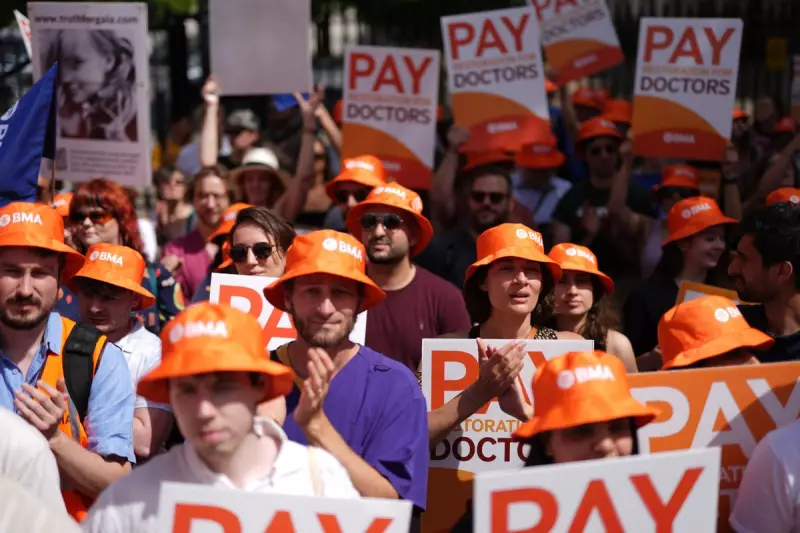
The National Health Service (NHS) in England is bracing for another wave of disruption as junior doctors begin a five-day strike, intensifying their campaign for improved pay and working conditions. The walkout, which started on Thursday, marks one of the longest strikes in NHS history, raising concerns over patient care delays.
Wes Streeting Calls for Immediate Resolution
Newly appointed Health Secretary Wes Streeting has urged both sides to return to the negotiating table, describing the ongoing dispute as "a mess" inherited from the previous government. Streeting emphasised the need for urgent talks to prevent further strain on the already overburdened healthcare system.
Impact on NHS Services
The strike action is expected to cause significant disruption across hospitals in England, with:

- Thousands of routine appointments postponed
- Emergency care prioritised
- Senior consultants covering junior doctors' shifts
NHS England has warned patients to expect "significant delays" and advised using services wisely during the strike period.
Doctors' Demands
The British Medical Association (BMA), representing junior doctors, maintains that their members have suffered a 26% pay cut in real terms since 2008. They argue that fair pay is essential to:
- Retain skilled medical professionals
- Maintain patient safety standards
- Prevent an exodus of NHS staff abroad
The government has offered an 8.8% pay rise, which the BMA rejects as insufficient.
Public Reaction and Political Fallout
The strike has sparked mixed reactions from the public, with some expressing sympathy for overworked junior doctors while others worry about cancelled treatments. Opposition parties have criticised the government's handling of the dispute, calling for a more proactive approach to resolve the standoff.
As the strike continues, all eyes remain on whether fresh negotiations can produce a breakthrough before further industrial action is planned.