NHS Maternity Services in Crisis: Damning Report Exposes Racism and Unsafe Conditions
A shocking national review has laid bare profound failures in NHS maternity services, uncovering unacceptable racism, unsafe hospital wards, and systemic neglect that have left women and babies across the country at risk. The interim report from the national maternity and neonatal investigation, led by Baroness Valerie Amos, paints a grim picture of a service in crisis, with staff shortages, capacity issues, and a lack of accountability creating devastating consequences.
Shocking Examples of Racism and Discrimination
The inquiry, which gathered testimonies from 400 families and accounts from 8,000 people, found alarming levels of racism and discrimination embedded within maternity care. Asian women reported being stereotyped as "princesses" by staff who implied they were unable to cope with pain, while black women described having their pain dismissed as if they had "tough skin" and could tolerate it more easily.
One particularly disturbing account revealed a staff member telling trainees that "the bloody Asian ones just go on and on and on." Black women told investigators they felt they were not believed when complaining about pain, with one woman saying she was made to feel like an "aggressive, angry black woman" when begging for help during labour.

The discrimination extended beyond racial lines, with Muslim parents reporting insensitive treatment, including one nurse telling a woman listening to Quran recitations to "turn it down; I don't want to hear it." LGBTQ+ families and those who didn't speak English also reported facing prejudice and inadequate support.
Unsafe Conditions and Inhumane Treatment
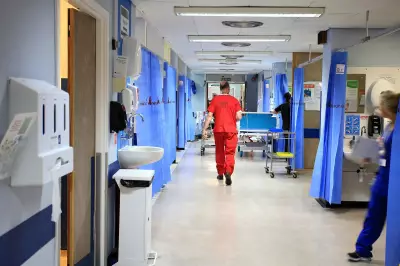
The report highlighted dangerously poor hospital conditions that forced women to give birth in corridors due to leaking roofs, fire hazards, and unusable rooms. In one hospital, women requiring assisted vaginal deliveries had to deliver with their room doors open because of space constraints.
"It is inconceivable that anyone would choose to give birth in such a manner. We have to ask ourselves how this can be regarded as acceptable in 2026?" the report questioned, highlighting the fundamental failure to provide basic dignity and safety for mothers during childbirth.
Systemic Failures and Lack of Accountability
Baroness Amos's investigation uncovered a pattern of systemic failures that have persisted despite numerous previous reviews and calls for change. The report found "stretched" maternity services forced to delay inductions and planned caesarean sections, poor bereavement care that saw grieving parents taken through delivery suites where they could hear other mothers in labour, and families being "disregarded" or not listened to during pregnancy and labour.
Women reported being left to "wrongly blame themselves if their babies are harmed or die," while young families faced "judgment and discriminatory attitudes" due to their age. In one particularly cruel instance, a woman was told she was "too fat to have children."
Broader Crisis in Maternity Services
These damning findings come amid a wider crisis in UK maternity services, following reviews into failures and deaths at multiple hospital trusts including Shrewsbury and Telford, East Kent, Nottingham University Hospitals, and Morecambe Bay. The Amos inquiry identified a "postcode lottery" of care, with Baroness Amos agreeing that services appear "fragmented" across the country.
"We have heard about families being disregarded and not listened to during pregnancy and labour, a lack of kindness and compassion, and reluctance on the part of trusts and professionals to admit mistakes and say sorry when things have gone wrong," Baroness Amos stated in her report.
Calls for Urgent Reform
Michelle Welsh MP, who chairs an all-party parliamentary group on maternity services, called for immediate action to address the systemic problems. "For far too long, women and babies – especially those from Black, Asian and deprived communities – have faced unacceptable disparities in outcomes," she said. "If we are serious about rebuilding trust, we must confront that reality head-on and deliver genuinely equitable care."

She emphasized that the report "cannot simply sit on a shelf" but must mark "the beginning of meaningful, system-wide reform" with concrete action rather than just "warm words."
Staff Under Pressure and Culture Problems
The report also highlighted "striking shortcomings" in the culture and leadership of maternity services, with some staff reporting they had been so heavily impacted by public scrutiny that they felt forced to "hide their name badges or uniforms in public or lie about their jobs when meeting people outside of work."
This climate of fear and defensiveness has contributed to a culture where mistakes are not properly acknowledged or addressed, creating a cycle of failure that Baroness Amos insists "must stop."
Path Forward and Ongoing Investigation
Baroness Amos will publish her first set of recommendations in Spring 2026, with a final report to follow later in the year. The public call for families to share their experiences remains open until March 17, allowing more voices to contribute to this crucial examination of maternity care standards.
The report represents a stark indictment of current maternity services and a urgent call for comprehensive reform to ensure all women receive safe, dignified, and equitable care during one of the most vulnerable periods of their lives.