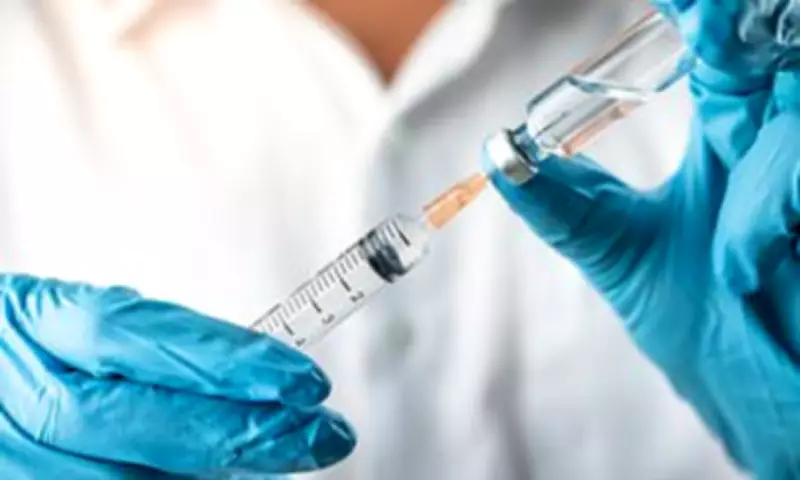
Tens of thousands of cancer patients stand to benefit from a groundbreaking new injection being rolled out by the NHS, which can treat over a dozen different cancers in just 60 seconds. The health service is introducing an injectable form of immunotherapy that helps immune cells combat the disease, slashing treatment time by 90 per cent.
Rapid Treatment for Multiple Cancers
The injection, known as pembrolizumab, is effective against 14 types of cancer, including lung, breast, head and neck, and cervical cancers. It allows patients to spend less time in hospital while boosting NHS productivity. Around 14,000 patients in England begin this therapy each year, and the majority are now expected to benefit from the rapid treatment.
How It Works
Pembrolizumab replaces intravenous infusion, which can take up to two hours per session. The new treatment is administered as a one-minute shot every three weeks or a two-minute injection every six weeks, depending on the cancer type. The drug, sold under the brand name Keytruda, is injected under the skin into the fatty tissue of the abdomen or thigh. It works by blocking a protein called PD-1, which acts as a brake on immune responses, teaching the immune system to recognise and attack cancer cells.

Patient and Expert Reactions
Shirley Xerxes, 89, from St Albans in Hertfordshire, was among the first patients in the UK to receive the new jab at the Mount Vernon Cancer Centre. She said: 'I can't believe how little time it took. I was only in the chair for a matter of minutes instead of an hour or more. It's made such a difference and gives me more time to live my life, including spending more time gardening.'
Professor Pete Jonson, national clinical director for cancer at the NHS, said: 'This immunotherapy offers a lifeline for thousands of patients. Managing cancer treatment and regular hospital trips can be really exhausting, and not only will this innovation make therapy much quicker, it will help free up vital appointments for NHS teams to continue to bring down waiting times.'
Side Effects and Safety
Because the treatment targets the immune system, it can cause serious side effects, including breathlessness due to a drop in red blood cells, fluid build-up, and hypothyroidism. When thyroid hormones drop, patients may experience fatigue, weight gain, depression, and a deepening of the voice. If medication is prescribed to replace low hormone levels, patients must take it for life. Rarer side effects include inflammation in the heart, stomach inflammation, pancreatitis, and encephalitis. However, these side effects are rare and occur whether the drug is administered intravenously or via injection.
Government and Charity Support
Health Secretary Wes Streeting welcomed the innovation, stating: 'Our National Cancer Plan promised to do more and go faster for patients – already we are delivering that change. As a cancer survivor, I know how important quick treatment is, and this rollout will offer quicker, more convenient care, saving patients time and helping them in their recovery with less time in hospital. Not only that – it'll also free up valuable time so clinicians can care for even more people and potentially save even more lives.'
The government is providing the NHS with record funding, enabling around 40,000 more people to start treatment on time, with early diagnosis rates hitting record highs. Despite this, a damning analysis revealed that a record 106,810 cancer patients waited more than 62 days to start urgent treatment last year, with more than four in five trusts missing the key target. Cancer charities warn that such delays slash survival chances, reduce treatment effectiveness, and increase anxiety. Studies show that every four-week delay reduces patient survival by an average of 10 per cent.
Future Outlook
The Department of Health and Social Care has stated that the NHS will meet all existing cancer targets by March 2028, alongside the Government's National Cancer Plan, which promises to embrace a robotic revolution to boost survival rates. Michelle Mitchell, chief executive at Cancer Research UK, said: 'At a time when capacity across the NHS is severely limited, innovations like this are crucial. It's important the UK Government continues to dedicate resources to ensuring proven treatments reach patients quickly and fairly.'

John McNeill, Oncology Business Unit Director at MSD, the manufacturer of the drug, added: 'We are pleased to introduce this new treatment option for patients that can be administered in one minute every three weeks or in two minutes every six weeks – significantly faster than IV delivery. This not only enhances the patient experience for many but also frees up valuable time for clinicians. This innovation offers a practical, patient-centred solution to improve productivity, capacity, and convenience in NHS cancer care.'