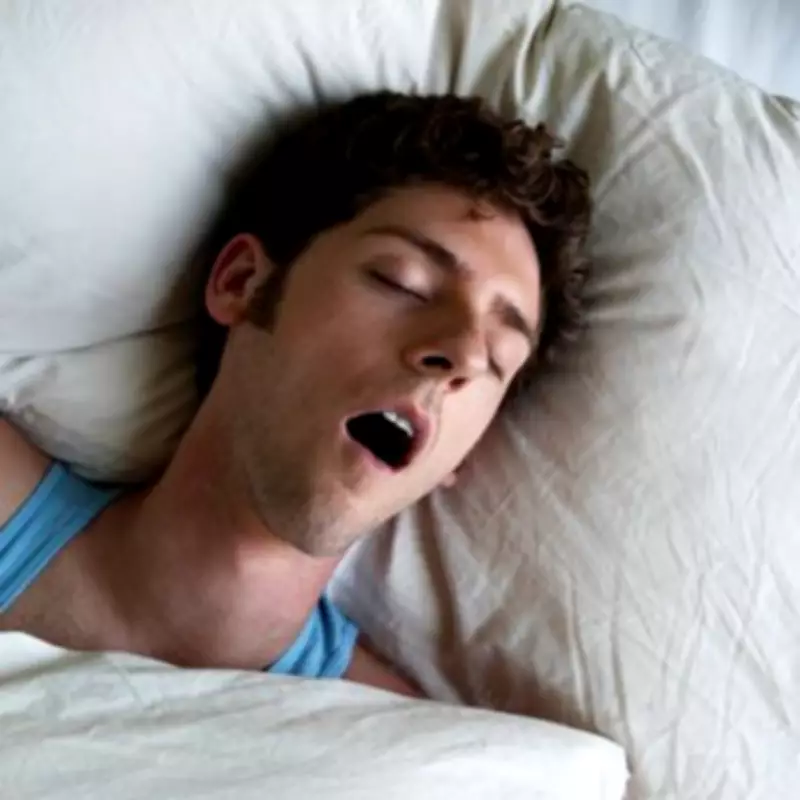
NHS Issues Urgent Warning to Regular Loud Snorers
The National Health Service has issued a critical public health alert, urging individuals who know they snore loudly on a regular basis, or have been informed by others that they do, to promptly book an appointment with their general practitioner. According to the latest official NHS guidelines published on its website, persistent and noisy snoring during sleep, or frequent awakenings caused by it, should not be ignored and warrant medical evaluation.
Understanding the Serious Underlying Condition
While occasional snoring is considered normal, the NHS emphasises that habitual loud snoring may be a significant indicator of obstructive sleep apnoea (OSA). This condition is characterised by repeated interruptions in breathing during sleep and "can be serious if it's not diagnosed and treated." Sleep apnoea occurs when the throat tissues vibrate due to overly narrow airways, leading to breathing that stops and starts throughout the night.
Several factors can exacerbate snoring and sleep apnoea, including advancing age, alcohol consumption, being overweight, or having nasal congestion. Although mild snoring typically isn't a major concern, the NHS advises that if you snore regularly and experience daytime fatigue, or if you gasp for air during the night, consulting a doctor is essential.

Recognising the Symptoms of Sleep Apnoea
The primary symptoms of sleep apnoea manifest during sleep and include breathing that stops and starts, making gasping, snorting, or choking noises, frequent waking, and notably loud snoring. During waking hours, individuals may suffer from extreme tiredness, difficulty concentrating, mood swings, and morning headaches. It can be challenging to self-diagnose sleep apnoea, so the NHS suggests asking someone to observe your sleep or recording yourself to check for symptoms.
The health service strongly recommends: "See a GP if you have any of the main symptoms of sleep apnoea." It adds that bringing someone who has witnessed the symptoms to the appointment can be particularly helpful for accurate diagnosis.
Potential Health Risks and Complications
Untreated sleep apnoea poses serious health risks and can also strain personal relationships due to disrupted sleep for partners. Without proper intervention, the condition can lead to:
- High blood pressure
- Increased risk of stroke
- Type 2 diabetes
- Heart disease
- Depression or mood changes
- Higher likelihood of serious accidents, such as car crashes, caused by excessive tiredness
- Difficulty concentrating at work or school
Furthermore, individuals diagnosed with sleep apnoea must inform the DVLA and are prohibited from driving until symptoms like severe fatigue are effectively managed. Specific driving regulations are available on GOV.UK.
Available Treatment Options and Lifestyle Adjustments
Treatment for obstructive sleep apnoea focuses on maintaining open airways during sleep. The most common and effective medical treatment is Continuous Positive Airway Pressure (CPAP), which involves a machine and mask to deliver pressurised air. Other options include oral devices, lifestyle modifications, positional therapy, and in some cases, surgery.
Lifestyle changes can be particularly effective for mild cases:
- Even modest weight loss can reduce throat constriction.
- Regular exercise may improve symptoms.
- Sleeping on your side or semi-propped up, rather than on your back, helps keep airways open.
- Avoiding alcohol and sedatives, as they relax throat muscles and worsen apnoea.
- Quitting smoking, which exacerbates the condition.
- Maintaining a dark, quiet bedroom and a consistent sleep schedule.
Additional medical treatments include dental devices that reposition the jaw or tongue, hypoglossal nerve stimulator implants, and certain approved weight-loss medications that can alleviate symptoms.
Causes and Proactive Health Measures
Sleep apnoea is primarily caused by narrowed airways during sleep and has been linked to obesity, having a large neck, ageing, family history, smoking, alcohol use, large tonsils or adenoids, sleeping on the back, and chronic obstructive pulmonary disease (COPD).

The NHS concludes by stressing that the only way to obtain an accurate diagnosis and appropriate treatment is through consultation with a healthcare professional. If you have any concerns or questions regarding snoring or sleep apnoea, speaking to a doctor is the crucial first step toward safeguarding your health and wellbeing.