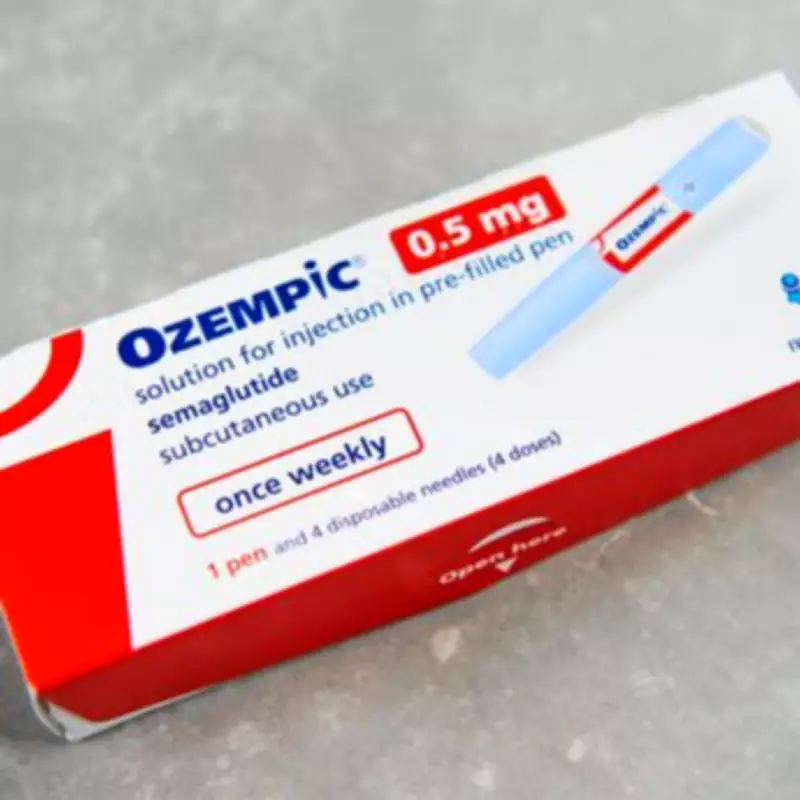
Medical authorities have issued a critical new health alert targeting individuals using medications such as Ozempic and Wegovy. Health experts are urging immediate action for anyone experiencing a rare but severe symptom that demands urgent medical intervention.
Serious Vision Complication Identified
Concerns have escalated regarding a rare sight issue that can cause sudden vision loss in one eye among patients taking semaglutide. The Medicines and Healthcare products Regulatory Agency (MHRA) has now formally advised all users of these medications to remain vigilant for abrupt vision problems.
In an alert released on Thursday, the MHRA highlighted that these drugs may carry an extremely small risk of developing Non-Arteritic Anterior Ischemic Optic Neuropathy (NAION). This condition necessitates prompt treatment at either an eye casualty department or an accident and emergency unit.

Understanding Semaglutide and Its Uses
Semaglutide is a glucagon-like peptide-1 receptor agonist (GLP-1RA) marketed under brand names including Ozempic and Rybelsus, primarily prescribed for managing type 2 diabetes. It is also available as Wegovy, which is utilised for weight management and reducing cardiovascular risks in overweight or obese patients.
Detailed Symptoms and Immediate Actions
The MHRA's alert provides specific guidance: NAION is an extremely rare ischemic event resulting from reduced blood flow to the front portion of the optic nerve, typically causing sudden, painless vision loss in one eye. Patients who have experienced NAION often describe it as a blurring or cloudiness of vision.
The agency strongly advises: Patients taking semaglutide who notice any change in their eyesight, such as sudden impairment or rapid worsening in one or both eyes, should urgently attend eye casualty (if available locally) or A&E.
Official Statement from MHRA Leadership
Dr Alison Cave, the MHRA's Chief Safety Officer, emphasised: Patient safety is the MHRA's top priority, and we continuously monitor the safety and efficacy of all licensed medicines. While the potential risk of NAION for patients prescribed semaglutide is extremely small, it is crucial that patients and healthcare professionals remain alert to the associated symptoms.
She added: If you, or someone you care for, is taking semaglutide and you notice sudden loss of vision in one eye, we advise you to urgently attend eye casualty (if available in your area) or A&E and report it via our Yellow Card scheme.
Context of Recent Warnings
This latest warning follows recent advisories about other uncommon but potentially serious side effects associated with GLP-1 drugs. Approximately 1.6 million people in the UK have utilised these injections over a roughly 12-month period to aid weight loss.
Just last week, the MHRA cautioned users of GLP-1 medications, such as Ozempic, Wegovy, and Mounjaro, to be aware of extreme, persistent pain in the stomach and back, which could indicate acute pancreatitis. This condition involves inflammation and swelling of the pancreas, a small organ located behind the stomach.
While most individuals with acute pancreatitis typically recover within about a week without further issues, some may develop more severe complications. Speaking on the matter previously, Dr Cave noted: For the vast majority of patients prescribed GLP-1s, they are safe and effective medicines that deliver significant health benefits.
She reiterated: The risk of developing these severe side effects is very small, but it is essential that patients and healthcare professionals are aware and alert to the associated symptoms.
Comprehensive guidance on potential side effects of semaglutide and instructions for its safe and effective use are accessible through official health resources.