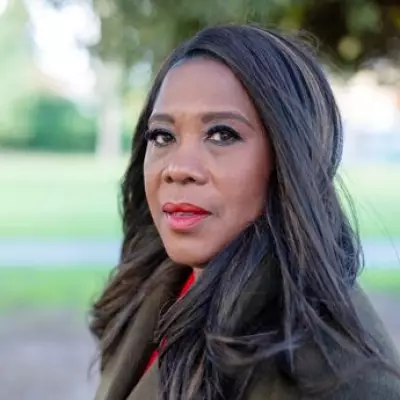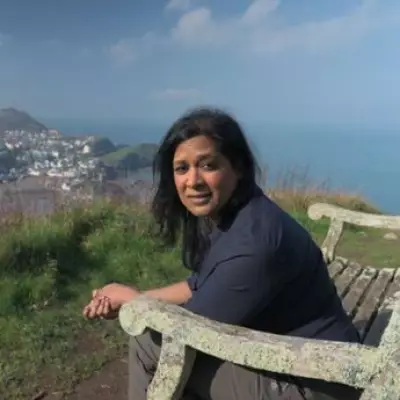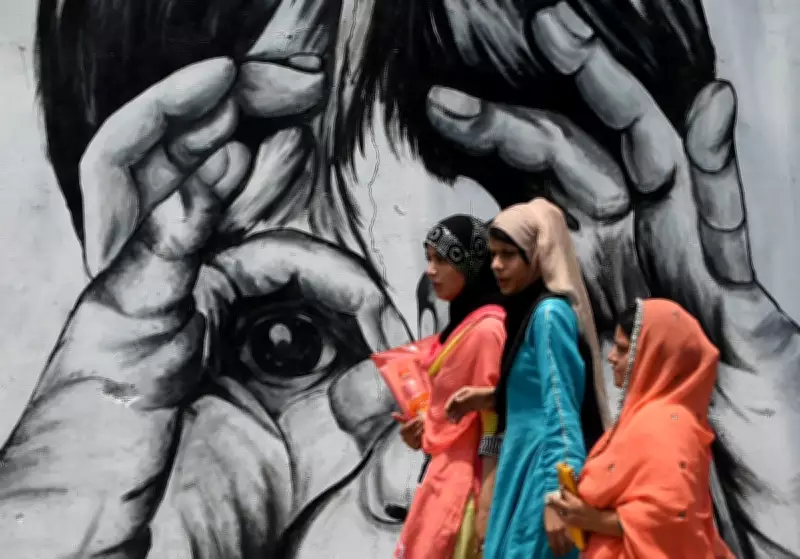
Women walk past a street mural in Lahore, a scene that contrasts sharply with the stark reality of reproductive health autonomy in Pakistan. A recent United Nations report has uncovered a troubling statistic: approximately two-thirds of women in the country have no control over decisions regarding their reproductive health. This finding highlights deep-seated societal pressures that often measure a woman's value through the lens of motherhood.
Personal Encounters with Societal Expectations
In a personal account, a married Pakistani woman shares her experience of defying the norm by choosing not to have children. During a routine medical consultation for a urinary tract infection, the conversation quickly shifted when she revealed she had no children. The doctor's question, "You do want children, right?" carried an implicit assumption that not desiring offspring was abnormal. This interaction left the woman feeling pressured and later frustrated with her own acquiescence to societal expectations.
The Weight of Cultural Norms
Living in Pakistan, women frequently face intrusive inquiries about their reproductive plans from relatives, strangers, and even service providers like drivers. Terms such as "baanjh" (infertile) are casually used, stigmatising those who delay or reject motherhood. The narrative extends beyond personal interactions, permeating media and political discourse. Pakistani television dramas often portray child-free women in negative lights, while political leaders have made statements that conflate feminism with a degradation of motherhood, reinforcing traditional roles.

Healthcare and Policy Gaps
The UNFPA's State of World Population 2025 report underscores the lack of autonomy, with two in three Pakistani women unable to make independent reproductive health decisions. Despite this, there is no national policy or widespread public discussion supporting women who opt to remain child-free. Fertility is typically promoted without question, and access to contraceptive counselling that emphasises personal choice is limited, even in urban areas. In rural regions, rigid gender roles and scarce reproductive education exacerbate the pressure.
Emotional and Rational Decision-Making
The woman describes her journey from envisioning motherhood to choosing a child-free life due to emotional and practical considerations. Balancing careers as an author, poet, and journalist, she felt unable to provide the necessary emotional presence for a child. Her husband shared concerns about bringing a child into a world facing crises and climate collapse. Together, they considered alternatives like adoption or volunteering, but their decision met with disapproval from others, including offers of spiritual remedies and accusations of being too career-focused or westernised.
Global Context and Personal Resolution
Globally, more women are choosing child-free lives, often framed as a crisis in countries like the US, UK, and Japan due to declining birthrates. However, for many, fulfilment comes from different sources. The woman reflects on feeling isolated when friends who once vowed to remain child-free announced pregnancies, but she now finds strength in her choice. She emphasises that her worth is not defined by motherhood, and she holds space for other forms of love and care. If faced with the same doctor today, she would confidently assert her decision without apology.