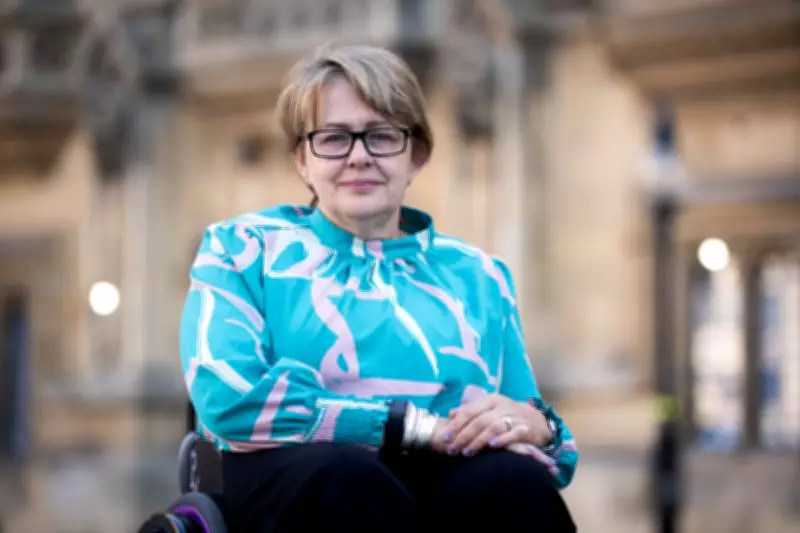
Paralympian Tanni Grey-Thompson Opens Up About Disordered Eating
Paralympian Baroness Tanni Grey-Thompson has spoken publicly for the first time about her personal experience with disordered eating during her professional athletic career. The crossbench peer made the revelation during a House of Lords debate on the Terminally Ill Adults (End of Life) Bill, where she shared intimate details of her struggle to maintain an extremely low competition weight.
"Carefully Managed and Adjusted" Eating Patterns
Lady Grey-Thompson told her colleagues in the upper chamber that she "carefully managed and adjusted" her eating to maintain her race weight of just 45 kilograms - approximately the same weight as an average 11-year-old girl. The former wheelchair racer explained that this extreme weight management was necessary for her sport, where power-to-weight ratio was critically important for performance.
"I think I probably had disorderly eating behaviour rather than a diagnosed eating disorder," she stated during the parliamentary proceedings. "In terms of, I very carefully managed and adjusted my eating in terms of trying to achieve my goals."

Athletic Pressure and Physical Consequences
The gold medallist described the intense pressure athletes face regarding body composition measurements, noting that skinfold tests and body fat percentages directly impacted both performance metrics and continued funding. She revealed having a custom-built racing chair specifically designed around her 45-kilogram frame, creating additional pressure to maintain that exact weight throughout her competitive years.
Lady Grey-Thompson also disclosed that she "vomited regularly" during training sessions, with one dentist asking her bluntly if she was bulimic. "If I was, I don't think that would have been the way to address it," she remarked about the insensitive questioning.
Assisted Dying Bill Amendments and Safeguards
Her personal testimony came as peers debated amendments to the Terminally Ill Adults (End of Life) Bill, which would provide terminally ill adults with less than six months to live access to assisted dying. During the Bill's ninth committee day, peers agreed to include additional safeguards specifically preventing those with anorexia from qualifying for an assisted death.
Lord Falconer of Thoroton, who is leading the Bill in the Lords, explained: "The matter was raised in the Commons, and an amendment was agreed at report, because everybody agreed that people with anorexia should not be able to get themselves into eligibility." The amendment ensures that those who develop illness or disease as a result of not eating or drinking will also be exempt from accessing an assisted death.
Concerns About Remaining Loopholes
Despite the anorexia safeguard, Lady Grey-Thompson expressed concern about what she termed a "bulimia loophole" in the legislation. She emphasized that anorexia represents only about 8% of eating disorders, urging lawmakers to consider broader protections for those suffering from bulimia and other conditions.
Labour peer Baroness Berger echoed these concerns, welcoming the anorexia amendment but noting: "Bulimia, we know, is far more common, but it can also be fatal, with well-established risks, including sudden cardiac death, severe electrolyte disturbance, and a rupture of the oesophagus."
Celebrity Support and Wider Concerns
The debate follows previous warnings from public figures about the Bill's potential risks to people with eating disorders. In November, actress Sophie Turner, who has spoken openly about her own eating disorder challenges, was among signatories to a letter sent to peers expressing concerns during their scrutiny of the draft legislation.
Lady Grey-Thompson has consistently raised concerns about the assisted dying legislation, describing it as "a risk to disabled people" in its current form. Her personal disclosure adds significant weight to ongoing discussions about how the Bill should protect vulnerable individuals with various forms of disordered eating.

Liberal Democrat Baroness Parminter supported the anorexia safeguard amendment, calling it "a reasonable safeguard for the very vulnerable, often young women who suffer from anorexia, which is an appalling, appalling disease." The amendment passed in the chamber on Friday, though concerns remain about broader eating disorder protections.