Pensioner's Death Raises Cholera Alarm in First UK Incident for 125 Years
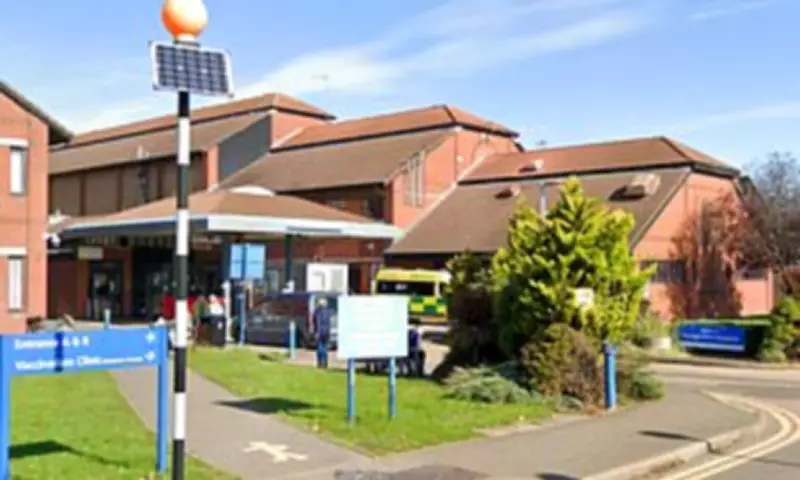
A pensioner in his 80s has tragically passed away after contracting a bacterial infection, with initial fears pointing to cholera—a disease not seen in Britain for over a century. The unnamed father-of-two died on Tuesday at George Eliot Hospital in Nuneaton, surrounded by his family, following a rapid deterioration in his health.
Sudden Illness and Hospital Admission
The man fell ill approximately a week ago at his home and was admitted to the Warwickshire-based hospital when his condition worsened swiftly. Doctors suspected cholera, a waterborne disease that caused widespread fatalities during the Victorian era and continues to claim lives in parts of Africa today. If confirmed, this would have been the first cholera-related death in the UK since 1901.
Official Confirmation and Family's Anguish
The UK Health Security Agency later identified the cause of death as Non-toxigenic Vibrio cholerae, a type of bacteria related to cholera but less severe. A source close to the family revealed to The Sun that they are baffled by how he contracted the infection, as he had not traveled abroad recently and lived at home with his youngest son. The source described the ordeal as "incredibly dramatic," noting that doctors warned on Sunday he might have only hours to live, and he clung on until Wednesday before succumbing.

Understanding Cholera and Its Historical Context
Cholera is an intestinal infection caused by ingesting food or water contaminated with Vibrio cholerae bacteria. It has a short incubation period of less than one day to five days and leads to symptoms such as copious, painless watery diarrhoea and vomiting, which can result in severe dehydration and death if not treated promptly.
In the UK, cholera is now rare due to advancements in safe drinking water and sanitation, which eradicated the terrifying outbreaks of the 1800s. The disease does not spread through casual contact like coughing or sneezing but via contaminated water used for drinking, food preparation, or handwashing. Preventive measures include washing hands with soap and water and consuming boiled tap water.
Historical Impact and Modern Relevance
During the Victorian era, cholera killed over 100,000 people in the UK between 1831 and 1865. Today, according to the NHS, it can be contracted from unclean water or food handled by infected individuals, with symptoms including diarrhoea, nausea, vomiting, stomach pain, and dehydration. Treatment primarily involves fluid intake, especially rehydration solutions.
This case underscores the ongoing importance of public health vigilance, even as such diseases have become uncommon in developed nations like Britain.