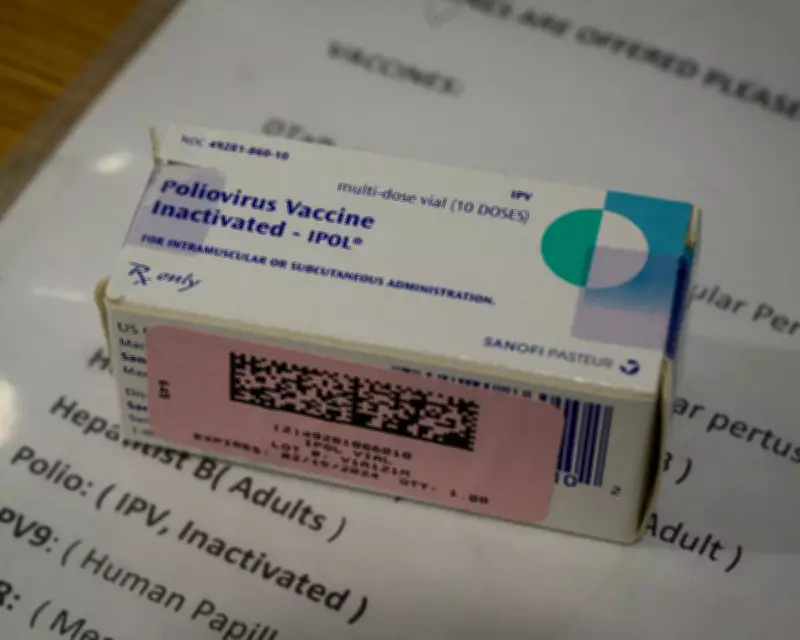
US Polio Resurgence Fears as Vaccine Adviser Questions Childhood Shots
Concerns are mounting over a potential resurgence of polio in the United States, triggered by a top vaccine adviser questioning the necessity of routine childhood immunizations. With preventable infectious diseases on the rise, experts are bracing for more cases, while survivors warn that the healthcare system is ill-prepared to handle an outbreak.
Grace Rossow, an operating-room communications coordinator in Illinois who contracted polio as an infant, expressed grave doubts about the medical infrastructure. "We don't have a healthcare infrastructure to take care of a polio outbreak," she said. "They don't know how to treat it. It is a massive problem if we have a resurgence of polio."
No Cure and a Lost Medical Art
Polio has no cure, with treatment for acute cases limited to supportive care. Between a quarter and a half of patients develop post-polio syndrome, a lifelong condition. However, the success of vaccines has made doctors with firsthand experience increasingly rare.

Art Caplan, a professor of medical ethics at NYU Grossman Medical School, was one of the last Americans to contract polio during the Boston outbreak in the 1950s. He recalled spending six months in a hospital ward, witnessing children die or rely on iron lungs. "There's nobody left. They don't see it," Caplan said, noting that polio experts have retired over the decades.
Gordon Allan, a surgeon at Southern Illinois University School of Medicine, echoed this sentiment. "No one practicing has first-hand experience," he said, describing complex procedures like tendon transfers as a "lost art." Post-polio patients face weakening muscles, bone deformities, and high risks from surgeries, making prevention through vaccination critical.
Survivors' Struggles and Warnings
Rossow, who uses a wheelchair due to paralysis from polio contracted in an Indian orphanage, highlighted barriers to care. "I've had neurologists who just don't know anything about polio because they've never seen it," she said. She described polio as the "hold my beer" of medicine, where conventional treatments often fail.
"The polio vaccine has absolutely been a victim of its own success," Rossow added. "People aren't scared of polio any more, and they don't understand the risks. The only thing to fix polio is the polio vaccine."
Vaccine Reconsideration Sparks Fury
Caplan expressed anger over comments by Kirk Milhoan, chair of the Advisory Committee on Immunization Practices, who suggested reconsidering routine childhood vaccines due to reduced disease risks. "If you could gather up the kids I saw die or become really severely disabled from 50 years ago, they would want you arrested," Caplan said. "It's horrifying, and the height of irresponsibility to leave the door open even a crack."
As more families opt out of vaccination, particularly after the US stopped fully recommending several key vaccines, Caplan warned, "You are begging to have a recurrence of the disease." Rossow cautioned that antivax families, often in insular communities, are most at risk. "You could really get polio under way before anybody realized that it was there," Caplan said, urging preparation with vaccine reserves.