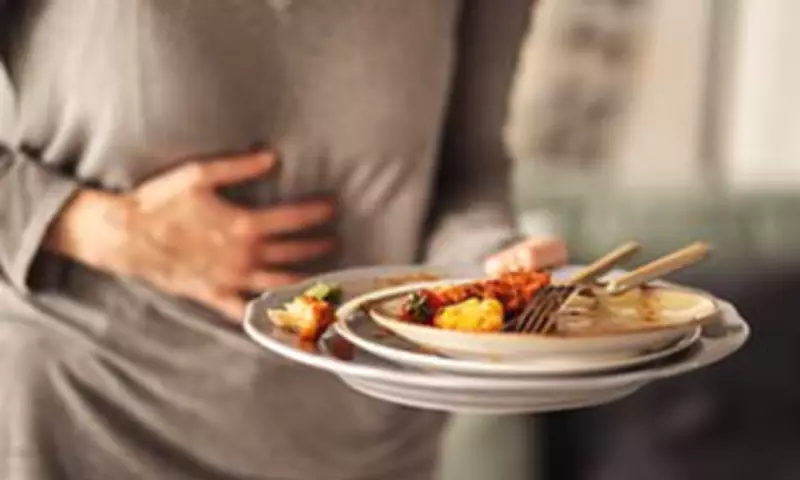
Feeling bloated, gassy, or experiencing indigestion after a meal is a widespread issue, affecting an estimated 43 per cent of Britons. While many attribute these discomforts to dietary choices, emerging research points to a simple, outdoor solution: taking a walk after eating. This practice, often humorously referred to as a 'fart walk' on social media, involves a five to 20-minute stroll post-meal to alleviate digestive woes.
The Science Behind Post-Meal Walking
Contrary to the traditional advice of resting after a meal, studies show that light physical activity immediately or shortly after eating can significantly benefit both digestion and blood sugar management. Deborah Luciano, a personal trainer and nutrition coach, explains that digestion is a comprehensive bodily process involving stomach acid production, enzyme release, gut motility, blood flow, and hormone responses, all of which are influenced by movement.
How Walking Aids Digestion
Gentle walking acts as a natural stimulator for the digestive tract, promoting gut motility known as peristalsis. This wave-like muscle movement helps move food through the gut, reducing bloating and pressure while supporting a steadier metabolic response. Luciano notes, "How, or if, you move after meals can either support this process or slow it down."

Benefits for Specific Conditions
Post-meal walks are particularly advantageous for individuals with diabetes or insulin resistance, as they can reduce the usual glucose spike that occurs within 30 to 60 minutes after eating. Additionally, Luciano highlights that this habit can aid those with reflux, functional bloating, slow digestion, or constipation, and may alleviate post-meal sleepiness or sluggishness.
Common Post-Meal Habits to Avoid
Understanding the benefits of walking sheds light on why other common post-meal practices might be detrimental. Lying down or slumping in a chair after eating can pressure distended stomachs and impair peristalsis. Smoking is harmful due to nicotine thinning gastric mucous, increasing susceptibility to stomach acids and risks like gastritis and peptic ulcers, while also inhibiting nutrient absorption.
Although peppermint tea can aid digestion, drinking green or black tea post-meal is not recommended. Tannins in these teas can inhibit iron absorption, and caffeine may worsen anxiety and heartburn.
Practical Tips for Incorporating Post-Meal Walks
The NHS suggests that even a brief walk of two to five minutes after finishing a meal can yield benefits. Luciano emphasizes consistency over intensity, stating, "Regular short walks after meals often work better than occasional long ones." For those with busy schedules or limited space, alternatives include:
- Light stretching
- Slow stair walking
- Using a walking pad
- Engaging in small household tasks
The goal is to avoid prolonged stillness after eating; even pacing while on the phone or light tidying can support digestion. For individuals feeling overly full or prone to acid reflux, waiting an extra 10 to 15 minutes before walking may enhance comfort.
In summary, a simple post-meal stroll offers a natural, effective way to combat digestive discomfort, making it a valuable habit for overall health and well-being.