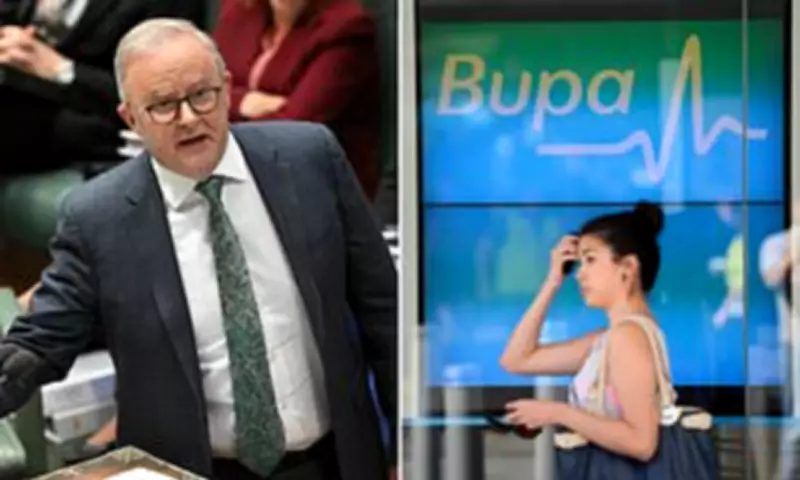
Private health insurance customers across Australia are facing significant financial pressure as the latest premium increase has been officially confirmed. Health Minister Mark Butler announced that premiums will rise by 4.41 per cent from April 1, marking a notable jump from the previous year's increase of 3.73 per cent.
Largest Single-Year Rise in Nearly a Decade
This increase represents the largest single-year rise in private health insurance premiums since 2017, when premiums increased by 4.84 per cent. The Albanese government has greenlit this adjustment, which comes at a time when many Australians are already grappling with higher mortgage payments due to recent interest rate rises.
Rising Costs Driving Premium Hikes
Minister Butler explained that the premium rise reflects escalating costs for medical and hospital services, including increased wage bills. He emphasised that the government is mindful of the financial strain these changes place on households. 'The government understands the pressure health insurance premium changes put on Australians and decisions about private health insurance premiums must put consumers first,' he stated in a Tuesday announcement.

He further noted that this premium round was guided by his commitment to maintain the value of private health insurance for Australians while ensuring the sector supports private hospitals facing rising costs and significant challenges.
Impact on Millions of Australians
It is estimated that more than 15 million people in Australia hold private health insurance policies. In the year ending September, insurers paid out over $26 billion in health and medical costs, underscoring the substantial financial flows within the sector.
Government Calls for Transparency and Fair Pricing
Mr Butler revealed that he had rejected previous requests from private health insurance companies for larger increases, advocating instead for consumer protection. 'Australians deserve transparency, fair pricing and confidence their premiums are being directed where they are needed most,' he asserted.
He called on insurers and hospitals to collaborate on cost-reduction efforts and to minimise future price increases. 'I expect private health insurers and hospitals to work hard to bring down costs and keep future price increases to a minimum,' he added, highlighting the need for sector-wide responsibility.
This premium increase, which exceeds the current inflation rate, adds to the financial burdens faced by many Australians, particularly amidst broader economic pressures. The government's approval signals a balancing act between supporting the healthcare system and protecting consumers from excessive costs.