Families of QEUH Victims Unite in Urgent Safety Warning to Scottish Government
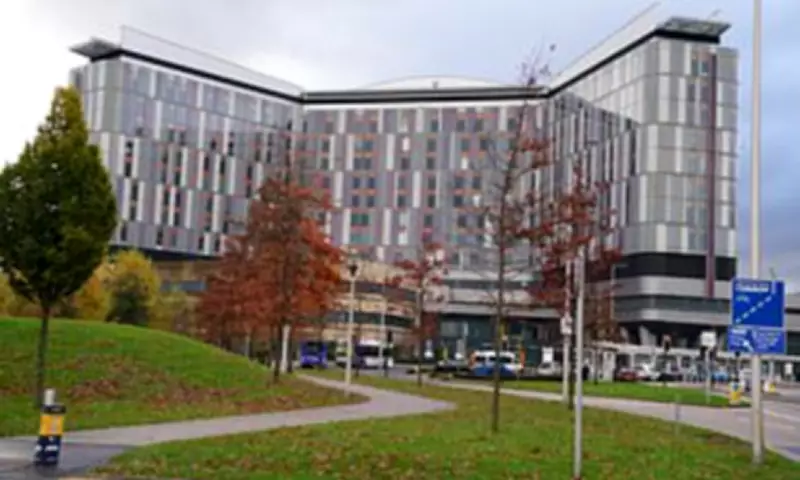
In an unprecedented move, grieving relatives of patients who died at the scandal-plagued Queen Elizabeth University Hospital in Glasgow have joined forces for the first time. A group of ninety-one individuals, representing families of twenty-seven patients, has issued a direct warning to First Minister John Swinney that the £1 billion hospital site remains unsafe.
Direct Appeal for Immediate Intervention
The families have written a joint letter to the First Minister, calling for urgent intervention to prevent further tragedies. They demand the dismissal of what they describe as inept NHS bosses and accuse the Scottish Government of hiding behind an ongoing public inquiry to avoid answering critical questions. The letter states: "We believe it is right that you hear our position, in our words…direct from the people who have lost their children, their soul mates and those whose lives have been forever changed."
It continues: "While our journeys started at different times…we share one common aim – no family should ever again go through what we have." The families are calling for the immediate release of secret reports on the hospital's condition, both historical and current, and for concrete actions to make the flagship facility safe.

Background of Controversies and Denials
This intervention follows recent revelations that former Chief Nursing Officer Fiona McQueen allegedly attempted to offer a grieving family £20,000 and a holiday during a phone call about their deceased baby daughter—a claim Ms. McQueen has strenuously denied. Additionally, NHS bosses have now admitted a probable link between infections in child cancer patients and the hospital's contaminated water system, after denying any connection for seven years.
Documents uncovered show that the Scottish Government received fourteen critical infection warnings before the scandal became public, with no apparent action taken. Last week, Health Secretary Neil Gray avoided questions about the facility by citing the public inquiry into QEUH problems.
Concerns Over Secrecy and Safety Standards
The First Minister and Health Secretary have claimed that NHS Greater Glasgow and Clyde received two "positive" reports on the QEUH's current water and ventilation systems. However, these documents have not been made public and were instead passed to a newly-established oversight board that includes the current NHSGGC chief executive.
The families expressed skepticism, noting that despite promises of involvement, none have been contacted. They stated: "It suggests our involvement without any one of us being contacted. Are we an afterthought or are you deliberating how to minimise our voice?" They added that the oversight board "does little to quell our concerns" and the non-publication of reports "appears to us as unnecessary secrecy."
Specific Safety Issues Highlighted
Ministers face pressure to explain why the hospital has not undergone validation—a formal safety assurance process. Families argue that the ventilation system poses a risk to patients with weakened immune systems, as most wards have not been validated and ventilation rates operate below recommended levels for vulnerable patients.
The letter details: "Of importance to every patient, past and future, is that the air change rate in the majority of rooms…is less than half that specified in national guidance." They criticized the government for repeating NHSGGC's claims about substantial works without providing documentation: "Scottish Government have repeated GGC’s line that substantial works have been carried out, but the nature of these works remain publicly unsaid and undocumented."
Urgent Call to Action
The families urged immediate action to bring the hospital up to national standards, emphasizing: "The families cannot comprehend any delay, when lives are at stake…The only thing we have delayed is own grief and trauma to ensure others do not suffer the same fate. The whole QEUH must be validated…as soon as possible."

Among the signatories are relatives of patients involved in a corporate homicide probe, including Gail Armstrong, Milly Main, Andrew Slorance, Tony Dynes, and Molly Cuddihy. Others include families of patients who developed rare infections during cancer treatment, such as nine-year-old Paige and fourteen-year-old Charly.
A Scottish Government spokeswoman responded that the public inquiry was established "so families and patients can get the truth they deserve" and thanked the families for their letter, acknowledging their dedication despite the distress involved.