Scientists Issue Urgent Warning Over Growing Global Threat From Free-Living Amoebas
Scientists Warn of Growing Global Threat From Free-Living Amoebas

Scientists Sound Alarm Over Growing Global Health Threat From Free-Living Amoebas

Medical researchers and microbiologists are issuing an urgent call for increased awareness and action regarding free-living amoebas – a little-known group of single-celled organisms that could represent a significant and growing threat to global public health. These microscopic creatures, which include the notorious Naegleria fowleri commonly known as the "brain-eating amoeba," are raising serious concerns among the scientific community as environmental conditions become more favourable for their spread.

Understanding Free-Living Amoebas: Nature's Shape-Shifters

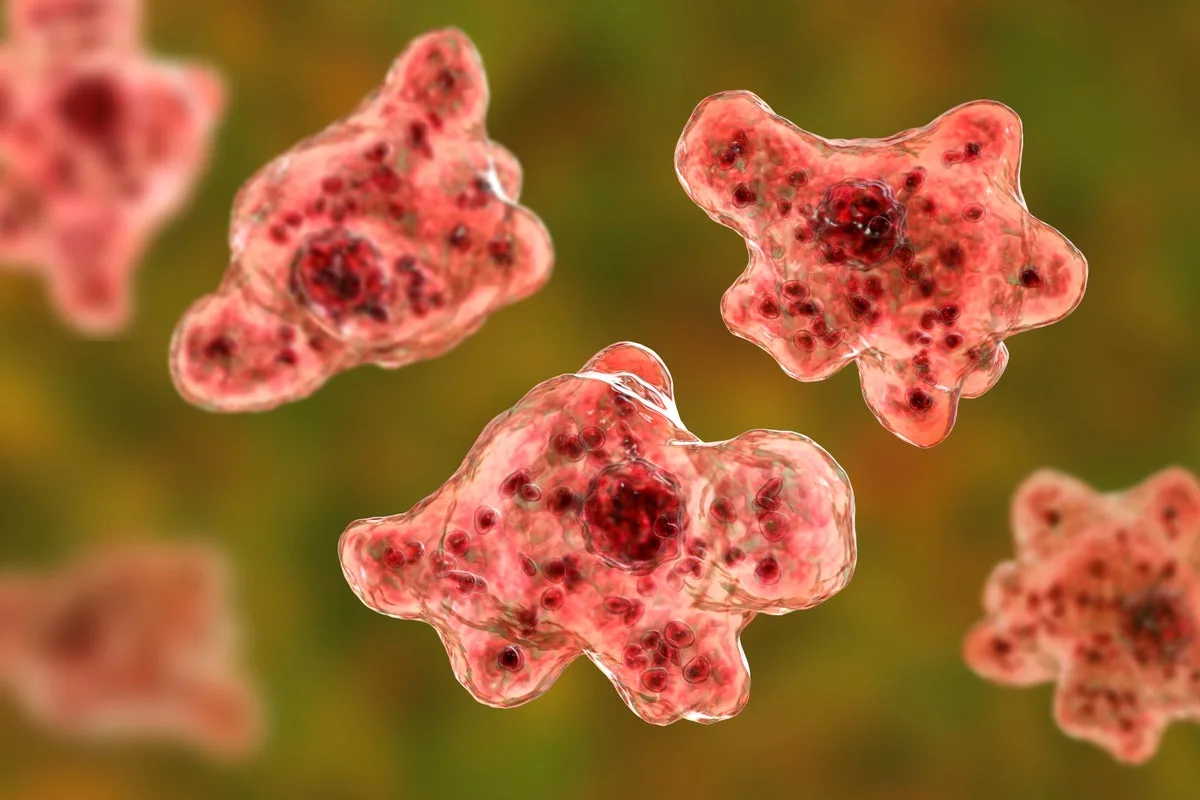
Free-living amoebas are remarkable single-celled organisms that exist independently in the environment without requiring a host organism to survive. These microscopic creatures inhabit diverse aquatic and terrestrial environments, from soil and puddles to lakes, rivers, and even man-made water systems. What makes them particularly fascinating – and concerning – is their unique biological capability to change shape and move using temporary arm-like extensions called pseudopodia, literally meaning "false feet." This adaptability allows them to thrive in an astonishing range of environmental conditions.

The Notorious 'Brain-Eating Amoeba': A Rare But Deadly Threat

The most infamous member of this group is Naegleria fowleri, which has earned its terrifying nickname through its devastating effects on human health. This particular amoeba naturally inhabits warm freshwater environments, typically thriving in temperatures between 30°C and 40°C – conditions commonly found in lakes, rivers, and hot springs. While rarely encountered in temperate countries like the United Kingdom due to colder climatic conditions, its presence in warmer regions poses a significant health risk.

Infection occurs when contaminated water enters through the nasal passages, usually during swimming or water-related activities. From this entry point, the amoeba travels along the olfactory nerve to the brain, where it causes primary amoebic meningoencephalitis (PAM) – a rapidly progressing and devastating infection that destroys brain tissue. The mortality rate for this condition remains alarmingly high at 95%-99%, with only a handful of survivors documented worldwide.

Beyond Brain Infections: Multiple Health Risks

While Naegleria fowleri captures most public attention due to its dramatic effects, free-living amoebas pose multiple other health threats that deserve serious consideration:

  • Eye infections: Particularly concerning for contact lens users who may expose their eyes to contaminated water
  • Skin lesions: Especially problematic for individuals with compromised immune systems
  • Systemic infections: Rare but serious conditions affecting organs including lungs, liver, and kidneys

The Trojan-Horse Effect: Amoebas as Microbial Shields

Perhaps one of the most concerning aspects of free-living amoebas is their ability to act as protective vessels for other dangerous pathogens – a phenomenon scientists term the "Trojan-horse effect." While amoebas normally consume bacteria, fungi, and viruses as part of their natural feeding behaviour, certain dangerous pathogens have evolved to survive and even multiply within these microscopic hosts.

Notable examples include:

  1. Mycobacterium tuberculosis: The bacterium responsible for tuberculosis
  2. Legionella pneumophila: The causative agent of Legionnaires' disease
  3. Cryptococcus neoformans: A fungus that can cause potentially fatal fungal meningitis
  4. Human norovirus and adenovirus: Common causes of gastrointestinal and respiratory infections

By sheltering these pathogens within their cellular structures, amoebas provide protection from environmental stresses and disinfection processes, potentially helping dangerous microbes survive longer in water systems and even contributing to the spread of antibiotic resistance.

Climate Change: Expanding the Threat Zone

Environmental scientists are increasingly concerned that climate change is exacerbating the threat from free-living amoebas by creating more favourable conditions for their proliferation. As global temperatures continue to rise, the habitable zones for heat-loving species like Naegleria fowleri are expanding into regions previously considered too cool for their survival. This geographical expansion potentially exposes larger populations to these organisms through recreational water activities.

Several recent outbreaks linked to recreational water exposure in multiple countries have already raised significant public health concerns. The combination of warmer waters, extended warm seasons, and increased human interaction with natural water bodies makes controlling these risks more challenging than ever before.

Water System Vulnerabilities and Detection Challenges

Most public and private water systems do not routinely test for free-living amoebas, creating significant gaps in our protective measures. These organisms present particular challenges for detection and elimination:

  • They can form protective cysts that resist standard disinfection methods
  • They frequently hide within biofilms – complex communities of microorganisms that form inside pipes and water systems
  • Specialised testing methods are required for accurate detection, making routine monitoring expensive and technically demanding

Current water safety protocols typically rely on maintaining proper chlorination levels, regular system flushing, and general disinfection practices rather than direct testing for these specific organisms. While some guidance exists for high-risk areas, comprehensive monitoring remains far from standard practice across most water networks.

Practical Protection Measures for the Public

Despite the concerning nature of these organisms, practical steps can significantly reduce infection risks:

  1. Recreational water safety: Avoid putting your head underwater in warm freshwater bodies during hot weather, consider using nose clips when swimming, and choose well-maintained, properly chlorinated swimming pools
  2. Home water systems: Ensure proper maintenance, regular flushing of hot water systems, and adequate heating to discourage amoeba growth
  3. Contact lens hygiene: Follow strict cleaning protocols and never rinse lenses with tap water
  4. Nasal rinsing: Use only sterile, distilled, or previously boiled water for any nasal irrigation procedures

It's crucial to understand that infection cannot occur through drinking contaminated water, as the digestive system destroys these organisms. The risk specifically involves water entering the nasal passages.

The Path Forward: Integrated Approaches Needed

Addressing the threat from free-living amoebas requires a holistic, integrated approach that bridges environmental science, water management, and clinical medicine. These organisms don't fit neatly into traditional medical or environmental categories, necessitating collaborative efforts across multiple disciplines.

Researchers continue to develop improved detection methods, while medical professionals work to enhance early recognition of infections. Environmental monitoring, combined with clear public communication about risks and protective measures, represents our best defence against these microscopic threats in a changing climate.

About the author: Manal Mohammed is a Senior Lecturer in Medical Microbiology at the University of Westminster. This article draws upon research originally published in The Conversation under a Creative Commons license.