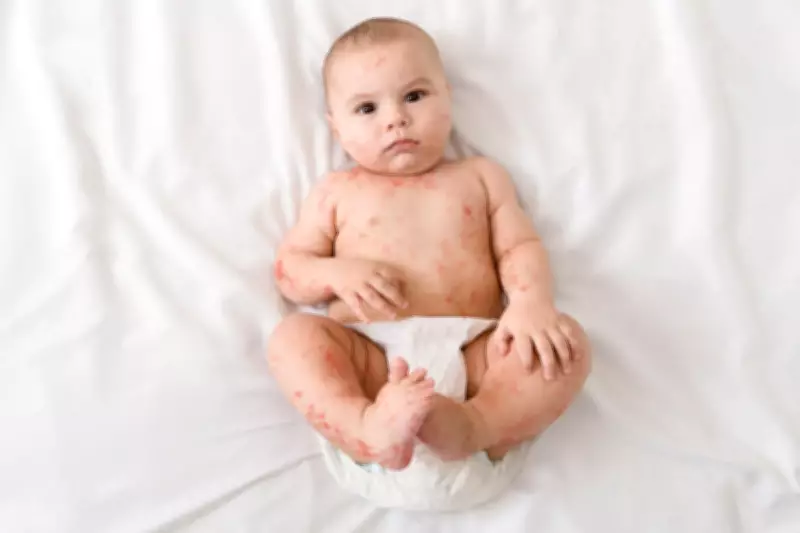
Measles Outbreak in London Prompts Urgent Health Warning for Parents
A significant measles outbreak is currently affecting schools in north-east London, with the UK Health Security Agency confirming hospitalisations among children under 10. The highly contagious disease has primarily impacted unvaccinated young children, raising alarms among parents and health officials.
From January 1 to February 9, the UKHSA reported 34 laboratory-confirmed measles cases in Enfield, while more than 60 suspected cases have been identified across seven schools and a nursery in the area. This developing situation underscores the critical importance of recognising early symptoms and ensuring vaccination.
Six Subtle Early Symptoms of Measles in Children
Dr. Henrik Premasundaram, a GP at HCA Healthcare UK, emphasises that measles can often be mistaken for common illnesses. He provides detailed guidance on identifying these early, subtle signs to help worried families know when to seek medical attention.

- Cold-Like Symptoms
"In the initial phase, typically days one to four, children with measles exhibit cold-like symptoms including cough, fever, runny nose, and sore, red, watery eyes," explains Dr. Premasundaram. "However, these children tend to appear more unwell, fatigued, and miserable compared to those with typical viral infections."
- Light Sensitivity
"Children experiencing sore, watery eyes often become more sensitive to light, which isn't usually associated with simple colds," notes Dr. Premasundaram.
- High Fever
"A persistently high fever is a key indicator of measles, frequently rising over the first few days of illness," he states.
- Loss of Appetite
"Reduced appetite or decreased fluid intake can be another subtle sign in children with measles," Dr. Premasundaram adds.
- Rash Development
"Between days four and five, a rash typically emerges, starting on the face and behind the ears before spreading to the body, trunk, arms, and legs," describes Dr. Premasundaram. "The fever often peaks when the rash appears. According to the NHS, these spots may be raised and merge into blotchy patches, though they're usually not itchy."
- Koplik's Spots
"Some children develop small white spots inside their mouth before the full-body rash appears," says Dr. Premasundaram. "Known as Koplik's spots, these are very specific to measles and typically appear inside the cheeks and on the back of the lips, lasting several days."
Contagious Nature and Complications of Measles
"Measles is highly contagious and can spread rapidly from approximately four days before the rash appears until four days after," warns Dr. Premasundaram. "If you suspect your child has measles, try to isolate them safely. Unvaccinated or high-risk family members should avoid contact as much as reasonably possible."
The disease spreads through breathing, coughing, or sneezing. The NHS recommends preventive measures such as opening windows, using and immediately disposing of tissues, and frequent handwashing with soap and warm water.
Regarding potential complications, Dr. Premasundaram cautions, "Measles can lead to serious issues including breathing problems, infections, and brain complications. The NHS notes additional risks like pneumonia, meningitis, blindness, and seizures."
When to Seek Medical Advice and Treatment Options
"Seek medical advice if your child becomes more sleepy, difficult to rouse, experiences breathing difficulties, persistent wheezing, or has a high, unimproving fever," advises Dr. Premasundaram. "Additionally, any unvaccinated child or one in contact with a known case should definitely seek medical attention."
"There's no specific antiviral treatment for measles, so management is primarily supportive," he explains. "After consultation with a GP, children are advised to drink plenty of fluids to prevent dehydration, rest, and use paracetamol or ibuprofen to reduce fever."

Prevention Through MMR Vaccination
"The most effective prevention is the MMR vaccine, which protects against measles, mumps, and rubella," emphasises Dr. Premasundaram. "Two doses provide strong protection, with the first typically given after 12 months and the second around three years as a pre-school booster."
"If your child isn't vaccinated, consult your GP. This vaccine is highly effective and extensively researched. However, because measles is extremely infectious, maintaining high vaccine uptake is essential to prevent outbreaks like the one currently affecting London."