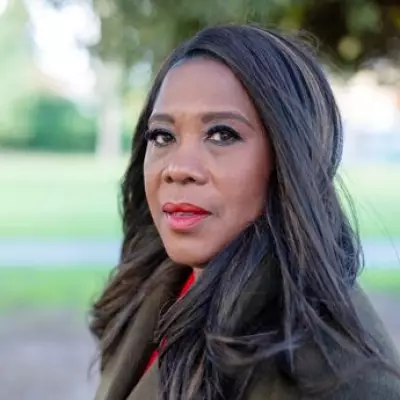
Prime Minister Sir Keir Starmer has voiced strong support for a campaign aimed at lowering the age for breast cancer screening in the United Kingdom, following a passionate appeal from an NHS chemotherapy nurse. The initiative, spearheaded by Gemma Reeves, highlights a concerning rise in breast cancer cases among women under 50 and calls for urgent policy changes to enhance early detection efforts.
Campaign Gains Momentum with Political Backing
During a recent Prime Minister's Questions session, Sir Keir Starmer responded to Labour MP Polly Billington, who raised Gemma Reeves' campaign. The Prime Minister affirmed his commitment, stating, "Well, I'd absolutely support that, and I'll make sure she gets a meeting with the relevant minister." He emphasized the critical importance of early diagnosis for all cancers, noting that it should become the norm rather than an exception in healthcare practices.
Polly Billington shared a clip of this exchange on Instagram, captioning it with optimism about advancing the cause with health ministers. This political endorsement has amplified the campaign's visibility, drawing attention to the pressing need for updated screening protocols.

Current Screening Practices and Rising Concerns
Presently, the NHS invites women for their first breast cancer screening between the ages of 50 and 53, with mammograms conducted every three years until age 71. This system is based on historical risk assessments, but Gemma Reeves argues that it fails to address a growing trend of younger patients developing aggressive forms of breast cancer.
Data from Cancer Research UK underscores this concern, revealing a 14.4% increase in breast cancer cases among women aged 25 to 49 between 1993-1995 and 2018-2021. Approximately 9,700 cases were recorded in this age group during the latter period, out of a total of around 57,900 annual diagnoses. While this rise aligns with trends in other age groups, it has prompted calls for the UK to follow the lead of major US health organizations, such as the Mayo Clinic, which recommend annual mammograms starting at age 40.
Petition and Public Support
In response to these statistics, Gemma Reeves launched an online petition that has already garnered over 70,000 signatures. If it reaches 100,000, the petition could trigger a parliamentary debate, potentially influencing policy decisions. Reeves, who works at a hospital in Kent, explained her motivation in an interview, stating, "They need to lower the age with the times. Over the years, I have been noticing more and more younger patients coming in." She highlighted that many young patients are diagnosed at stage four, where cancer has spread, making treatment more challenging.
Reeves also addressed common counterarguments, such as the issue of dense breast tissue in younger women, which can complicate mammogram accuracy. She argued that screening teams should refer patients for additional tests like ultrasounds or MRIs if dense tissue is detected, asserting that the benefits of early detection outweigh the risks of invasive procedures.
Expert Opinions and Government Stance
Despite the campaign's momentum, some medical experts caution against routine screening for women under 50. Dr. Gareth Nye, a Biomedical Science lecturer at the University of Salford, pointed out the higher risk of false positives and misdiagnosis in this age group. He noted, "The issue with screening women younger than 50 is that there is a higher risk of false positives or misdiagnosis, which brings about unnecessary procedures and worry." He added that current screening practices are designed to optimize capture rates based on risk assessments.
The UK Government, through the Department of Health and Social Care, has stated that it currently has no plans to lower the screening age or increase frequency, citing advice from the UK National Screening Committee (UK NSC). However, the UK NSC is reviewing evidence from trials like AgeX, which explores extending screening to women aged 47 to 49 and 71 to 73. A spokesperson mentioned that updates on screening for younger women are expected shortly, alongside initiatives like AI trials to improve mammogram analysis.

Broader Implications and Future Outlook
Cancer Research UK's health information manager, Sophie Brooks, reiterated that while breast screening is vital for early detection, it is not without limitations, such as false results. She advised that individuals with higher risk factors, like family history, may qualify for earlier screening and encouraged anyone with concerns to consult their GP.
As the debate continues, Gemma Reeves remains hopeful that public support and political advocacy will lead to meaningful change. She expressed gratitude for the petition signatures, emphasizing, "On my own, I don't have the power to implement the change." With Sir Keir Starmer's backing and ongoing reviews by health authorities, the campaign highlights a critical intersection of public health, policy, and patient advocacy in the fight against breast cancer.