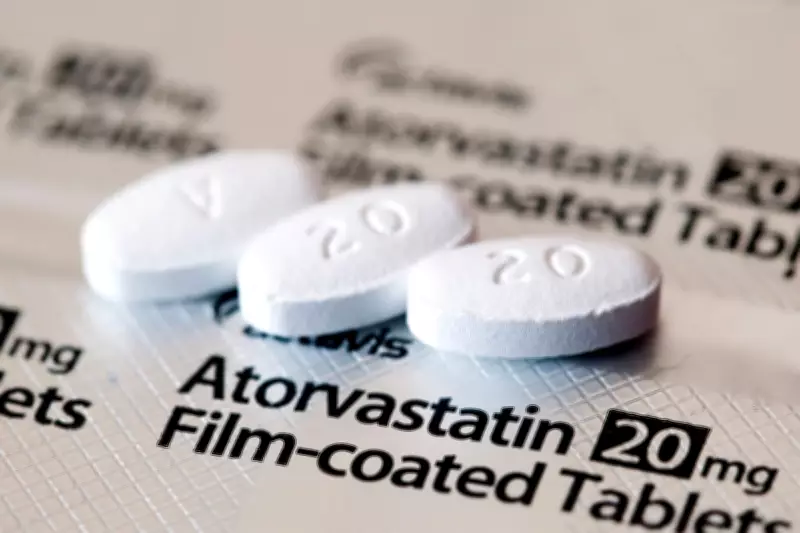
Major Study Challenges Statin Side Effect Claims
New research published in The Lancet has delivered a significant challenge to commonly held beliefs about statin side effects. The comprehensive study examined data from 123,940 individuals across 19 clinical trials, with participants monitored for an average of 4.5 years after beginning treatment. Researchers compared statin effects against placebo and found no significant increased risk for most conditions typically listed as potential side effects in medication leaflets.
The study specifically examined depression, sleep disturbances, fatigue, and headaches – all commonly attributed to statin use – and found the medication itself was not responsible for these symptoms in most cases. This revelation comes as millions worldwide take statins to manage cholesterol and prevent cardiovascular disease.
Understanding Statins and Their Cardiovascular Benefits
Statins are prescription medications designed to lower cholesterol levels and protect arterial health. According to Sindy Jodar, senior cardiac nurse at the British Heart Foundation, "Statins help lower the LDL level, which is often referred to as bad cholesterol, and can also help lower triglyceride levels as well."

By reducing LDL cholesterol in the bloodstream, these medications help prevent plaque buildup in arteries, significantly decreasing the risk of heart attacks and strokes. There are five main types of statins available on NHS prescription in the UK: atorvastatin (Lipitor), fluvastatin (Lescol), pravastatin (Lipostat), rosuvastatin (Crestor), and simvastatin (Zocor).
"You can't choose what specific type of statin you want to go on," explains Jodar. "It's really up to the clinician who will take into account your risk calculation and the side effects to see which one you will benefit from. The most commonly prescribed statin is atorvastatin."
Who Should Consider Statin Treatment?
While high cholesterol levels typically prompt statin prescriptions, Jodar notes that other risk factors also play a crucial role in treatment decisions. "Patients whose cholesterol levels are within a normal range but have a strong family history of premature heart disease, are diabetic, or have high blood pressure, smoke or are overweight might also be prescribed statins," she says.
General practitioners use a comprehensive risk calculation that considers multiple factors including height, weight, blood pressure, cholesterol results, medical history, and family history. If this calculation indicates a 10% or greater risk of developing cardiovascular disease within the next decade, statin therapy is typically recommended.
Although statins are most commonly prescribed to older adults due to age being a significant cardiovascular risk factor, younger patients with exceptionally high cholesterol levels may also receive prescriptions.
Important Considerations and Contraindications
While most adults can safely take statins, certain conditions may make them unsuitable for some individuals. According to NHS guidelines, atorvastatin might not be appropriate for those who have experienced allergic reactions to the medication, have liver or kidney problems, are pregnant or breastfeeding, or have specific lung diseases.
"A statin reduces the production of LDL in the liver, and can sometimes affect liver enzymes," Jodar explains. "So if you've already got deranged liver enzymes, a statin might not be a good option for you."
Additional circumstances requiring careful consideration include previous strokes caused by brain bleeding, regular heavy alcohol consumption, underactive thyroid conditions, previous muscular side effects from statins, muscle disorders including fibromyalgia, and history of myasthenia gravis or ocular myasthenia.
Proper Usage and Lifestyle Integration
Statins are typically taken once daily, usually at night after dinner. Patients beginning statin therapy undergo initial blood tests to establish baseline cholesterol levels and liver function, with follow-up tests scheduled between six months and one year later to monitor progress and safety.

Jodar emphasizes the importance of disclosing all current medications to your GP to prevent potential interactions. She also notes that "it is advised to not have grapefruit while you are on statins because that can impact the effectiveness of the medication."
Perhaps most importantly, statins work most effectively when combined with healthy lifestyle choices. "By just taking statins, you will reduce your cholesterol levels," says Jodar, "but they will be much more effective if you can implement other healthy changes – such as quitting smoking, being physically active, following a balanced and healthy diet – into your lifestyle as well."
The Long-Term Nature of Statin Therapy
Contrary to some assumptions, statins are generally considered lifelong medications for those at significant cardiovascular risk. "It's important to have reviews and ongoing conversations with your GP because they know your individual set of circumstances and risk factors," advises Jodar. "If they see that you are reaching a good level of cholesterol, they might reduce the dose."
Discontinuing statins without medical guidance carries significant risks. "If you come off it completely, there's a risk that your cholesterol will start going up again," warns Jodar. She emphasizes that "statins are not just a medication for reducing cholesterol, they also play a preventative role in protecting you from having cardiovascular disease in the future. So, if you are in the high-risk category of developing this, coming off the statins means you will be going back to square one."
The new research from The Lancet, combined with expert guidance from cardiac specialists, provides clearer understanding of statin benefits and appropriate usage. As with any medication, individual consultation with healthcare providers remains essential for determining the most suitable treatment approach based on personal health circumstances and risk factors.