Tourette's Charity Addresses Bafta Slur Incident, Calls for Understanding
A leading Tourette syndrome charity has stated it "deeply understands" the harm caused by a racial slur shouted during the Bafta Film Awards ceremony, while simultaneously urging the public to comprehend the involuntary nature of the condition. The incident occurred during the 2026 awards at London's Royal Festival Hall, broadcast on the BBC, and has sparked significant discussion about disability awareness and broadcast standards.
Broadcast Incident and Immediate Apologies
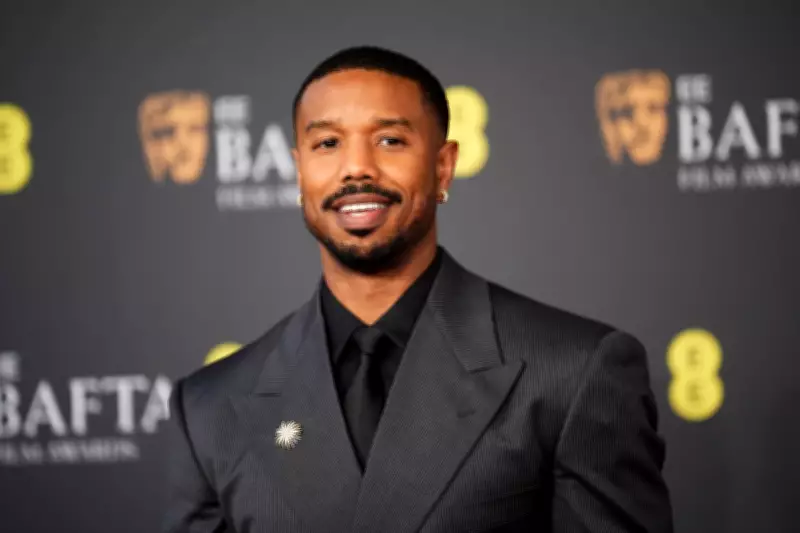
The racial insult was shouted by Tourette's campaigner John Davidson as actors Delroy Lindo and Michael B Jordan presented the award for special visual effects. The BBC subsequently issued a formal apology, acknowledging that "some viewers may have heard strong and offensive language" during the broadcast. A BBC spokesperson clarified that the language arose from involuntary verbal tics associated with Tourette syndrome and was not intentional, expressing regret for any offence caused.
During the live broadcast, presenter Alan Cumming addressed the situation directly, explaining to viewers: "You may have heard some strong and offensive language tonight. If you have seen the film I Swear, you will know that film is about the experience of a person with Tourette syndrome. Tourette syndrome is a disability and the tics you have heard tonight are involuntary." Cumming emphasised that individuals with the condition have no control over such language and offered an apology on behalf of the ceremony.

Charity's Detailed Response and Advocacy
Tourettes Action, the prominent charity supporting those affected by the condition, released a comprehensive statement following the incident. While expressing pride in Mr Davidson and his involvement in the film I Swear – which chronicles his life with Tourette syndrome since age 12 – the organisation addressed the negative commentary that emerged after the ceremony.
The charity spokesperson articulated: "We deeply understand that these words can cause hurt but, at the same time, it is vital that the public understands a fundamental truth about Tourette syndrome: tics are involuntary. They are not a reflection of a person's beliefs, intentions or character." The statement further explained that people with Tourette's may utter words or phrases they do not mean, endorse, or may feel profound distress about afterwards, describing these symptoms as neurological rather than intentional.
The organisation revealed it found the "backlash" to the incident deeply saddening and noted that Mr Davidson made the decision to leave the ceremony early following the occurrence. At the time of reporting, the unedited audio containing the slur remained accessible on BBC iPlayer.
Broader Context and Industry Perspectives
Ed Palmer, vice chairman of Tourettes Action, provided additional commentary during an interview with Times Radio, suggesting the BBC should have considered bleeping out the offensive language during the broadcast. Palmer described this as "one of the most acute examples of where something that is a disability can cause quite understandably huge amounts of offence to someone." He proposed that for pre-recorded content, bleeping might represent a reasonable compromise, while acknowledging such decisions must be evaluated on a case-by-case basis.
Palmer expressed particular sensitivity toward those who would have been understandably offended by the language, while maintaining awareness of the neurological reality for individuals with Tourette's. The incident has highlighted ongoing challenges in balancing disability representation with appropriate content warnings in live broadcasting environments.

Medical Background and Ceremony Highlights
According to NHS guidelines, Tourette syndrome is a condition causing people to make sudden, repetitive sounds or movements. In rare instances, this can result in offensive language being used involuntarily. While there is no cure for the condition, various treatments exist to help manage tics. The charity's response emphasised that such symptoms represent something John Davidson – and many others with Tourette's – lives with daily.
The 2026 Bafta ceremony featured several notable achievements beyond this incident. Robert Aramayo won best actor for his performance in I Swear, with the film also securing best casting honours. Aramayo was additionally named EE Rising Star. Meanwhile, Sinners director Ryan Coogler became the first black winner of the Bafta for best original screenplay, with the film also earning best supporting actress for Wunmi Mosaku and original score recognition.
John Davidson, who was made an MBE in 2019 for his efforts to increase understanding of Tourette Syndrome and support affected families, has been at the forefront of advocacy work. Bafta, Tourette Scotland, and the actors involved have been contacted for further comment regarding the broadcast incident and its implications for future ceremonies.