UK's Decision to Cut Polio Funding Puts Global Eradication at Risk
The United Kingdom's recent move to entirely withdraw funding from the Global Polio Eradication Initiative (GPEI) represents a perilous step backward in the fight against a disease that has plagued humanity for generations. This decision, announced just as a case of polio was detected in London's wastewater, sends a damaging signal about the UK's commitment to international health solidarity and its leadership role on the global stage.
The Fragile State of Polio Eradication
Polio, a highly contagious viral disease, spreads effortlessly across national borders, often moving undetected through communities and continents. A lapse in vaccination coverage, a delay in surveillance, or a disruption to health systems can allow the virus to regain a foothold, leading to rapid transmission, particularly in under-immunised populations. This makes polio not merely a local concern but an international crisis demanding sustained global coordination and unwavering solidarity.
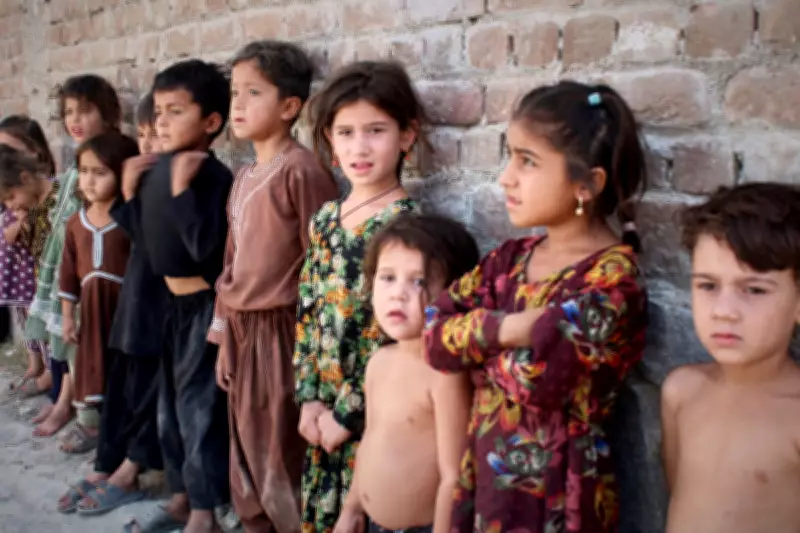
Currently, the world is in what experts describe as the "endgame" of polio eradication. After decades of coordinated international aid efforts, cases have plummeted by approximately 99 per cent. This monumental achievement is the result of hundreds of millions of children being vaccinated annually, often by the most fragile and under-resourced healthcare systems globally. However, this final stretch is also the most vulnerable. As case numbers dwindle, the systems designed to detect and respond to outbreaks may falter or be scaled back, while memories of the disease's impact fade, allowing complacency to creep in. It is precisely at this critical juncture, when success feels within reach, that the risk of a devastating setback is greatest.

Consequences of the UK's Funding Withdrawal
The UK has historically been one of the largest government supporters of the GPEI, alongside the United States and other G7 nations. The initiative already faces a significant funding shortfall, with an estimated $400 million gap threatening to derail eradication efforts. By cutting its contribution, the UK not only fails to help close this gap but risks widening it, creating a severe setback for global polio eradication. This action undermines the value placed on health security for all and jeopardises the UK's reputation as a leader in international health initiatives.
For the UK itself, this decision has direct and alarming consequences. As long as polio persists anywhere in the world, reintroduction remains a tangible threat domestically. A polio incident in London in 2022 demonstrated this reality, with the virus spreading among under-immunised communities and necessitating a costly, resource-intensive response involving enhanced surveillance and targeted vaccination campaigns. Reducing support for global eradication increases the likelihood of ongoing circulation and outbreaks abroad, providing more opportunities for the virus to reach the UK, especially in populations with lower vaccination uptake. Thus, cutting funding to polio and other international health priorities, such as pandemic preparedness and healthcare systems in low-income nations, does not save money in the long term; it merely shifts the burden and accumulates the risk of expensive domestic responses.
A Call for Renewed Commitment
The reappearance of polio should serve as a stark wake-up call, reminding us that progress is fragile, diseases can resurge, and our health security is deeply interconnected with that of the rest of the world. The finish line for eradicating polio is in sight, but reaching it demands renewed commitment, not retreat. The UK must reconsider its stance to protect both global health and its own citizens from preventable outbreaks.
Timothy Hallett is professor of global health in the School of Public Health at Imperial College London. This article has been produced as part of The Independent's Rethinking Global Aid project.