The UK Health Security Agency has issued a stark public health alert following confirmation of 96 new cases of measles, a highly infectious Victorian-era illness, across England. These laboratory-confirmed infections were documented over a period of less than five weeks, spanning from January to early February, highlighting a concerning resurgence of the disease.
Measles Symptoms and Urgent Medical Advice
Measles is an extremely contagious viral infection, with epidemiological data indicating that a single infected individual can transmit the virus to approximately 15 other people who are not vaccinated. The illness typically begins with symptoms that mimic a common cold, including fever, nasal congestion, coughing, sneezing, and red, sore, watery eyes.
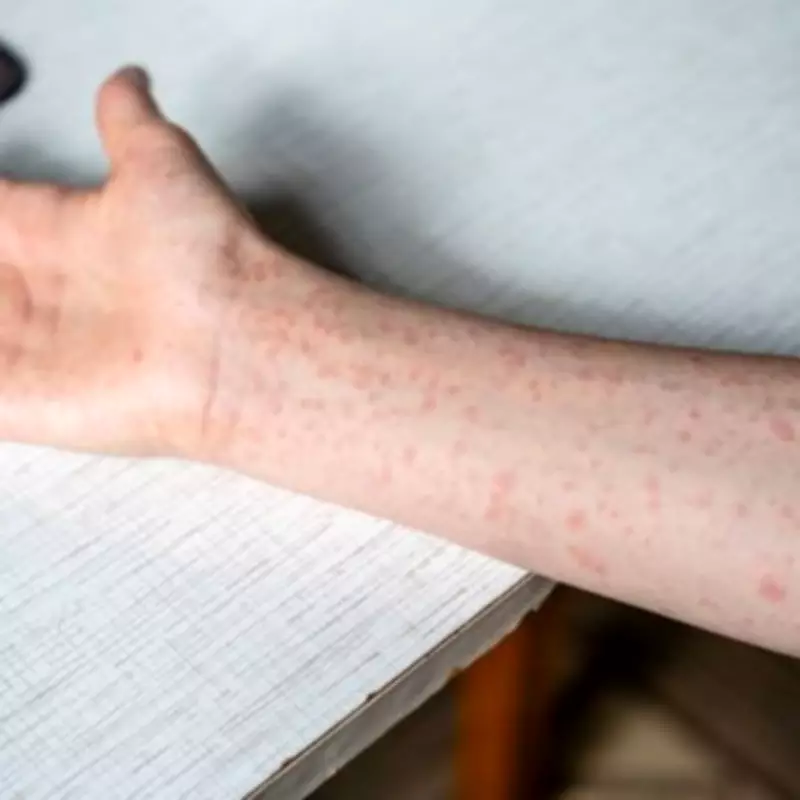
Recognizing the Measles Rash
After several days, a distinctive rash usually develops. This rash often starts on the face and behind the ears before spreading across the entire body. The appearance can vary significantly depending on skin tone.

- On white skin, the rash typically presents as brown or red blotchy patches.
- On darker skin tones, the rash may be more subtle and harder to identify visually.
- The spots are not usually itchy and can merge to form larger, raised areas.
- Small white spots, known as Koplik's spots, may also appear inside the mouth.
The UKHSA emphasized on social media platform X that anyone suspecting they or their child has measles should contact their GP practice urgently or call NHS 111 immediately.
When to Seek Immediate Medical Attention
NHS guidance provides clear indicators for when individuals should seek urgent medical advice regarding potential measles infection.
- If you suspect you or your child may have measles based on symptoms.
- If your child is under one year old and has been in contact with someone diagnosed with measles.
- If you are pregnant or have a weakened immune system and have been near someone with measles.
- If a high temperature persists despite taking paracetamol or ibuprofen.
- If breathing difficulties develop, including unusual breathlessness.
- If a baby or young child shows reduced feeding or fluid intake.
- If urination frequency decreases significantly (or fewer wet nappies in babies).
- If you feel extremely unwell or concerned that something is seriously wrong.
Prevention and Isolation Protocols
The MMR vaccine provides robust protection against measles. Individuals who have received both recommended doses of the vaccine or have previously contracted measles are considered to have extremely low risk of infection.
For those diagnosed with measles, strict isolation measures are essential to prevent further transmission. Affected individuals must refrain from attending work, school, or nursery for at least four days from when the rash first appears. They should also avoid close contact with vulnerable groups, including babies, pregnant individuals, and anyone with compromised immune systems.
This recent cluster of nearly 100 cases serves as a critical reminder of the importance of vaccination and early symptom recognition in controlling the spread of this historic but dangerous disease.