The Vagus Nerve: Separating Wellness Hype from Medical Reality
The vagus nerve, a crucial component of our autonomic nervous system, has quietly regulated bodily functions for millennia. Recently, it has surged into the wellness spotlight, often touted as a pathway to calm the body, reset the nervous system, or treat various conditions. As research into this nerve advances in clinical settings, it is essential to clarify its actual functions, the current scientific understanding, and where popular claims may outpace evidence.
Understanding the Vagus Nerve's Role
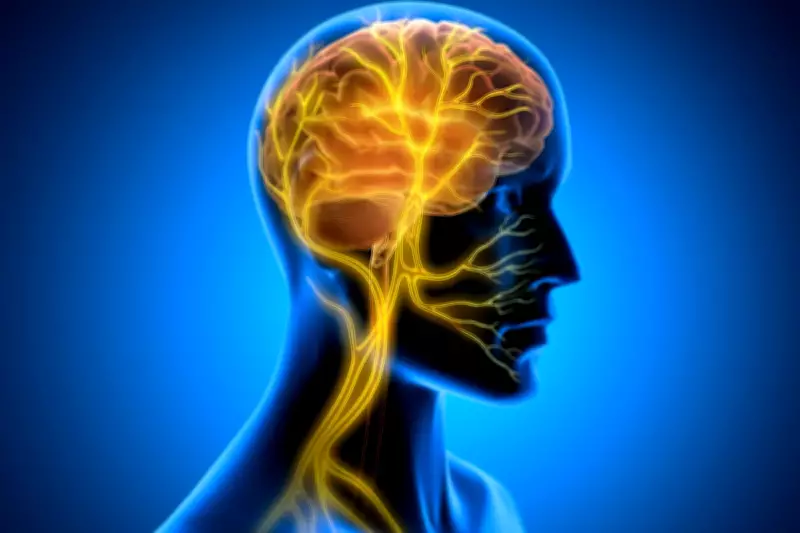
Emerging directly from the brain as one of twelve cranial nerves, the vagus nerve is the longest, extending from the brainstem through the neck into the chest and abdomen. It connects to vital organs including the heart, lungs, gastrointestinal tract, and liver. Although invisible and imperceptible, it plays a pivotal role in regulating heartbeat, digestion, and other involuntary processes.
Its name, derived from the Latin for "wanderer," reflects its extensive pathway through the body. Crucially, approximately 80% of its fibres are sensory, transmitting information from the body back to the brain, acting as an internal monitoring system. Only about 20% send signals from the brain to organs, meaning the vagus nerve primarily informs the brain about internal states like heart rate and inflammation.

The Autonomic Nervous System and "Rest and Digest"
As a major part of the autonomic nervous system, the vagus nerve controls functions we do not consciously regulate. This system has two main branches: the sympathetic nervous system, which triggers the fight-or-flight response by increasing heart rate and blood pressure, and the parasympathetic nervous system, which promotes relaxation by slowing the heart and aiding digestion. The vagus nerve is the primary nerve of the parasympathetic system, often associated with "rest and digest" functions.
This connection explains why the vagus nerve is linked to stress regulation and relaxation, though popular culture often oversimplifies this relationship. Techniques such as slow breathing, humming, singing, or splashing cold water on the face are promoted online as vagus nerve stimulators. However, these activities do not directly switch the nerve on or off; instead, they may indirectly influence vagal activity by signalling safety to the body.
For example, slow breathing with prolonged exhalation can reduce heart rate and induce calmness, potentially noticeable through a slowed pulse or general settling. Yet, evidence on how reliably these techniques affect vagus nerve activity remains limited, and responses vary significantly among individuals.
Medical Applications of Vagus Nerve Stimulation
In clinical medicine, vagus nerve stimulation has been utilised for decades, primarily through two approaches. Invasive stimulation involves surgically implanting a pacemaker-like device in the chest, with wires wrapped around the vagus nerve in the neck to deliver electrical impulses. Approved in the US for drug-resistant epilepsy and depression, this method is less common in the UK due to its surgical requirements, ongoing care needs, and high costs.
Non-invasive vagus nerve stimulation, a focus of current research, targets a small branch of the nerve that supplies the outer ear. By placing electrodes on specific ear areas, researchers can stimulate this branch electrically without surgery. Brain imaging studies suggest this produces activity patterns similar to invasive devices, indicating influence on similar neural systems, though it is not always confirmed that only the vagus nerve is involved.
Medical devices for vagus nerve stimulation must meet stringent safety and evidence standards, demonstrating clinical benefits in trials and undergoing post-approval monitoring. In contrast, consumer wellness devices are not held to the same rigorous criteria, often sold without robust evidence of stimulating the vagus nerve or improving health outcomes. While not necessarily harmful, claims about their effects should be approached with caution.

Promising Research in Stroke Recovery
One of the most promising research areas is stroke rehabilitation, where many patients experience arm weakness affecting independence long-term. Ongoing studies investigate whether non-invasive vagus nerve stimulation, paired with physical rehabilitation, can enhance arm function post-stroke by boosting neuroplasticity—the brain's ability to reorganise and form new connections, allowing healthy areas to compensate for lost functions.
This is being tested in large clinical trials using double-blind methods, where neither participants nor researchers know who receives active stimulation until the study concludes, reducing bias. Positive results could revolutionise stroke rehabilitation approaches.
Variability and Cautions
Vagus nerve stimulation does not yield uniform results; some individuals experience headaches or worsened migraines, while a small minority report mood changes. For instance, in personal cases, stimulation can induce low mood, a recognised but uncommon response. This variability underscores why one-size-fits-all advice on stimulating the vagus nerve can be misleading.
The vagus nerve is not a universal cure-all; most conditions involve multiple biological and psychological factors, and no single nerve can explain or resolve them all. However, it remains a vital pathway linking the brain and body. As research progresses, more targeted, properly tested therapies using vagus nerve stimulation for specific conditions are likely to emerge.
For now, the key takeaway is to maintain caution without cynicism. The vagus nerve is real and significant, and science is advancing. Yet, meaningful health benefits depend on careful research, appropriate application, and an honest appraisal of what evidence currently supports and what it does not.