While the distinctions between cat breeds may not be as pronounced or widely recognised as those among dog breeds, selecting the right feline companion involves careful consideration of their unique traits and personalities. This decision should align with your current lifestyle, yet it can often feel overwhelming. To provide guidance, veterinarian Dr Amir Anwary has compiled a list of five cat breeds he would personally never own, explaining his reasoning based on health risks and maintenance demands.
The Veterinarian's Perspective on Feline Breeds
In a video shared on TikTok with his 907,100 followers, Dr Anwary stated, "These are five cat breeds that I would not own as a veterinarian." His insights aim to inform potential cat owners about the potential challenges and expenses associated with these breeds, emphasising that his concerns extend beyond mere personality preferences to include steep veterinary bills and ethical considerations.
1. Persian Cat
"Number one is Persian. Now I've never seen the appeal of these cats personally, but a lot of people love them which is perfectly fine," Dr Anwary remarked. He elaborated that Persians are a brachycephalic breed, characterised by a "squished-in" face that frequently leads to breathing difficulties, dental issues, and excessive eye discharge. Their long, luxurious coats require daily brushing to prevent painful matting, making them a high-maintenance choice.

Additionally, Persians are prone to polycystic kidney disease, where fluid-filled cysts develop in the kidneys, potentially leading to organ failure over time. This combination of grooming needs and health vulnerabilities contributes to significant ongoing care costs.
2. Bengal Cat
"I think this is one of the most beautiful breeds that exists, and I think they have one of the most amazing, amazing energies. But they do have several health issues," Dr Anwary noted. Bengals are susceptible to cataracts and progressive retinal atrophy, which can result in blindness as they age. They also face risks of hypertrophic cardiomyopathy, a condition that thickens the heart muscles, causing lethargy, breathing problems, and ultimately congestive heart failure.
Despite their striking appearance and vibrant energy, these health concerns make Bengals a breed that may require frequent veterinary attention and substantial medical expenses.
3. Exotic Shorthair
Dr Anwary described the Exotic Shorthair as "basically like a different version of a Persian, like it's a Persian with short hair." While this breed avoids the grooming challenges associated with long coats, it inherits many of the same health issues. As a brachycephalic breed, Exotic Shorthairs are prone to dental problems, breathing difficulties, and eye conditions.
They also share the Persian's susceptibility to polycystic kidney disease and potential heart issues, meaning owners may still face considerable veterinary bills despite the reduced grooming requirements.
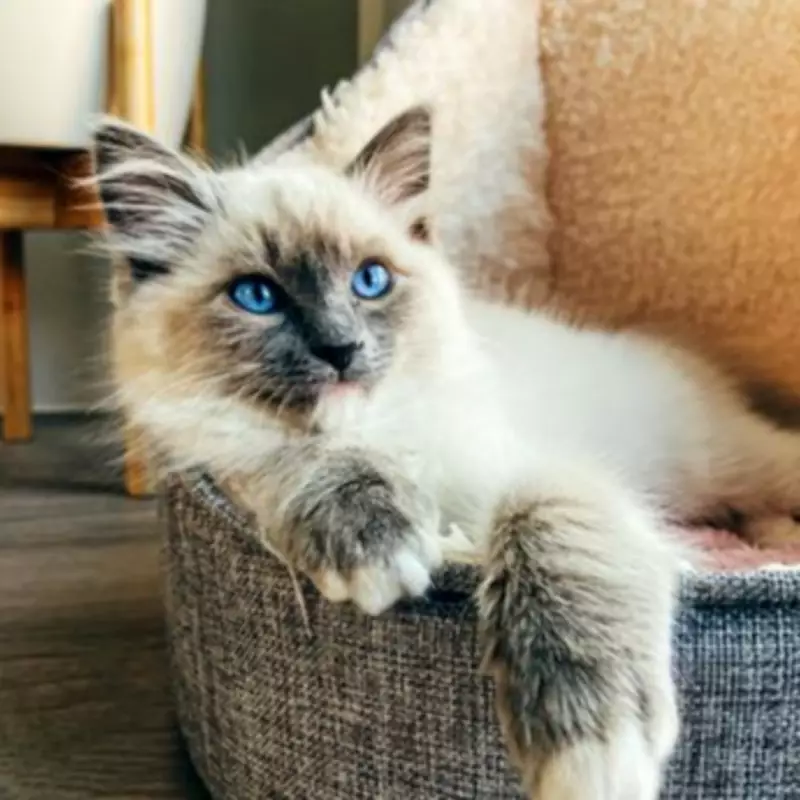
4. Ragdoll
"Next is a Ragdoll," Dr Anwary declared. "I think all around, this is one of the best cat breeds that would exist if it didn't have medical issues because it is beautiful. They have such a lovely lovely temperament, but they have so many medical issues." Ragdolls are vulnerable to polycystic kidney disease and hypertrophic cardiomyopathy, similar to other breeds on this list.
They also face risks of bladder complications and obesity, which can exacerbate other health problems. Dr Anwary warned, "There are so many medical issues associated with this breed - your vet bill is going to be huge," highlighting the financial burden that can accompany their charming nature.
5. Scottish Fold
Dr Anwary then highlighted the Scottish Fold, explaining, "Now the reason it is called a Scottish Fold is because of the way that the ears fold in. Now this happens because of a lack of cartilage due to a genetic mutation that was caused by us humans." This mutation affects not only the ears but all joints, leading to osteochondrodysplasia, a condition that causes degenerative joint disease and arthritis, resulting in chronic pain.

"And the worst part about this is that it is a dominant gene, meaning even the cats that don't necessarily have the fold will be affected by the joint pain, and the joint disease," he added. From an ethical standpoint, Dr Anwary argued that this breed should no longer be bred due to the inherent suffering caused by this genetic trait.
Conclusion: Making Informed Pet Choices
Dr Amir Anwary's list serves as a valuable resource for prospective cat owners, encouraging them to research breed-specific health issues and consider the long-term implications of their choice. By understanding these factors, individuals can make more informed decisions that prioritise animal welfare and prepare for potential veterinary expenses, ensuring a healthier and happier life for their feline companions.