Weight-Loss Drugs Trigger Fresh Blindness Warning from Health Experts
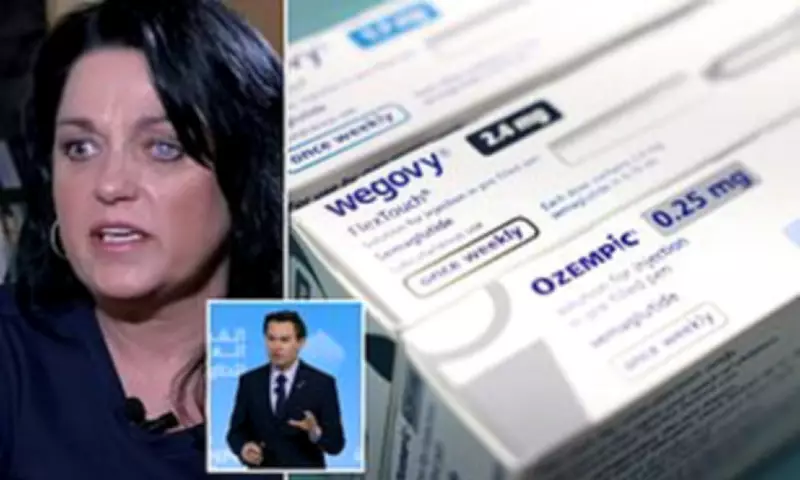
A prominent health expert has issued a stark new warning about a potentially life-altering side effect associated with popular weight-loss medications such as Ozempic and Mounjaro: sudden and sometimes permanent blindness. Multiple scientific studies have now connected these drugs to serious eye conditions that cause inflammation and obstruct blood flow to the optic nerve, resulting in severe vision impairment.
Research Links Medications to Rare Eye Condition
In 2024, these medications were first associated with a rare and irreversible eye disorder known as non-arteritic anterior ischemic optic neuropathy (NAION), which leads to permanent vision loss. Last year, researchers documented nine new cases of American patients who experienced blindness after taking semaglutide or tirzepatide, the active components in Ozempic and Mounjaro respectively. Among these patients, seven received a diagnosis of NAION.
One diabetic woman administered a single dose of semaglutide and awoke the following morning completely blind in her left eye. This alarming incident compelled her to discontinue the medication for two months, but her diabetes management necessitated resumption. Tragically, just two weeks after restarting the drug, she also lost vision in her right eye.

Another female patient, who had been using semaglutide for a year, woke up one day with a painless shadow obscuring her left eye. Medical examinations revealed damaged blood vessels in her retina, ultimately causing blindness. A separate case involved a male patient who suffered bleeding in his left eye after a year of tirzepatide use. Recent data indicates that tirzepatide has now surpassed semaglutide as the most widely used weight-loss drug in the United States.
Scientific Investigations and Regulatory Response
The researchers, publishing their findings in JAMA Ophthalmology last year, noted that the precise mechanism causing this side effect remains unclear. However, experts hypothesize that the rapid reduction of blood sugar levels induced by drugs like Ozempic may damage ocular blood vessels, leading to vision loss. Current estimates suggest approximately one in every 10,000 patients using GLP-1 medications experiences these eye complications.
Concurrently, the UK's Medicines and Healthcare products Regulatory Agency has updated product information to include warnings about the risk of NAION with semaglutide use. Initially, Novo Nordisk, the manufacturer of Ozempic and Wegovy, stated that blindness was not a recognized adverse reaction. Now, MHRA officials acknowledge the complication and urgently advise patients noticing vision changes to seek immediate medical attention.
Dr Alison Cave, MHRA's chief safety officer, emphasized: While the potential risk of NAION for patients prescribed semaglutide is extremely small, it is important that patients and healthcare professionals are alert to the associated symptoms. The agency specifically recommends that patients experiencing sudden vision impairment should attend eye casualty or A&E departments without delay.
Patient Case Studies and Recovery Patterns
In the 2025 study examining these eye complications, the average patient age was 57, with a majority (56 percent) being women. Patients hailed from various states including Utah, Minnesota, New York, West Virginia, and Ohio.

- A woman in her 50s developed NAION immediately after her first semaglutide injection, waking with painful vision loss in her left eye. Tests showed optic nerve swelling and retinal blood vessel damage. After discontinuing the medication, her vision normalized within two months.
- When she resumed semaglutide for diabetes control, vision loss recurred within two weeks, accompanied by severe optic nerve swelling. Her vision eventually returned to normal after seven months, though it remains unclear if she stopped the medication again.
- A man in his 60s experienced painless blurred vision in his right eye ten months into semaglutide treatment, with examinations revealing optic nerve swelling and retinal hemorrhage. Although symptoms initially resolved, he later lost vision in his left eye. Vision in both eyes recovered approximately ten weeks after stopping semaglutide.
- Another woman in her 30s developed swollen optic nerves and hemorrhages in both eyes three months after starting semaglutide.
Most patients with NAION observed vision improvement within days or weeks of discontinuing semaglutide, highlighting the potential reversibility when detected early.
Potential Future Treatments and Broader Context
Dr David Sinclair, a Harvard genetics professor, recently announced at Dubai's World Governments Summit that he is developing a potential anti-aging treatment that might restore vision in individuals blinded by GLP-1 weight-loss drugs. Sinclair described the condition as an eye stroke, noting that incidence rates have tripled over the past decade due to the proliferation of GLP-1 medications.
He explained: There are genes that can rejuvenate a cell back to a stem cell, back to age 0, which we use all the time now in the lab and increasingly in therapies. This shows you can rejuvenate cells, make them young again, and even regrow the tissue. This regeneration works in the damaged optic nerves in a mouse. Sinclair added that his team has successfully cured blindness in animals using this method and believes whole-body rejuvenation therapies could become feasible within about six weeks.
In the general population, NAION affects approximately 6,000 Americans annually, predominantly in patients with underlying conditions such as diabetes, high blood pressure, and sleep apnea, which can compromise vascular health. The emergence of these cases among weight-loss drug users underscores the need for vigilant monitoring and further research into ocular safety profiles.