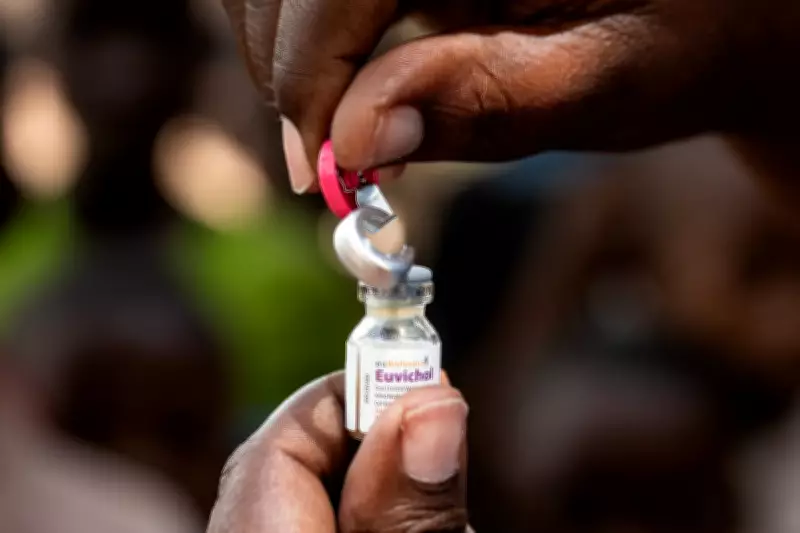
The World Health Organization has declared a significant milestone in global public health, announcing the resumption of preventive cholera vaccination programmes worldwide. This crucial initiative returns after an almost four-year suspension, a period marked by critical shortages in vaccine supplies that severely hampered international response efforts.
Ending the Reactive Cycle
In a joint statement released on Wednesday, the WHO, alongside vaccine alliance GAVI and the United Nations Children's Fund, confirmed that stocks of oral cholera vaccines within the global stockpile they manage have substantially improved. Last year saw these stocks rise to nearly 70 million doses, a notable recovery from the precarious low of 35 million doses that triggered the original halt in preventive campaigns.
Global vaccine shortages forced us into a cycle of reacting to cholera outbreaks instead of preventing them. We are now in a stronger position to break that cycle, stated WHO Director-General Tedros Adhanom Ghebreyesus, emphasising the strategic shift back to proactive immunisation.

Initial Deployment and Allocation
The organisations have confirmed that a first allocation of 20 million doses is now being deployed to high-risk nations. Mozambique is set to receive 3.6 million doses, Congo will obtain 6.1 million, and a substantial 10.3 million doses are planned for delivery to Bangladesh. These vaccines are distributed free of charge to countries in need, a vital component of the global health strategy.
For years, due to the acute shortage announced in 2022 following a surge in demand, available doses could only be utilised reactively during active outbreaks rather than in preventative campaigns. This limitation left many nations grappling with requests far exceeding the available supply, exacerbating public health challenges.
Understanding the Cholera Threat
Cholera is a severe diarrheal disease caused by waterborne bacteria, with outbreaks frequently emerging in contexts of poverty, conflict, or climate crises. The destruction of health facilities, disruption of clean water access, and flooding that spreads bacteria are common catalysts. Mozambique exemplifies this vulnerability, having been designated a priority country after devastating floods last month affected approximately 700,000 people and heightened the threat of cholera outbreaks.
The WHO has previously highlighted that while poverty and conflict remain persistent drivers of cholera globally, climate change has significantly aggravated a worldwide upsurge of the disease that began in 2021. More frequent and intense storms contribute directly to the spread, underscoring the interconnected nature of environmental and health crises.
Vaccination Strategy and Ongoing Challenges
The prolonged vaccine shortage necessitated a strategic adjustment, with the WHO recommending a one-dose vaccination protocol instead of the standard two-dose regimen. Moving forward, the one-dose strategy will remain the standard approach, though two-dose campaigns may be considered on a case-by-case basis depending on specific epidemiological assessments and resource availability.
Recent data reveals the scale of the challenge: more than 600,000 cholera cases and nearly 7,600 deaths were reported to the WHO last year. Although global cholera cases saw a decline in 2025 after rising annually since 2021, cholera-related fatalities have continued to increase, highlighting the urgent need for sustained preventive measures and robust healthcare infrastructure.
This restart of preventive vaccinations represents a pivotal step in strengthening global health resilience, aiming to protect vulnerable populations and mitigate the devastating impact of cholera outbreaks through forward-looking immunisation strategies.