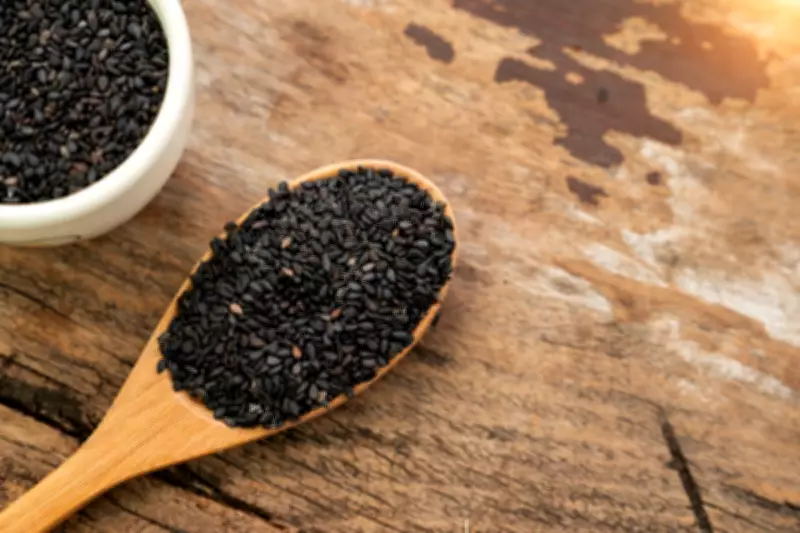
Yelp has identified black sesame as a leading food trend for 2026, based on user data analysis. Searches for terms like "black sesame matcha" have increased by nearly 150% since 2023, signalling a growing popularity in the United States. This nutty seed, long cherished in Asian desserts, is now making its mark on American menus, but what does it offer beyond its distinctive flavour and striking appearance?
The Nutritional Power of Black Sesame
Registered dietitian nutritionist Robin Foroutan, based in New York, praises sesame seeds for their concentrated nutritional value. Black sesame is particularly rich in minerals such as calcium, magnesium, phosphorus, and potassium, which are crucial for bone health, cardiovascular function, and maintaining balanced blood pressure.
A 2025 review involving 521 adults found that consuming a tablespoon of sesame products daily for eight weeks led to modest improvements in markers of heart and metabolic health, including blood sugar and cholesterol levels. However, the authors note that these effects may not always translate to significant clinical benefits, so results should be interpreted cautiously.

Caloric and Macronutrient Details
Dietitians typically recommend one to three servings of sesame per day, with a serving size being roughly one tablespoon of whole seeds. The nutritional content varies depending on the form:
- Tahini paste (available in black or white varieties) contains about 90 calories per tablespoon.
- Whole sesame seeds are less dense, with approximately 60 calories per tablespoon.
While black, brown, and white sesame seeds share similar macronutrient profiles—low in protein and carbohydrates, high in unsaturated fats—black sesame boasts higher levels of minerals, antioxidants, and fibre. For maximum mineral intake, opt for seeds with the calcium-rich hull intact, rather than the hulled kernels commonly used as toppings.
Health Benefits and Traditional Beliefs
Black sesame also provides a decent amount of zinc, essential for immune system function. Zinc helps in the production of healthy white blood cells and has antiviral properties, inhibiting viral replication to prevent overwhelming the immune system.
In traditional Chinese medicine, black sesame is viewed as a "moistening" ingredient, beneficial during cold, dry seasons. Zoey Xinyi Gong, a Brooklyn-based chef and dietitian, explains that it is believed to alleviate issues like constipation due to its healthy fats, which support skin and gut health—a concept aligned with Western nutrition principles.
Some cultural folklore suggests black sesame can reverse grey hair, but Gong clarifies this is more myth than reality. However, the seeds do contain copper, which supports proteins like collagen and melanin, though no direct studies confirm beautification effects from dietary copper.
Considerations and Precautions
While black sesame offers numerous benefits, certain individuals should exercise caution:
- Blood pressure medications: Since sesame can moderately lower blood pressure, those on such medications or blood thinners should consult a doctor before increasing intake.
- Weight management: Due to its high fat and calorie content, moderation is advised for those monitoring their weight.
- Allergies: Sesame is a common allergen in the US, affecting 17% of children with food allergies.
- Digestive issues: Some people may experience stomach pain from oxalates and phytates in sesame; soaking seeds can improve digestibility.
Phytoestrogens and Lignans
Sesame contains lignans, antioxidants that convert into weak estrogen-mimicking compounds in the gut. While observational data links higher lignan intake to a slightly reduced risk of postmenopausal breast cancer, clinical effects are not significant or consistent. Including sesame in a balanced diet is safe, but supplements with high lignan doses may pose risks for those with estrogen-sensitive conditions—consult a healthcare professional before use.

Incorporating Black Sesame into Your Diet
To maximise nutrient absorption, consider grinding black sesame into a powder. Sophie Hung, a California-based dietitian, stores ground sesame in a vacuum-sealed jar to prevent oxidation, adding it to shakes or oatmeal for flavour without extra sugar. Gong recommends using toasted seeds for enhanced taste, suggesting sprinkles on salads, yoghurt, or blending into a black sesame latte.
Black sesame is versatile, suitable for both sweet and savoury dishes, from noodles to desserts. However, it should be part of a varied diet. "It's good to eat a variety of seeds," says Foroutan, "because each type offers a unique profile of vitamins, minerals, and antioxidants."