While the classic Christmas dinner is a feast of roasted and steamed sides, a surprising health trend suggests going raw. Experts highlight that consuming certain vegetables uncooked can preserve vital nutrients often lost in cooking, offering a significant boost to your festive wellness.
The Raw Advantage: Preserving Heat-Sensitive Nutrients
Functional nutritionist Pauline Cox, author of Hungry Woman, explains that cooking can deplete essential, heat-sensitive nutrients like vitamin C. Beneficial enzymes present in raw vegetables are also frequently lost during roasting or boiling. While fresh salads are a summer staple, incorporating raw veg in winter dishes can liven up your palate and upgrade your dinner plate, according to Cox.
Nutritional therapist Maz Packham emphasises crucial food safety: "Whether you're eating vegetables raw or cooked, always wash them well before consuming to help reduce pesticide residue or harmful bacteria." Proper preparation is key to enjoying the benefits safely.

Eight Festive Vegetables to Enjoy Uncooked
From the classic sprout to the humble sweet potato, here are eight vegetables that experts say are delicious and nutritious when consumed raw.
1. Sweet Potato
Often associated with roasting or mashing, sweet potato can be eaten raw. Pauline Cox recommends grating it into a slaw. This method makes it palatable and provides a super source of beta carotene, vitamin C, and fibre.
2. Kale
While many find kale easier to digest when sautéed, registered nutritionist Jenna Hope suggests massaging raw leaves with olive oil. This technique aids digestion while preserving vitamin C. The added oil also helps absorb fat-soluble vitamins like vitamin K, abundant in kale.
3. Sugar Snap Peas
High in vitamins C and K, these pods require no shelling. Maz Packham notes that vitamin C supports collagen production, iron absorption, and immune function. They are also a good source of folate and fibre, aiding gut health. Enjoy them whole as a snack or sliced in salads.
4. Celeriac
Rich in vitamin K, celeriac may boost bone health, with higher intakes linked to lower fracture risk. After removing the tough outer peel, Pauline Cox suggests grating it or slicing it into ribbons. Its delicate flavour makes it a great, nutrient-packed salad addition.
5. Cauliflower
Bursting with vitamin C, vitamin K, and fibre, raw cauliflower makes a great dipper for guacamole. However, consultant nutritionist Rob Hobson warns that cruciferous vegetables like cauliflower contain raffinose, an indigestible fibre. This can cause gas and exacerbate symptoms for those with Irritable Bowel Syndrome (IBS).
6. Baby Corn
Harvested young, baby corn is soft enough to eat whole. Maz Packham highlights its nutritional richness, containing vitamins A and C, folate, potassium, and gut-supporting fibre. It's perfect left whole for dipping or sliced into salads.
7. Courgette
Rich in vitamins C and B6—which degrade with heat—courgette's semi-firm texture suits raw dishes. Jenna Hope recommends slicing it as a cucumber alternative in salads or serving it as crudités.
8. Brussels Sprouts
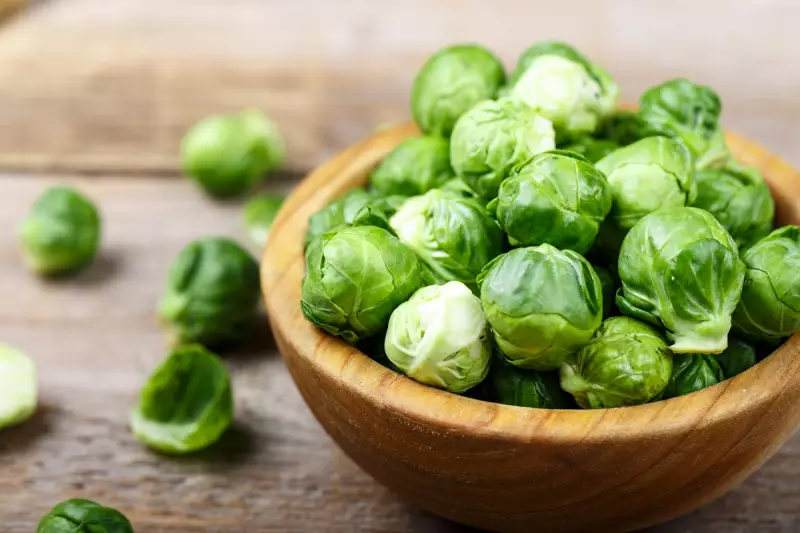
The quintessential Christmas vegetable can win over sceptics when served raw. Pauline Cox recommends thinly slicing them like shredded lettuce. Tossed with avocado oil, nuts, and grilled goat's cheese, they offer a rich source of vitamins C and K. Like cauliflower, those with IBS should be cautious, and Rob Hobson notes that raw sprouts contain glucosinolates, which can interfere with iodine absorption. People with an underactive thyroid may want to limit raw intake, as cooking lowers these compounds.
A Fresh Take on Festive Eating
Incorporating raw vegetables into your Christmas menu isn't just a culinary twist; it's a science-backed strategy for enhancing nutrient intake. By preparing these eight vegetables correctly, you can enjoy their full spectrum of vitamins, enzymes, and health benefits, adding a fresh, crunchy dimension to the festive feast.