What if you could see the invisible trail of germs crisscrossing your kitchen this Christmas? Dr Lisa Ackerley, an environmental health expert with over four decades of experience, has used special chemicals and UV light to do just that, revealing bacteria glowing on surfaces, clothes, and handles. These microbes, often deposited by raw meat, lie in wait to be picked up and cause festive food poisoning. As Christmas approaches, Dr Ackerley shares her proven strategies to ensure the only thing you catch is the holiday spirit.
Preparing Your Kitchen and Home
Dr Ackerley's first step is a pre-Christmas fridge clear-out. This ensures shelves aren't overcrowded, allowing air to circulate and maintain a safe temperature of 5c or below. She recommends moving condiments like peanut butter to a cool utility room to free up space for high-risk foods.
She also advises stocking up on paper goods. Kitchen roll is vital for cleaning and mopping up spills, as cloths can transfer bacteria even after rinsing. She uses paper towels with disinfectant on surfaces and handles before and after guests arrive. For bathrooms, she suggests ditching communal hand towels in favour of individual paper napkins or single-use flannels, as bugs like norovirus can survive on fabric for weeks.

Handling Festive Food Safely
A major piece of advice is to avoid washing your turkey, despite any trending TikTok videos. Washing poultry risks splashing Salmonella and Campylobacter onto surfaces, where they can survive for up to 48 hours and multiply. The only sure way to kill bacteria is thorough cooking. She also warns against relying on 'clear running juices' as a sign the meat is done. The only reliable method is using a food thermometer, aiming for 75c in the thickest part.
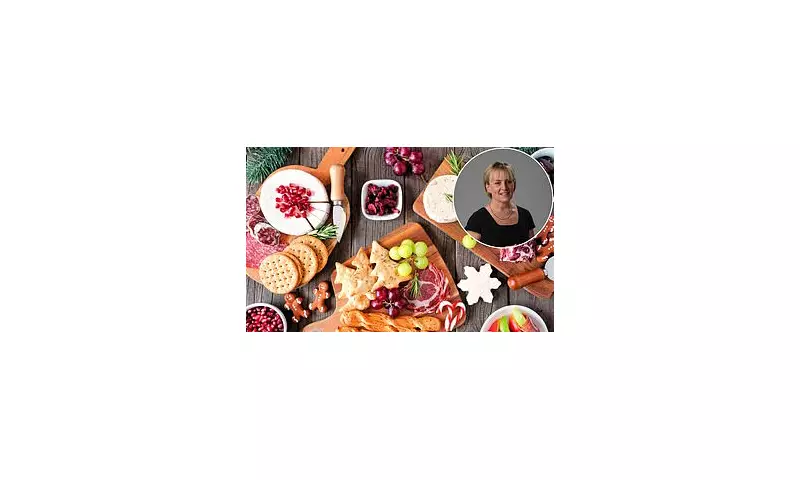
Conversely, vegetables should be washed thoroughly, as unwashed produce can be a source of E.coli. After washing veggies, clean the sink and surfaces immediately. Dr Ackerley also recommends avoiding large sharing platters like cheese boards to prevent cross-contamination, opting instead for individual servings.
Managing Guests and Leftovers
With guests comes germ spread. Dr Ackerley suggests opting for hugs over handshakes and keeping hand sanitiser near board games. She has trained herself to avoid touching her face, a direct route for germs from handles and surfaces into the body.
Cooling leftovers quickly is critical. Bacteria spores in foods like rice and meat stews can germinate as food cools, producing toxins. Spread food on a tray or cool under a cold tap, aiming to reach room temperature within 60-90 minutes before refrigerating for no more than two days. When reheating, ensure food reaches 75c throughout.
Finally, be cautious with oysters and smoked salmon. Check oysters have been stored on ice and their shells are closed, and avoid serving smoked salmon to pregnant women or those over 65 due to Listeria risk. By following these steps, you can enjoy a festive season free from unwelcome bugs.