A major two-decade study has revealed compelling new evidence about the protective effects of the Mediterranean diet against stroke in women. The research, which tracked more than 105,000 Californian women, indicates that those who followed the diet most closely experienced substantially lower risks of all forms of stroke.
Significant Reduction in Stroke Risk
The study's findings are particularly striking. Women with the highest adherence to the Mediterranean dietary pattern demonstrated an 18 per cent lower overall risk of suffering a stroke. When examining specific stroke types, the protective association was even more pronounced for certain categories.
Detailed Breakdown of Protective Effects
Researchers discovered that participants who most faithfully followed the Mediterranean diet were 16 per cent less likely to experience an ischemic stroke, which occurs when a blood clot blocks an artery to the brain. Perhaps most remarkably, these women showed a 25 per cent reduced likelihood of suffering a hemorrhagic stroke, which involves bleeding in the brain.

What Constitutes the Mediterranean Diet?
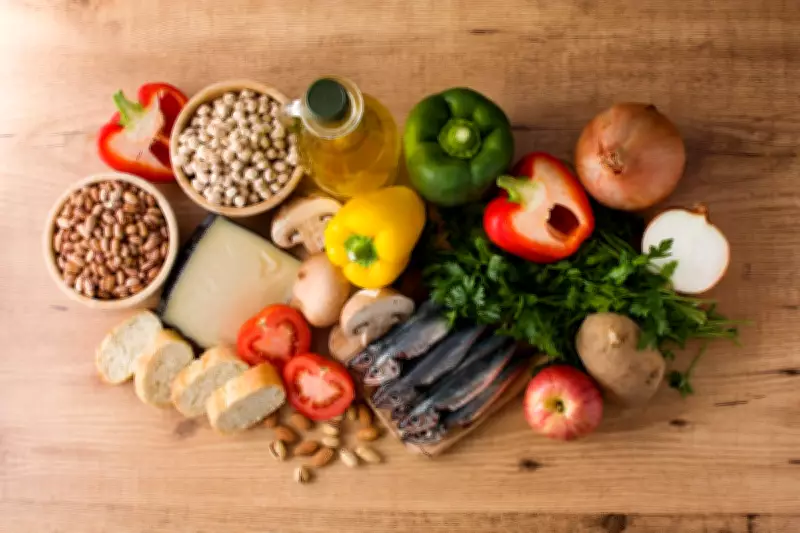
The dietary pattern examined in this research emphasises consumption of olive oil as a primary fat source, along with generous portions of nuts, seafood, whole grains, and vegetables. This eating approach has previously been associated with reduced risks of developing type 2 diabetes, high blood pressure, and elevated cholesterol levels.
Important Research Considerations
While the findings are significant, researchers have been careful to emphasise that the study demonstrates an association rather than direct causation. The observational nature of the research means that while the Mediterranean diet appears strongly linked to reduced stroke risk, further investigation is needed to establish definitive causal relationships.
Implications for Women's Health Strategies
This extensive research adds substantial weight to existing evidence supporting the Mediterranean diet as a valuable component of preventive health strategies for women. The study's duration and large participant pool lend considerable credibility to its findings, suggesting that dietary patterns may play a crucial role in stroke prevention.
The research team has highlighted the importance of continued investigation in this area, noting that understanding the mechanisms behind these protective associations could lead to more targeted dietary recommendations for stroke prevention in the future.