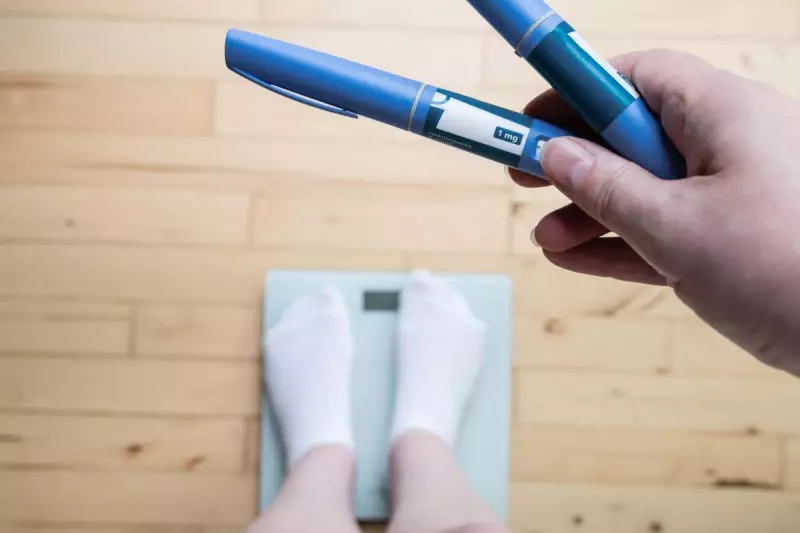
The soaring popularity of weight-loss injections like Ozempic, Wegovy and Mounjaro has brought a significant but often overlooked health concern into sharp focus: the risk of serious nutritional deficiencies. While these drugs are highly effective at suppressing appetite, experts warn that reduced food intake can jeopardise the body's supply of essential vitamins and minerals.
The Hidden Nutritional Cost of Appetite Suppression
These medications, known as GLP-1 receptor agonists, mimic a natural hormone that regulates hunger. By slowing stomach emptying and acting on the brain, they help users feel full faster and for longer, making sustained weight loss more achievable. However, this powerful effect comes with a trade-off.
Research indicates that people using these drugs reduce their energy intake by a substantial 16% to 40%. "When food intake drops, the body still needs essential vitamins, minerals and protein to keep cells, muscles and organs functioning properly," explains Rachel Woods, Senior Lecturer in Physiology at the University of Lincoln. If a smaller volume of food isn't packed with nutrients, deficiencies can quietly develop.

Emerging Evidence of Deficiencies and Long-Term Risks
Because GLP-1 drugs are a relatively new tool for weight management, long-term data is limited. However, early studies are raising red flags. One large observational study found that within six months of starting a GLP-1 drug, about 13% of patients were diagnosed with a nutritional deficiency. This figure climbed to over 22% within a year, encompassing shortages of key vitamins, minerals, and protein.
Protein deficiency is particularly alarming as it accelerates muscle loss, which can affect mobility and metabolic health. Furthermore, a survey of users revealed diets frequently low in:
- Fibre
- Calcium and iron
- Magnesium and potassium
- Vitamins A, C, D, and E
In rare but severe cases, extremely low food intake has led to medical emergencies like dehydration, ketoacidosis, and even Wernicke encephalopathy—a dangerous brain condition caused by vitamin B1 deficiency.
How to Safeguard Your Health on GLP-1 Medication
The solution lies in strategic, nutrient-dense eating. Experts stress that without guidance, it is challenging to meet nutritional needs when appetite is minimal. "Food choices need to be more deliberate," notes Woods. The goal is to maximise vitamins, minerals, fibre, and protein per calorie consumed.
Practical steps include:
- Adding seeds, nuts, or lentils to meals.
- Using nutrient-rich grains like quinoa.
- Incorporating vegetables into sauces, soups, and stews.
- Prioritising lean protein sources.
- Considering resistance exercise to protect muscle mass.
While specially marketed "nutrient-dense ready meals" are available, the same results can be achieved with mindful home cooking. Ultimately, GLP-1 drugs are powerful tools, but they shift the focus from how much we eat to how carefully we must consider what we eat to stay healthy in the long term.