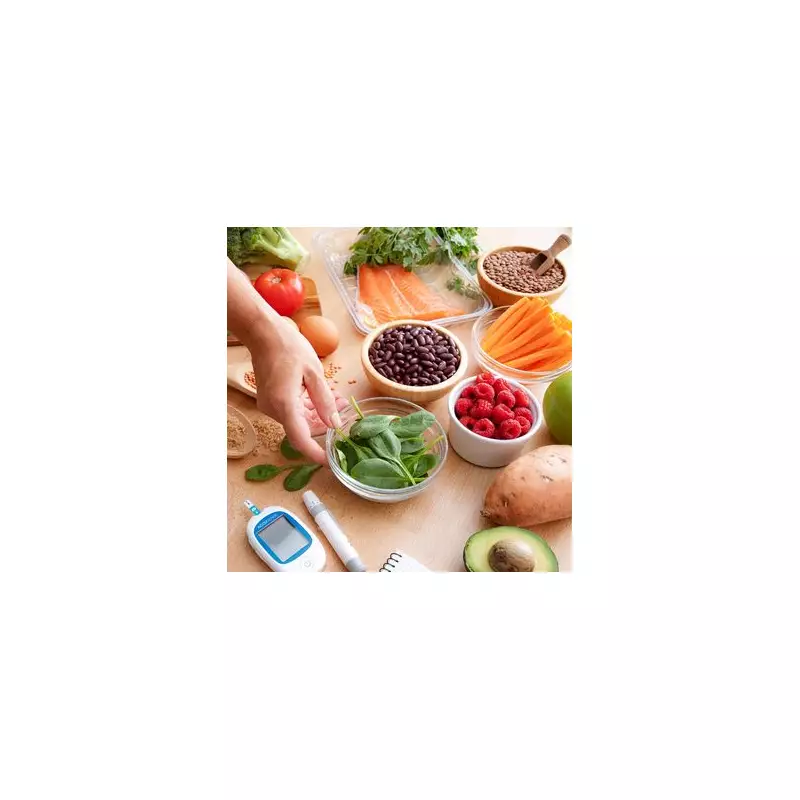
A world-renowned professor of longevity has revealed that limiting one specific food could be key to helping you 'stay young'. Dr Valter Longo, who directs the Longevity Institute at the University of Southern California, has dedicated his career to studying ageing and disease prevention.
The 'Longevity Diet': Mostly Vegan, Plus a Little Fish
While regular exercise and a nutrient-dense diet are pillars of his advice, Dr Longo emphasises a surprising restriction. He recommends adults consume just 'two or three' portions of fish per week as part of an optimal 'longevity diet'. "Eat mostly vegan, plus a little fish," he previously advised in an online blog on how to maintain youthfulness.
When you do eat fish, Dr Longo suggests selecting varieties rich in omega-3, omega-6, and vitamin B12, while being mindful of quality. Salmon, anchovies, sardines, and cod are among his recommended choices, provided they have low levels of harmful mercury.

The Hidden Risks of Overconsumption
Despite the known benefits of omega-3 'healthy fats' for brain and heart health, there are significant, often overlooked drawbacks to eating too much fish. The NHS cautions that oily fish, in particular, 'usually have higher levels of pollutants than other types of seafood'.
Mercury is a primary concern. Although the risk from typical consumption is low, high exposure to this toxic element can lead to serious health issues, including memory problems, numbness, and seizures.
The official NHS guidance states we should eat at least one 140g cooked portion of oily fish weekly for its health benefits. However, it sets maximum limits due to pollutant concerns. Girls, women planning a pregnancy, and those who are pregnant or breastfeeding should eat no more than two portions weekly, as pollutants can affect foetal development.
The Power of a Time-Restricted Eating Window
Beyond specific food choices, Dr Longo also advocates for condensing daily meals into a twelve-hour period. This practice, he believes, maximises health benefits by allowing the body time to recover and align with its natural circadian rhythms.
This view is supported by other experts like Professor Tim Spector and Dr Sarah Berry. Research indicates that eating later in the day can increase hunger levels the following morning, suggesting that when you eat is as crucial as what you eat for metabolic health and weight management.
For pregnant women, the NHS adds further specific advice: avoid raw shellfish and ensure all shellfish and smoked fish are thoroughly cooked to reduce the risk of food poisoning.